
Contents
Overview
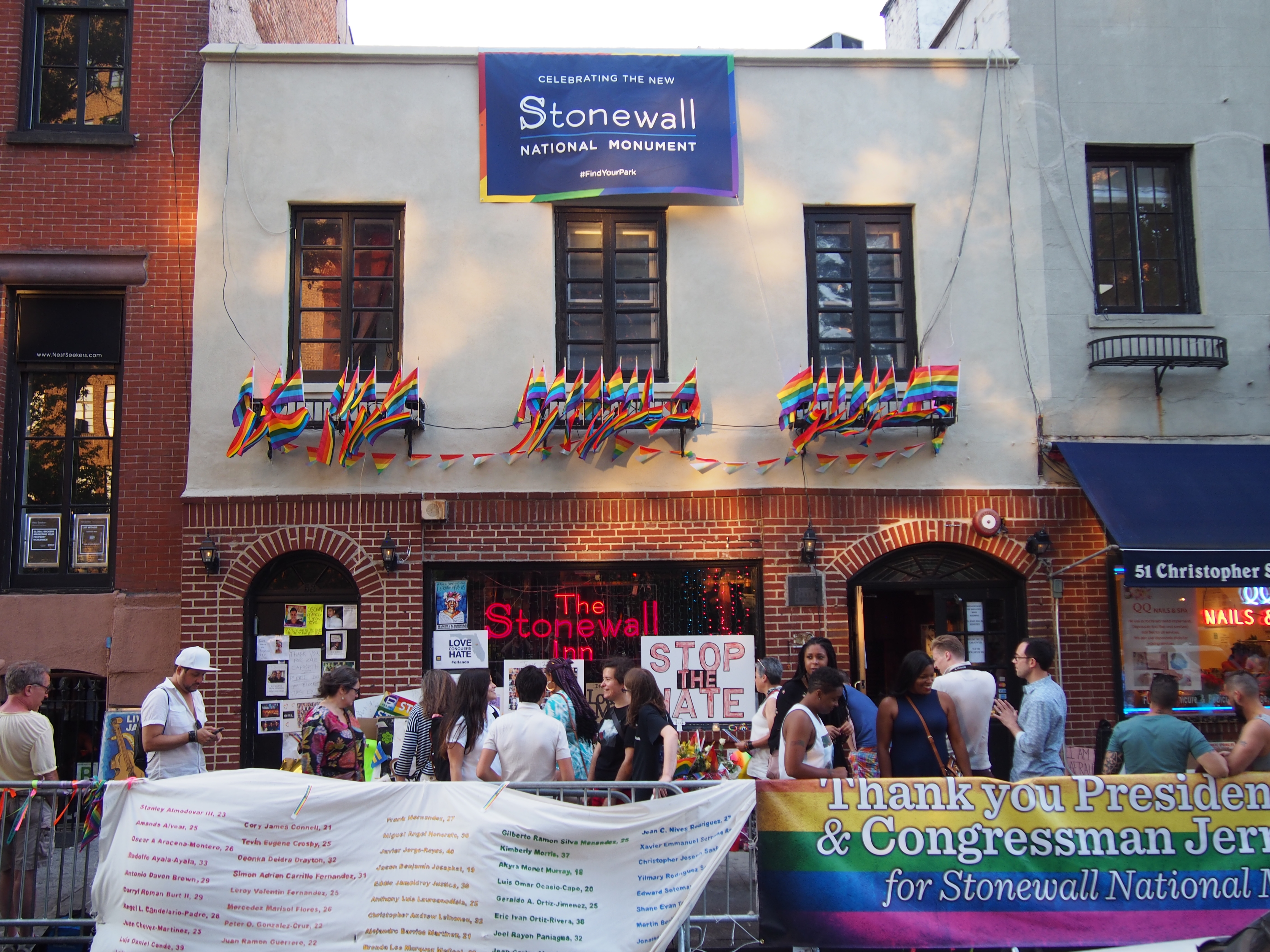
Early forms of 'gay tourism' were often tied to specific cities like San Francisco and New York City, which became havens during periods of intense social repression. The Stonewall Uprising in 1969 is a pivotal moment, not just for civil rights, but for fostering a sense of collective identity that would later fuel the desire for communal travel experiences. By the 1980s, specialized tour operators began to cater explicitly to gay and lesbian travelers, offering curated trips that prioritized safety and community. The AIDS epidemic, while devastating, also spurred a sense of solidarity and the creation of support networks that extended into travel planning. The advent of the internet in the 1990s democratized information, allowing LGBTQ+ individuals to research destinations and connect with others, further solidifying the sector.
⚙️ How It Works
LGBTQ+ travel operates on a spectrum of inclusivity, from destinations that are overtly welcoming and celebrate LGBTQ+ culture to those where travelers must exercise caution. The core mechanism involves identifying and promoting locations, accommodations, and services that offer a safe and affirming environment. This includes businesses that explicitly market to LGBTQ+ individuals, such as gay bars, resorts, and tour operators, as well as mainstream establishments that have demonstrated a commitment to diversity and inclusion. Key considerations for LGBTQ+ travelers include legal protections, social attitudes towards LGBTQ+ people, the presence of a visible LGBTQ+ community, and access to relevant resources. Travel agencies and online platforms play a crucial role in aggregating this information, providing guides, safety ratings, and booking options tailored to the community's needs.
📊 Key Facts & Numbers
The global LGBTQ+ travel market is a significant economic force, estimated to be worth over $200 billion annually, with projections indicating continued growth. A 2019 report by OutLeadership suggested that LGBTQ+ consumers spend approximately $90 billion on travel annually in the United States alone. Studies by IAGT (International Association of Gay Travel Professionals) indicate that LGBTQ+ travelers often spend more per trip than their heterosexual counterparts, with an average trip expenditure of around $5,000. Furthermore, research from Phocuswright has shown that a substantial majority of LGBTQ+ travelers (over 80%) actively seek out destinations that are known for their LGBTQ+ friendliness. The market is also characterized by a high repeat visitation rate, with many travelers returning to favored destinations or seeking new experiences within the community.
👥 Key People & Organizations
Key figures and organizations have been instrumental in shaping LGBTQ+ travel. Joan Jensen and Donna Jensen, founders of Q-Travel, were pioneers in the early days of gay travel agencies. Philippe Chavanne and Bruno Gouten established Altways in 1991, one of the first major gay tour operators. Organizations like the International Association of Gay Travel Professionals (IAGT) advocate for LGBTQ+ inclusion within the broader travel industry, providing training and resources. OutLeadership focuses on the business case for LGBTQ+ equality in global business, including travel. Major tourism boards, such as those in Barcelona, Tel Aviv, and Montreal, have actively invested in marketing campaigns targeting LGBTQ+ travelers, recognizing their economic impact.
🌍 Cultural Impact & Influence
LGBTQ+ travel has profoundly influenced the global tourism landscape, pushing for greater inclusivity and diversity. It has elevated the importance of safety and acceptance as key travel criteria, prompting destinations worldwide to re-evaluate their policies and public image. The visibility of LGBTQ+ travelers and events, such as Pride parades in cities like Berlin and Sydney, has not only attracted visitors but also fostered greater understanding and acceptance within host communities. This sector has also spurred the development of niche tourism products, from LGBTQ+-focused historical tours to wellness retreats, demonstrating the community's diverse interests. The economic success of LGBTQ+-friendly destinations serves as a powerful incentive for other locations to adopt more inclusive practices, thereby contributing to broader social progress.
⚡ Current State & Latest Developments
The current state of LGBTQ+ travel is marked by increasing mainstream adoption and a growing demand for authentic, inclusive experiences. While traditional hotspots like Mykonos and Palm Springs remain popular, there's a discernible shift towards exploring new destinations and seeking out unique cultural immersions. The rise of social media platforms like Instagram and TikTok has amplified the reach of LGBTQ+ travel influencers, showcasing a wider array of destinations and experiences. Post-pandemic, there's a heightened emphasis on safety, wellness, and sustainable travel practices within the LGBTQ+ community. Furthermore, the ongoing global conversation around LGBTQ+ rights means that travelers are increasingly conscious of the political and social climate of their chosen destinations, making informed choices based on legal protections and societal attitudes.
🤔 Controversies & Debates
Significant controversies surround LGBTQ+ travel, primarily concerning safety and discrimination in less tolerant regions. Debates arise over whether to boycott such locations or engage through tourism to promote dialogue and understanding, a strategy championed by some but criticized by others as potentially legitimizing oppressive regimes. There's also ongoing discussion about 'pinkwashing,' where destinations or companies may superficially adopt LGBTQ+-friendly branding for marketing purposes without genuine commitment to equality. Ensuring that 'inclusive' marketing translates into tangible safety and respect for all LGBTQ+ individuals remains a persistent challenge.
🔮 Future Outlook & Predictions
The future of LGBTQ+ travel is poised for continued expansion and diversification. We can anticipate a greater number of destinations actively competing for the LGBTQ+ market, driven by its economic significance and the desire to project an image of modernity and inclusivity. Technology will play an even larger role, with AI-powered personalized recommendations and virtual reality experiences offering new ways to explore potential destinations. There will likely be a stronger focus on intergenerational travel and the specific needs of different segments within the LGBTQ+ community, such as families and older travelers. Furthermore, as global attitudes evolve, we may see a reduction in destinations posing significant safety risks, leading to a more universally welcoming travel landscape, though vigilance against backsliding on rights will remain crucial.
💡 Practical Applications
LGBTQ+ travel has direct practical applications in promoting social change and economic development. Destinations that embrace LGBTQ+ tourism often see a boost in local economies, not just from visitor spending but also from increased investment in hospitality and related services. The visibility of LGBTQ+ travelers can also foster greater local acceptance and understanding, breaking down stereotypes and promoting human rights. For individuals, LGBTQ+ travel offers opportunities for self-discovery, community building, and the chance to experience diverse cultures while feeling safe and affirmed. Travel companies can leverage LGBTQ+ market insights to develop more inclusive products and marketing strategies, enhancing their brand reputation and reaching new customer segments. Furthermore, LGBTQ+ travel resources and safety guides empower individuals to make informed decisions about where and how to travel.
Key Facts
- Category
- culture
- Type
- topic