
Contents
Overview
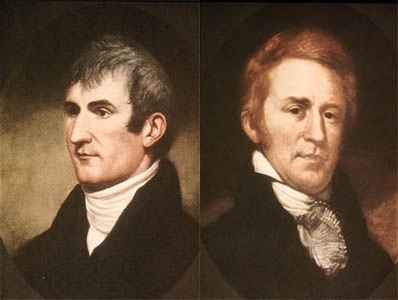
The Lewis and Clark Expedition was commissioned by President Thomas Jefferson in 1803, shortly after the Louisiana Purchase, which saw the United States acquire a vast territory from France. The expedition was led by Captain Meriwether Lewis, a skilled outdoorsman and soldier, and Second Lieutenant William Clark, a close friend and fellow explorer. The team set out from Camp Dubois, Illinois, on May 14, 1804, and met up with Lewis and ten other members of the group in St. Charles, Missouri. They then traveled up the Missouri River, mapping the terrain and encountering various Native American tribes, including the Mandan Tribe and the Shoshone Tribe.
🚣♂️ The Journey
The journey was not without its challenges, as the team faced treacherous terrain, harsh weather conditions, and encounters with hostile tribes. However, they also experienced moments of great beauty and wonder, including the discovery of the Continental Divide and the breathtaking scenery of the Columbia River. The team's interactions with Native American tribes were complex and multifaceted, with some tribes, such as the Nez Perce Tribe, providing crucial assistance and guidance. The expedition's success was also due in part to the contributions of Sacagawea, a Shoshone woman who joined the expedition and played a key role in facilitating communication with Native American tribes.
📚 Cultural Impact
The Lewis and Clark Expedition had a profound impact on American culture and history. The expedition's findings and maps helped to shape the country's understanding of its western territories and paved the way for future exploration and settlement. The expedition also marked a significant milestone in the development of American science, as the team collected valuable data on the region's geology, botany, and wildlife. The expedition's legacy can be seen in the many places and landmarks that bear their names, including the Lewis and Clark National Historic Trail and the Clark Fork River.
🏞️ Legacy & Future
Today, the Lewis and Clark Expedition remains an important part of American history and culture. The expedition's journey and findings continue to inspire new generations of explorers, scientists, and historians. The expedition's legacy can also be seen in the many museums, historic sites, and cultural institutions that commemorate their journey, including the Lewis and Clark Center and the National Parks Service. As the United States continues to evolve and grow, the Lewis and Clark Expedition remains an important reminder of the country's rich history and its ongoing quest for discovery and exploration.
Key Facts
- Year
- 1804-1806
- Origin
- United States
- Category
- history
- Type
- event
Frequently Asked Questions
What was the main goal of the Lewis and Clark Expedition?
The main goal of the expedition was to explore the western United States and find a water route to the Pacific Ocean. The team was also tasked with mapping the terrain, establishing trade with Native American tribes, and collecting scientific data on the region's geology, botany, and wildlife. The expedition was commissioned by President Thomas Jefferson and led by Captain Meriwether Lewis and Second Lieutenant William Clark.
Who were some of the key people involved in the expedition?
Some of the key people involved in the expedition included Captain Meriwether Lewis, Second Lieutenant William Clark, and Sacagawea, a Shoshone woman who played a crucial role in facilitating communication with Native American tribes. The team also encountered various Native American tribes, including the Mandan Tribe and the Shoshone Tribe.
What were some of the challenges faced by the expedition?
The expedition faced numerous challenges, including treacherous terrain, harsh weather conditions, and encounters with hostile tribes. The team also had to navigate the complexities of Native American politics and culture, which was facilitated by the help of Sacagawea and other Native American guides. Despite these challenges, the expedition was ultimately successful in achieving its goals and paved the way for future exploration and settlement of the western United States.
What was the significance of the expedition in American history?
The Lewis and Clark Expedition was a significant milestone in American history, marking the beginning of the country's westward expansion. The expedition's findings and maps helped to shape the country's understanding of its western territories and paved the way for future exploration and settlement. The expedition also marked a significant milestone in the development of American science, as the team collected valuable data on the region's geology, botany, and wildlife. The expedition's legacy can be seen in the many places and landmarks that bear their names, including the Lewis and Clark National Historic Trail.
How did the expedition impact Native American tribes?
The expedition had a complex and multifaceted impact on Native American tribes. While the team established trade and communication with some tribes, they also encountered hostility and resistance from others. The expedition's legacy is still debated among Native American communities, with some viewing it as a symbol of colonialism and others seeing it as a significant moment in the history of Native American-European relations. The expedition's interactions with Native American tribes were facilitated by the help of Sacagawea and other Native American guides, including members of the Mandan Tribe and the Shoshone Tribe.