
Contents
- ✨ What is Laser Tattoo Removal?
- 🤔 Who is Laser Tattoo Removal For?
- 📍 How Does it Actually Work?
- ⏱️ What to Expect: The Process & Timeline
- 💰 Pricing & Plans: Understanding the Investment
- ⚠️ Risks, Side Effects, and What to Watch For
- ⭐ What People Say: Real Experiences & Ratings
- ⚖️ Laser Tattoo Removal vs. Other Methods
- 💡 Tips for a Successful Removal Journey
- 📞 How to Get Started
- Frequently Asked Questions
- Related Topics
Overview
Laser tattoo removal has emerged as the most effective method for erasing unwanted tattoos, utilizing specific wavelengths of light to break down ink particles in the skin. The procedure, which gained traction in the 1990s with the advent of Q-switched lasers, has evolved significantly, with newer technologies like picosecond lasers offering faster and less painful treatments. However, the process is not without its controversies, including debates over efficacy, skin damage, and the psychological impacts of tattoo regret. As societal perceptions of tattoos shift, the demand for removal services continues to rise, prompting a closer look at the implications for both individuals and the tattoo industry as a whole.
✨ What is Laser Tattoo Removal?
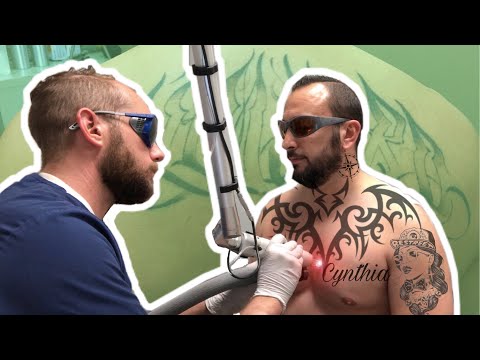
Laser tattoo removal is a medical procedure designed to break down tattoo ink pigments in the skin using focused laser light. Unlike older, more invasive methods, lasers target specific colors of ink, shattering them into smaller particles that the body's immune system can then clear away. This technology has evolved significantly since its inception in the late 1960s, moving from crude Q-switched lasers to more advanced picosecond and nanosecond devices that offer greater efficacy and fewer side effects. The goal is to fade or completely remove unwanted tattoos, offering a second chance for those who regret their body art.
🤔 Who is Laser Tattoo Removal For?
This treatment is ideal for individuals who have tattoos they no longer wish to display, whether due to changing personal tastes, professional reasons, or simply dissatisfaction with the original artwork. It's a viable option for most skin types, though effectiveness can vary based on ink color, depth, and the individual's immune response. Candidates should be in good general health and have realistic expectations about the number of sessions required and the potential for complete removal. It's particularly relevant for those who got inked during youth culture phases and now seek a cleaner aesthetic.
📍 How Does it Actually Work?
The magic behind tattoo removal lasers lies in their ability to emit short, powerful pulses of light. Different wavelengths of light are absorbed by different colors of ink. For instance, a 1064 nm wavelength is effective for black ink, while a 532 nm wavelength targets red and orange hues. The laser's energy heats the ink particles, causing them to fragment. This process is repeated over multiple sessions, with each session progressively breaking down the ink further. The body's lymphatic system then acts as the cleanup crew, gradually removing the fragmented ink particles from the dermis.
⏱️ What to Expect: The Process & Timeline
The removal process is not instantaneous; it's a journey. Each session typically lasts between 10 to 30 minutes, depending on the tattoo's size and complexity. After a session, the treated area may be red, swollen, and slightly bruised, often forming scabs. It's crucial to follow post-treatment care instructions diligently. Sessions are spaced 6-8 weeks apart to allow the skin to heal and the body to clear the ink. Complete removal can take anywhere from 5 to 15 sessions, sometimes more, influenced by factors like the tattoo's age and the type of ink used by the original tattoo artist.
💰 Pricing & Plans: Understanding the Investment
The cost of laser tattoo removal varies significantly based on the tattoo's size, color, age, and the clinic's location and expertise. Prices are typically charged per session, with smaller tattoos potentially costing $50-$150 per session, while larger, more complex pieces can range from $200-$500 or more. Many clinics offer package deals for multiple sessions, which can reduce the overall cost. It's essential to factor in the total number of sessions needed, which can range from 5 to 15 or even more, making it a substantial financial commitment.
⚠️ Risks, Side Effects, and What to Watch For
While generally safe, laser tattoo removal carries potential risks and side effects. These can include temporary skin discoloration (hyperpigmentation or hypopigmentation), blistering, scarring, and infection if aftercare is not followed. Allergic reactions to ink particles breaking down are also possible, though rare. Choosing a qualified and experienced practitioner is paramount to minimizing these risks. A thorough consultation should address your specific skin type and tattoo characteristics to set realistic expectations about potential outcomes and side effects.
⭐ What People Say: Real Experiences & Ratings
Patient reviews and ratings for laser tattoo removal clinics are a valuable resource. Look for clinics with high average ratings (typically 4.5 stars and above) on platforms like Google Reviews, Yelp, and specialized medical review sites. Common positive feedback highlights effective ink removal, minimal pain (often managed with cooling devices or topical anesthetics), and professional, knowledgeable staff. Negative reviews often cite insufficient results after multiple sessions, excessive pain, or unexpected side effects like scarring. patient testimonials can offer candid insights into the experience.
⚖️ Laser Tattoo Removal vs. Other Methods
Compared to surgical excision, which removes the tattooed skin surgically, laser removal is non-invasive and generally results in less scarring. Dermabrasion, another older method, involves sanding down the skin layers and is often more painful and prone to scarring than laser treatment. While these alternatives exist, laser technology, particularly with advancements like picosecond lasers, offers the most precise and effective method for breaking down ink with the lowest risk of significant scarring and downtime, making it the preferred choice for most.
💡 Tips for a Successful Removal Journey
To ensure the best results and minimize complications, follow these practical tips. Before your first session, avoid sun exposure on the tattooed area for at least 4-6 weeks. Do not pick at or scratch the tattoo. After each session, keep the area clean and dry, avoid harsh soaps, and apply any recommended ointments or bandages. Stay hydrated and maintain a healthy lifestyle, as this supports your immune system's ability to clear the ink. Inform your practitioner about any new medications or health changes.
📞 How to Get Started
Ready to explore your options? The first step is to schedule a consultation with a reputable laser tattoo removal clinic. During this appointment, a specialist will assess your tattoo, discuss your medical history, explain the procedure in detail, and provide a personalized treatment plan and cost estimate. Don't hesitate to ask questions about the technology they use, the practitioner's qualifications, and their experience with similar tattoos. Many clinics offer free initial consultations, making it easy to get informed.
Key Facts
- Year
- 2023
- Origin
- 1990s
- Category
- Health & Wellness
- Type
- Procedure
Frequently Asked Questions
Does laser tattoo removal hurt?
Most people describe the sensation as similar to a rubber band snapping against the skin, or a hot pinprick. The intensity of the pain depends on the tattoo's location, size, and your individual pain tolerance. Clinics often use Zimmer cooling systems or topical numbing creams to significantly reduce discomfort during the procedure. It's generally considered manageable, especially when compared to the initial pain of getting a tattoo.
Can all tattoo colors be removed?
While modern lasers are highly effective, certain colors are more challenging to remove than others. Black ink is the easiest to treat because it absorbs all laser wavelengths. Lighter colors like yellow, green, and light blue can be more stubborn and may require specific laser wavelengths or more sessions. White ink can also be difficult, sometimes turning a darker color before fading. A consultation will help determine the feasibility for your specific ink colors.
How long does it take to see results?
You'll typically start seeing fading after the first few sessions. However, significant results, where the tattoo is substantially lighter or gone, take multiple treatments spaced weeks apart. The body needs time to process and eliminate the fragmented ink particles between sessions. Patience is key; the complete removal process can span several months to over a year, depending on the tattoo's characteristics and your body's response.
What is the difference between Q-switched and picosecond lasers?
Q-switched lasers deliver energy in nanoseconds, while picosecond lasers deliver energy in picoseconds (one trillionth of a second). Picosecond lasers are newer and deliver energy faster and in shorter pulses, which can shatter ink particles into even smaller fragments. This often leads to more effective removal, fewer treatment sessions, and a reduced risk of side effects like scarring compared to Q-switched lasers.
Can I get a new tattoo over the removed area?
Once the tattoo is completely removed and the skin has fully healed, it is generally safe to get a new tattoo. However, the skin in the treated area might be slightly more sensitive. It's advisable to wait at least a few months after your final removal session to ensure complete skin recovery. Discuss this possibility with your laser removal specialist and your future tattoo artist.
Are there any long-term side effects?
The most common long-term effects are subtle changes in skin texture or pigmentation in the treated area. While rare, significant scarring can occur if the procedure is performed improperly or if aftercare instructions are not followed. Most patients experience minimal to no lasting side effects, especially when treated by experienced professionals using advanced laser technology. A thorough consultation should cover potential long-term outcomes.