
Contents
Overview
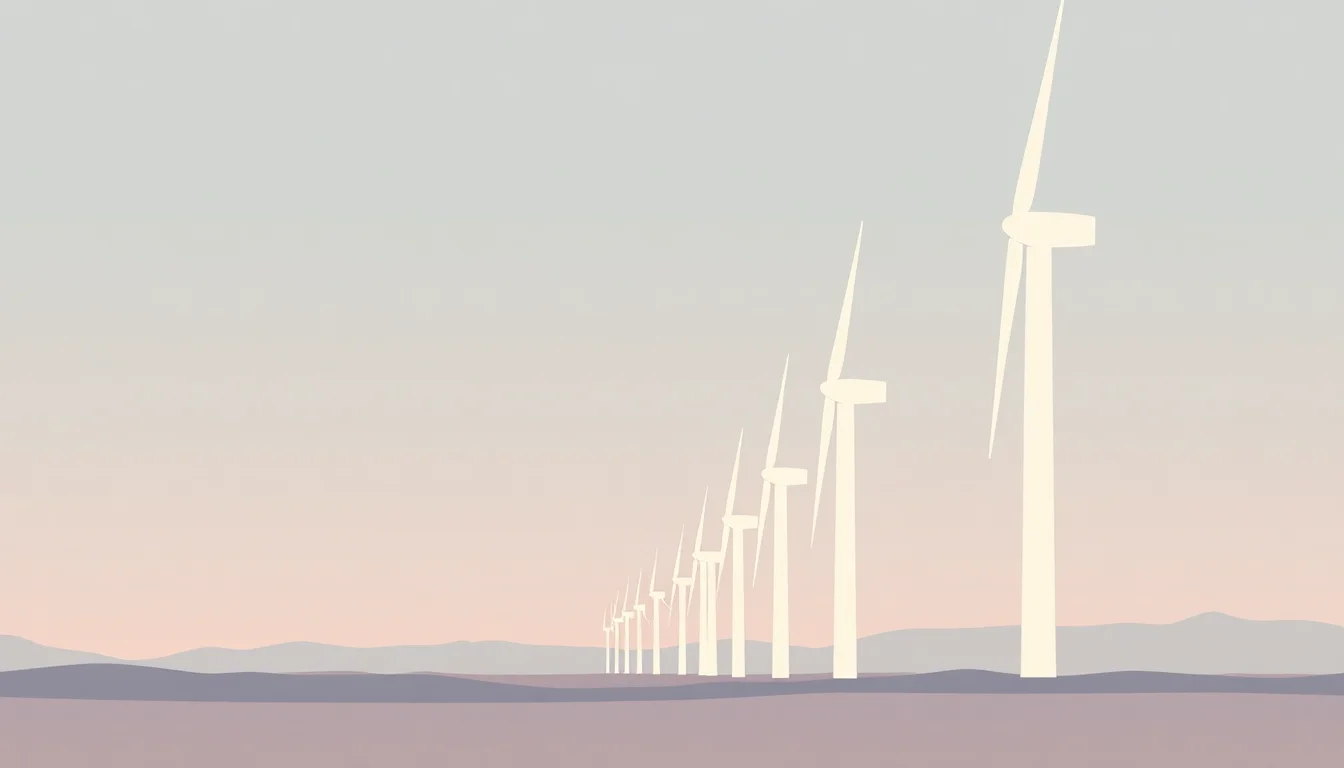
Larger turbines, particularly in the wind energy sector, represent a dramatic escalation in power generation capacity, with individual units now exceeding 15 megawatts (MW). These behemoths, often exceeding 250 meters in rotor diameter, are not mere incremental improvements; they are fundamental shifts in how we harness renewable resources. Their increased scale promises greater energy output per turbine, reducing the number of installations needed and potentially lowering the levelized cost of energy (LCOE). However, this growth also introduces significant logistical, engineering, and environmental challenges, from manufacturing and transportation to grid integration and wildlife impact. Understanding the trajectory of larger turbines is crucial for grasping the future of global energy production and the economic and ecological trade-offs involved.
🏗️ What Are Larger Turbines?
Larger turbines, often exceeding 100 meters in rotor diameter and with hub heights rivaling skyscrapers, are the workhorses of modern renewable energy generation. These aren't your backyard wind machines; we're talking about industrial-scale powerhouses designed to capture vast amounts of kinetic energy from wind and convert it into electricity. Primarily, this refers to wind turbines of the multi-megawatt class, crucial for utility-scale projects and grid stability. They are engineered for longevity and maximum output, forming the backbone of many national and international clean energy targets.
🌍 Where to Find Them
You'll find these giants dominating the horizons of large onshore wind farms and increasingly, the offshore waters. Major installations are concentrated in regions with consistent, strong winds, such as the North Sea for offshore projects (e.g., Dogger Bank), the plains of Texas and Oklahoma in the US, and the vast steppes of China. Access to these sites is typically restricted to authorized personnel due to safety and operational requirements, though many projects offer visitor centers or viewing platforms for the public interested in witnessing their scale.
⚡ Performance & Scale
The sheer scale of larger turbines translates directly into immense power generation capabilities. A single modern offshore wind turbine can have a capacity of 10-15 megawatts (MW) or even more, with the latest models pushing towards 20 MW. For context, a 10 MW turbine can power approximately 10,000 average homes. Their efficiency is optimized through advanced aerodynamics and control systems, allowing them to harness wind energy even at lower speeds, though their peak performance is achieved in optimal wind conditions.
💰 Cost & Investment
The investment in larger turbines is substantial, reflecting their advanced engineering and manufacturing complexity. The cost of a single large turbine can range from $10 million to over $20 million, depending on size, technology, and installation location (offshore is significantly more expensive). This capital expenditure is offset by their long operational lifespans, typically 20-25 years, and the significant electricity output they provide over that period, contributing to the economics of renewable energy.
🤔 The Big Debates
The deployment of larger turbines is not without its controversies. Key debates revolve around their visual impact on landscapes, potential harm to avian wildlife and bats, and the noise generated. Furthermore, the sheer size and weight of components pose significant logistical challenges for manufacturing, transportation, and installation. The ongoing discussion centers on balancing the urgent need for decarbonization with local environmental and community concerns.
💡 Technical Specs & Innovations
Technological advancements are constantly pushing the boundaries of larger turbine design. Innovations include the development of longer, lighter, and more durable composite materials for blades, advanced gearbox and generator technologies for increased efficiency and reliability, and sophisticated predictive maintenance systems using AI. The trend is towards larger rotor diameters and higher hub heights to access stronger, more consistent winds, and modular designs for easier maintenance and component replacement.
⚖️ Environmental Impact & Mitigation
While larger turbines are a cornerstone of sustainable energy, their environmental footprint requires careful management. Concerns include the impact on bird and bat populations, requiring mitigation strategies like curtailment during peak migration periods or specialized lighting. Offshore installations also raise questions about marine ecosystems, noise pollution during construction, and potential impacts on shipping lanes. Responsible siting and ongoing environmental monitoring are critical to minimizing these effects.
🚀 The Future of Gigantic Turbines
The future of larger turbines points towards even greater scale and integration with other energy systems. We're seeing prototypes and early deployments of turbines exceeding 15 MW, with ambitions for 20 MW and beyond. Innovations like floating offshore platforms are opening up new deep-water territories. There's also a growing focus on energy storage solutions and grid integration to manage the intermittency of wind power, ensuring these giants contribute reliably to a stable, clean energy future.
Key Facts
- Year
- 2024
- Origin
- Vibepedia
- Category
- Energy Infrastructure
- Type
- Technology Sector
Frequently Asked Questions
What is the typical lifespan of a larger turbine?
Larger turbines are engineered for durability and typically have an operational lifespan of 20 to 25 years. This longevity is a key factor in their economic viability, despite the high initial investment. Regular maintenance and technological upgrades can sometimes extend this operational period, ensuring continued energy generation.
How much electricity can a single large turbine generate?
A single modern large turbine, particularly in the 10-15 MW class, can generate enough electricity to power approximately 10,000 average homes. The exact output varies significantly based on wind speed, turbine efficiency, and operational uptime. Offshore turbines often achieve higher capacity factors due to more consistent wind resources.
Are larger turbines noisy?
While larger turbines do produce noise, modern designs have significantly reduced sound emissions compared to older models. The noise is primarily aerodynamic (from the blades cutting through the air) and mechanical (from the gearbox and generator). Regulations often dictate minimum setback distances from residential areas to mitigate noise concerns.
What are the main challenges in transporting and installing these massive turbines?
Transporting and installing larger turbines presents immense logistical hurdles. Blades can be over 100 meters long, requiring specialized transport vehicles and routes. Nacelles, housing the generator and gearbox, can weigh hundreds of tons. Offshore installation requires massive specialized vessels and calm sea conditions, adding significant complexity and cost.
How do larger turbines impact wildlife, especially birds and bats?
The primary wildlife concern is collision risk for birds and bats. Mitigation strategies include careful site selection away from major migratory routes, using deterrents, and implementing operational adjustments like curtailment during peak migration periods. Ongoing research aims to better understand and minimize these impacts.
What is the difference between onshore and offshore larger turbines?
Offshore turbines are generally larger and more powerful than their onshore counterparts, designed to withstand harsher marine environments and access stronger, more consistent winds. They are also significantly more expensive to manufacture, transport, and install due to the complexities of marine operations and foundation requirements. Onshore turbines are more common and easier to access for maintenance.