
Contents
Overview
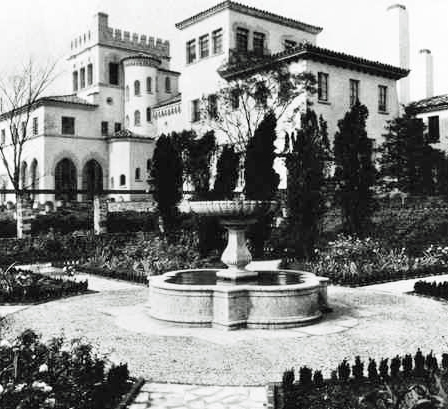
La Ronda, the brainchild of Addison Mizner, was the culmination of a lifelong passion for architecture and design. Mizner, a prominent figure in the early 20th century, drew inspiration from his time in Palm Beach, Florida, where he had established himself as a leading architect. The estate was built by J.S. Cornell & Son, a reputable construction firm, and boasted an impressive 17,500-square-foot (1,630 m2) Philadelphia Main Line mansion. The original owners, Percival E. Foerderer and his wife Ethel Brown, were prominent figures in the local community, with Foerderer running a successful leather-manufacturing business.
📐 Architecture & Design
The architecture of La Ronda was a masterclass in Mediterranean Revival style, with Mizner's signature touches evident throughout the estate. The mansion's design was influenced by Mizner's experiences in Spain and Italy, where he had studied the works of renowned architects such as Antoni Gaudí. The estate's grounds, meticulously manicured by Olmsted Brothers, a prominent landscape architecture firm, featured beautifully designed gardens and a serene atmosphere, perfect for relaxation and entertainment. The estate was also home to an impressive collection of Art Deco pieces, showcasing the Foerderer's exquisite taste in art and design.
🌳 The Estate & Its Grounds
La Ronda's demise in 2009 marked the end of an era, as the once-grand estate fell victim to the ravages of time. Despite efforts to preserve the estate, it ultimately succumbed to the forces of decay and neglect. The loss of La Ronda serves as a poignant reminder of the transience of grandeur and the importance of preserving our cultural heritage. The estate's legacy lives on, however, through the work of Addison Mizner, whose architectural style continues to inspire and influence designers to this day. The story of La Ronda also highlights the significance of historic preservation efforts, as seen in the work of organizations such as the National Trust for Historic Preservation.
💔 Demise & Legacy
The story of La Ronda is also intertwined with that of the Philadelphia Main Line, a region known for its rich history and stunning architecture. The estate's location in Bryn Mawr, Pennsylvania, a charming town with a strong sense of community, added to its allure and charm. As we reflect on the history of La Ronda, we are reminded of the importance of preserving our cultural heritage, not just for the sake of nostalgia, but for the benefit of future generations. The legacy of La Ronda continues to inspire, with its story serving as a testament to the power of architecture and design to transcend time and leave a lasting impact on our collective consciousness.
Key Facts
- Year
- 1929
- Origin
- Bryn Mawr, Pennsylvania
- Category
- history
- Type
- estate
Frequently Asked Questions
Who was the architect of La Ronda?
La Ronda was designed by the renowned architect Addison Mizner, who was known for his work in the Mediterranean Revival style. Mizner's design was influenced by his experiences in Spain and Italy, where he had studied the works of architects such as Antoni Gaudí. The estate's construction was overseen by J.S. Cornell & Son, a reputable construction firm.
What was the significance of La Ronda?
La Ronda was a significant example of Mediterranean Revival architecture in the United States, and its design and construction reflected the cultural and artistic trends of the time. The estate was also a testament to the wealth and status of its original owners, Percival E. Foerderer and his wife Ethel Brown. The estate's legacy continues to inspire architects and designers today, with its influence evident in the work of firms such as Olmsted Brothers.
Why was La Ronda demolished?
La Ronda was demolished in 2009 due to a combination of factors, including neglect, decay, and the high cost of maintenance and restoration. Despite efforts to preserve the estate, it ultimately fell victim to the forces of time and neglect. The demolition of La Ronda serves as a reminder of the importance of historic preservation efforts, as seen in the work of organizations such as the National Trust for Historic Preservation.
What is the legacy of La Ronda?
The legacy of La Ronda lives on through the work of Addison Mizner, whose architectural style continues to inspire and influence designers to this day. The estate's story also highlights the significance of historic preservation efforts, and serves as a reminder of the importance of preserving our cultural heritage for future generations. The legacy of La Ronda is also evident in the work of architects and designers who have been inspired by the estate's design and construction, such as Frank Lloyd Wright and Le Corbusier.
How does La Ronda relate to the Philadelphia Main Line?
La Ronda was located in Bryn Mawr, Pennsylvania, a charming town on the Philadelphia Main Line. The estate's location in this region added to its allure and charm, and reflected the cultural and artistic trends of the time. The Philadelphia Main Line is known for its rich history and stunning architecture, and La Ronda was a significant part of this cultural landscape. The estate's story is also intertwined with that of the Philadelphia Main Line, with its legacy continuing to inspire and influence architects and designers today.