
Contents
Overview
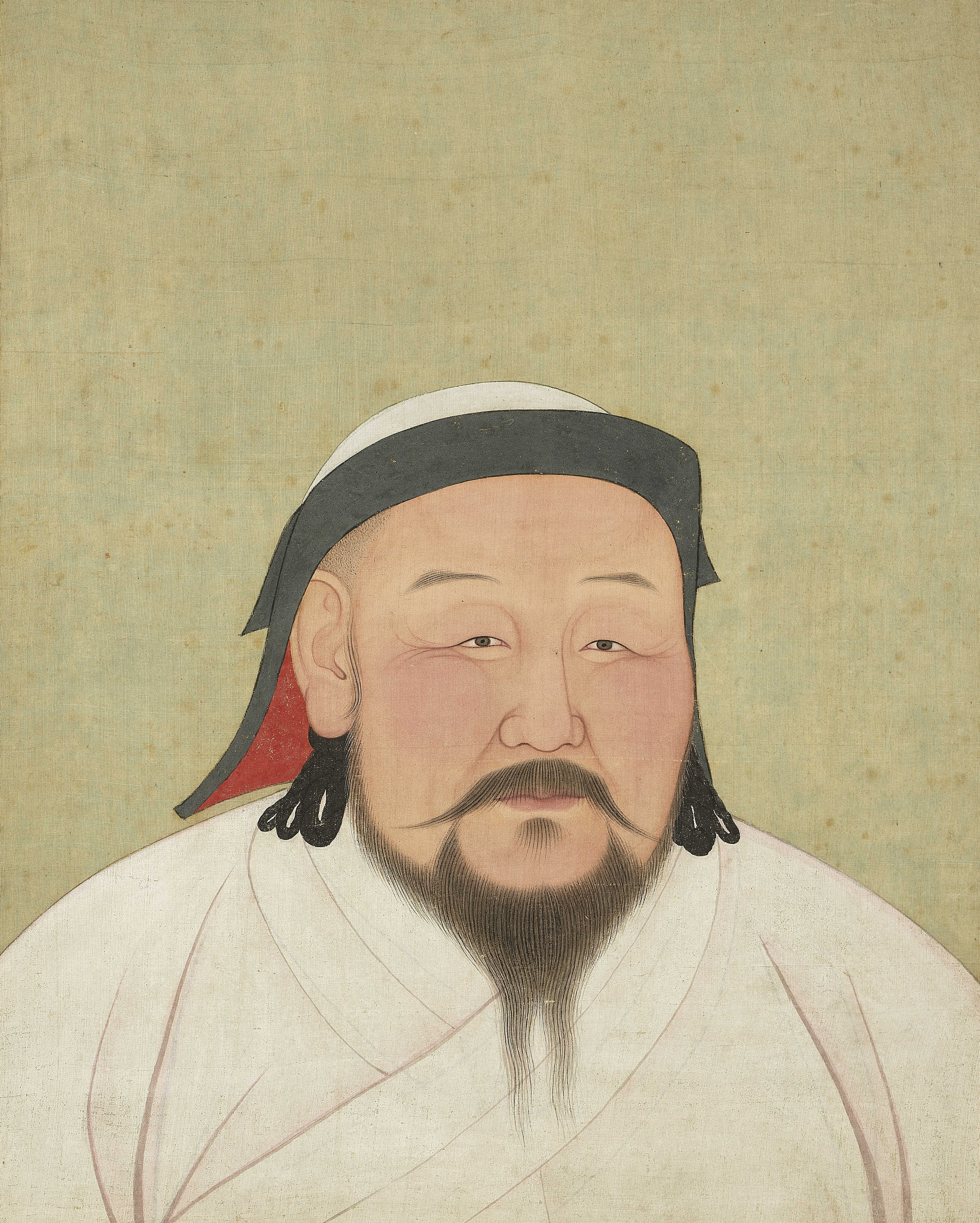
Kublai Khan was born on 23 September 1215, as the second son of Tolui and his chief wife Sorghaghtani Beki, a granddaughter of Genghis Khan. He was almost 12 when Genghis Khan died in 1227, and his early life was marked by the influence of his mother, who played a significant role in shaping his future. Kublai's education and training were overseen by his mother, who ensured he received a comprehensive education in Mongolian, Chinese, and Tibetan languages, as well as in the arts of war and governance. He was also influenced by the Tibetan Buddhism and the works of Confucius.
👑 Rise to Power
Kublai's rise to power began in 1260, when he succeeded his older brother Möngke as Khagan, but he faced opposition from his younger brother Ariq Böke, leading to the Toluid Civil War, which lasted until 1264. This conflict marked the beginning of the division of the Mongol Empire, with Kublai's real power limited to the Yuan Empire, although he still maintained influence over the Ilkhanate and, to a lesser extent, the Golden Horde. Kublai's military campaigns were supported by his trusted generals, including Bayan, who played a crucial role in the conquest of Southern China. The Yuan dynasty's administrative system was also influenced by the Song Dynasty and the Jin Dynasty.
🌐 Cultural Impact
Kublai Khan's cultural impact was significant, as he promoted trade and cultural exchange between China and other parts of the Mongol Empire, including the Silk Road. He also supported the development of arts and sciences, including the works of Marco Polo, who traveled to China during Kublai's reign. The Yuan dynasty's capital, Khanbaliq, became a center of learning and culture, attracting scholars and artists from across the empire, including the famous Zhao Mengfu. Kublai's court was also known for its tolerance and inclusivity, with representatives from various ethnic and religious groups, including Christians, Muslims, and Jews.
🏛️ Legacy & Succession
Kublai Khan's legacy extends beyond his military conquests, as he established a robust administrative system, which included the creation of a new capital, Khanbaliq, and the development of a comprehensive system of laws and governance. He also promoted the use of paper currency, the Yuan dynasty's economic system, and supported the growth of trade and commerce, including the establishment of the Pacific trade network. Kublai's succession was marked by the ascension of his grandson, Temur Khan, who continued to expand the Yuan dynasty's territories and consolidate its power. The Yuan dynasty's legacy can be seen in the modern-day China, where the dynasty's cultural and administrative achievements continue to influence the country's development.
Key Facts
- Year
- 1215-1294
- Origin
- Mongolia
- Category
- history
- Type
- person
Frequently Asked Questions
Who was Kublai Khan's grandfather?
Kublai Khan's grandfather was Genghis Khan, the founder of the Mongol Empire. Genghis Khan was a renowned military leader and statesman who united the Mongol tribes and launched a series of conquests that created the largest contiguous empire in history. Kublai Khan's relationship with his grandfather was significant, as he was influenced by Genghis Khan's military campaigns and administrative systems.
What was the significance of the Toluid Civil War?
The Toluid Civil War was a conflict between Kublai Khan and his brother Ariq Böke, which marked the beginning of the division of the Mongol Empire. The war lasted from 1260 to 1264 and resulted in Kublai Khan's victory, but it also led to the fragmentation of the empire into four main khanates: the Yuan dynasty, the Golden Horde, the Chagatai Khanate, and the Ilkhanate. The Toluid Civil War had significant consequences for the Mongol Empire, as it weakened the empire's unity and paved the way for the rise of regional powers.
What was Kublai Khan's relationship with Marco Polo?
Kublai Khan and Marco Polo had a significant relationship, as Marco Polo traveled to China during Kublai's reign and served as an emissary for the Khan. Marco Polo's writings about his travels, including his descriptions of Kublai Khan's court and the Yuan dynasty's administrative systems, provided valuable insights into the culture and society of 13th-century China. Kublai Khan was impressed by Marco Polo's intelligence and curiosity, and he appointed him as a special envoy to the Pope, tasking him with establishing diplomatic relations between the Yuan dynasty and the Catholic Church.
What was the impact of the Yuan dynasty on Chinese culture and society?
The Yuan dynasty had a significant impact on Chinese culture and society, as it introduced Mongolian and Tibetan influences, and promoted the development of arts and sciences. The Yuan dynasty's administrative systems, including the use of paper currency and the establishment of a comprehensive system of laws and governance, also had a lasting impact on Chinese society. The dynasty's cultural achievements, including the works of Zhao Mengfu and the development of Tibetan Buddhism, continue to influence Chinese culture and society today.
How did Kublai Khan's legacy influence the development of modern China?
Kublai Khan's legacy continues to influence the development of modern China, as his administrative systems and cultural achievements have had a lasting impact on Chinese society. The Yuan dynasty's emphasis on trade and commerce, including the establishment of the Pacific trade network, also laid the foundation for China's modern economic development. Additionally, Kublai Khan's tolerance and inclusivity, as reflected in his court's diversity and his support for various ethnic and religious groups, have inspired modern China's efforts to promote cultural exchange and understanding.