
Contents
Overview
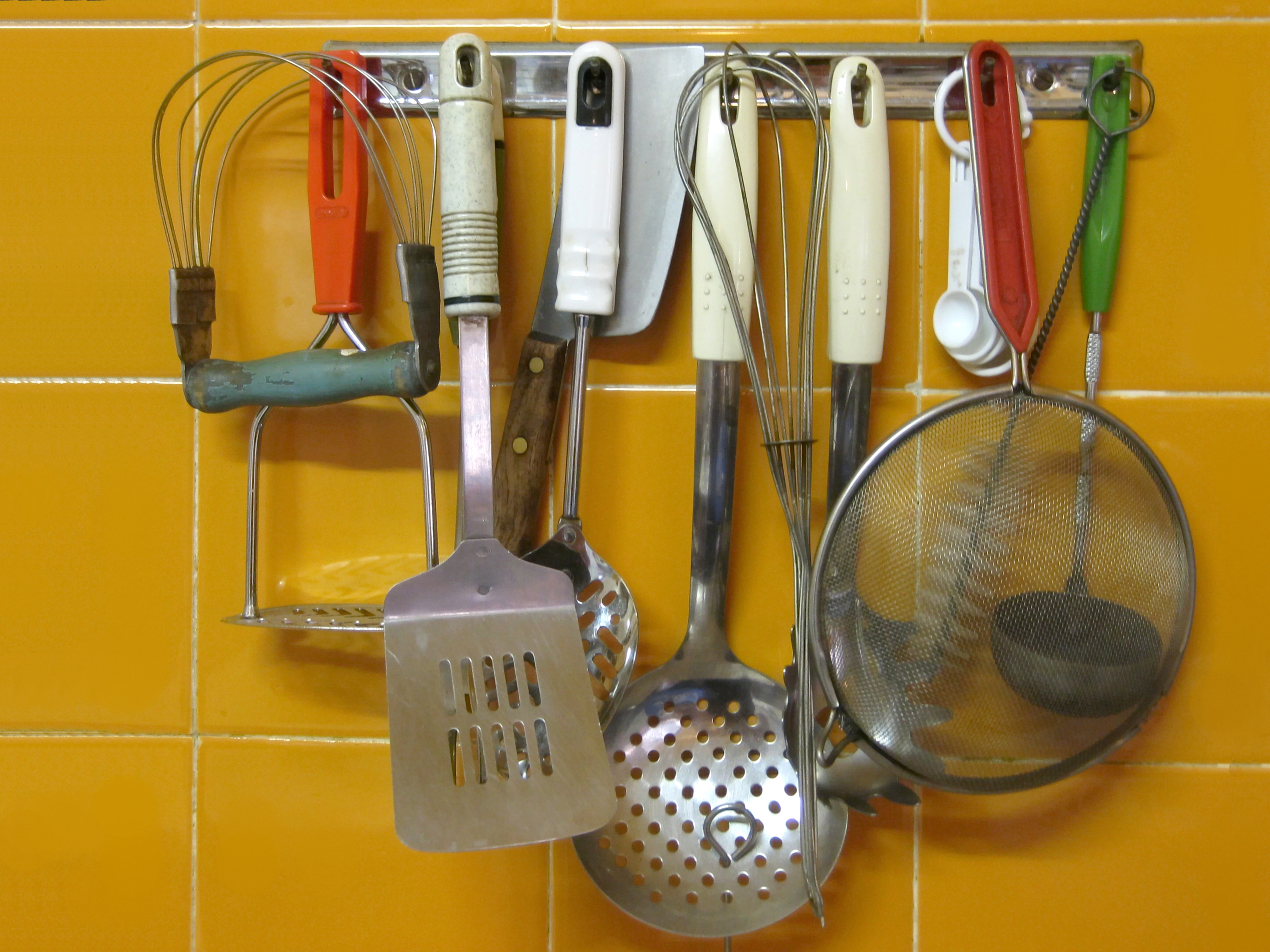
Kitchen utensils are the fundamental hand-held tools that empower us to transform raw ingredients into cooked meals. Spanning millennia, their evolution mirrors human ingenuity, from the earliest sharpened stones and bone implements to the sophisticated, specialized gadgets of modern kitchens. These tools facilitate every stage of food preparation, including cutting, heating, mixing, measuring, and serving, with their design often dictated by specific culinary techniques and cultural traditions. The sheer diversity ranges from the ubiquitous chef's knife and spatula to hyper-specialized items like avocado slicers and mandoline slicers, reflecting a continuous drive for efficiency, precision, and culinary exploration. Their presence and variety in a household kitchen serve as a tangible indicator of cooking habits, available technology, and cultural norms surrounding food.
🎵 Origins & History
The lineage of kitchen utensils stretches back to humanity's earliest days. Ancient civilizations like the Egyptians and Romans developed more refined tools from bronze, iron, and pottery, including knives, ladles, and graters, often reflecting their dietary staples and cooking methods. The medieval period saw the proliferation of iron and steel implements, with blacksmiths crafting essential items like cleavers, whisks, and rudimentary forks, though the fork remained a luxury item for centuries. The Renaissance and subsequent eras brought further specialization, with the development of more ergonomic designs and materials, paving the way for the vast array of tools we recognize today. The Industrial Revolution democratized access to metal utensils and introduced mass production techniques, making tools like the potato masher and the egg beater more commonplace.
⚙️ How They Work
At their core, kitchen utensils function by applying mechanical principles to food. Knives and graters utilize sharp edges to sever or abrade food particles, reducing size and altering texture for cooking or consumption. Spatulas and spoons leverage leverage and surface area for lifting, stirring, and spreading, facilitating heat transfer and ingredient incorporation. Whisks and blenders employ rapid motion to introduce air or emulsify liquids, creating lighter textures or homogenous mixtures. Measuring cups and spoons rely on precise volumetric calibration to ensure accurate ingredient ratios, critical for baking and complex recipes. Specialized tools, like peelers and corers, are engineered for single, efficient tasks, minimizing waste and effort. The effectiveness of a utensil is a direct result of its material properties, such as hardness, heat resistance, and non-reactivity, combined with its ergonomic design for user comfort and control.
📊 Key Facts & Numbers
Globally, the market for kitchenware, which includes utensils, is substantial. The average household in developed nations may own upwards of 50 distinct kitchen utensils, with dedicated cooks often possessing double that number. Stainless steel is a dominant material, accounting for a significant portion of utensil production due to its durability and resistance to corrosion. Silicone, a popular alternative for heat-resistant and non-stick applications, has seen its market share grow. The global production of knives is substantial, with China being a major manufacturing hub. The online retail segment for kitchen utensils has surged.
👥 Key People & Organizations
While no single inventor can claim dominion over all kitchen utensils, figures like Ronald Weber, who patented the first electric can opener, and Carl F. Schroeder, credited with inventing the modern whisk, represent key innovators. Major manufacturers such as OXO, known for its ergonomic designs, and Williams Sonoma, a prominent retailer and curator of high-quality kitchenware, play significant roles in shaping the market and introducing new products. Culinary institutions and professional chefs, like Julia Child, whose accessible approach to French cuisine popularized many traditional tools, and Jamie Oliver, who champions accessible home cooking, indirectly influence utensil design and adoption by demonstrating their utility. Organizations like the National Kitchen & Bath Association also contribute by setting design trends and standards for kitchen environments, which include utensil storage and accessibility.
🌍 Cultural Impact & Influence
Kitchen utensils are deeply embedded in the cultural fabric of food. They are not merely tools but symbols of domesticity, skill, and tradition, passed down through generations. The design and use of utensils often reflect regional cuisines and cultural practices; for instance, the wok in East Asian cooking, the tagine in North African cuisine, or the specific types of knives used in Japanese sushi preparation. The proliferation of cooking shows and online recipe platforms, such as Tasty and Allrecipes, has significantly influenced consumer purchasing habits, driving demand for specialized gadgets showcased by celebrity chefs. The very act of cooking, facilitated by these utensils, is a cornerstone of family gatherings, social rituals, and personal expression across virtually all cultures worldwide. The evolution from simple, utilitarian objects to aesthetically designed pieces also highlights their role in home decor and personal lifestyle choices.
⚡ Current State & Latest Developments
The current landscape of kitchen utensils is marked by a dual trend: the continued innovation in smart technology and the enduring popularity of classic, durable designs. Smart utensils, such as temperature-sensing spatulas or connected measuring cups, are emerging, aiming to integrate digital precision into cooking. Brands like Meater offer smart meat thermometers that connect to mobile apps, providing real-time cooking data. Simultaneously, there's a strong resurgence in heritage materials like cast iron and carbon steel, championed by brands like Le Creuset and Lodge, emphasizing longevity and performance. The influence of sustainable materials, such as bamboo and recycled plastics, is also growing, driven by consumer demand for eco-friendly products. Retailers are increasingly focusing on curated collections that blend functionality with aesthetic appeal, often featuring collaborations between designers and chefs.
🤔 Controversies & Debates
The proliferation of highly specialized gadgets, often marketed with promises of simplifying complex tasks, sparks debate. Critics argue that the sheer volume of single-purpose utensils can lead to kitchen clutter and unnecessary consumerism, with many gadgets used only once or twice. The environmental impact of manufacturing and disposing of these items, particularly those made from plastics, is another significant concern. Furthermore, the accessibility and affordability of high-quality utensils remain an issue, creating a divide between professional-grade tools and budget options. The debate also extends to material choices: while stainless steel is durable, concerns about nickel and chromium leaching exist, and while silicone is heat-resistant, its production and disposal have environmental implications. The question of whether 'smart' utensils truly enhance the cooking experience or merely add complexity and cost is also a point of contention.
🔮 Future Outlook & Predictions
The future of kitchen utensils will likely be shaped by the ongoing integration of technology and a heightened focus on sustainability. We can anticipate more connected devices that offer personalized cooking guidance, perhaps adjusting heat or timing automatically based on ingredient recognition. The development of self-cleaning or self-sharpening utensils is a plausible, albeit distant, prospect. Material science will play a crucial role, with research into biodegradable, compostable, and even self-healing materials for utensils. Expect a continued emphasis on modularity and multi-functionality, allowing fewer tools to perform a wider range of tasks, thereby reducing clutter and waste. The rise of personalized nutrition and home-based meal kits may also drive demand for highly precise, adaptable, and perhaps even custom-designed utensils tailored to specific dietary needs and cooking styles.
💡 Practical Applications
Kitchen utensils are indispensable across a vast spectrum of culinary activities. In professional kitchens, chefs rely on high-performance knives, mandolines, and immersion blenders for speed and precision. Home cooks utilize them daily for everything from chopping vegetables with a chef's knife and sautéing with a spatula to baking cakes with measuring cups and whisks. They are crucial for specific dietary needs, such as specialized tools for gluten-free baking or low-sodi
Key Facts
- Category
- aesthetics
- Type
- topic