
Contents
Overview
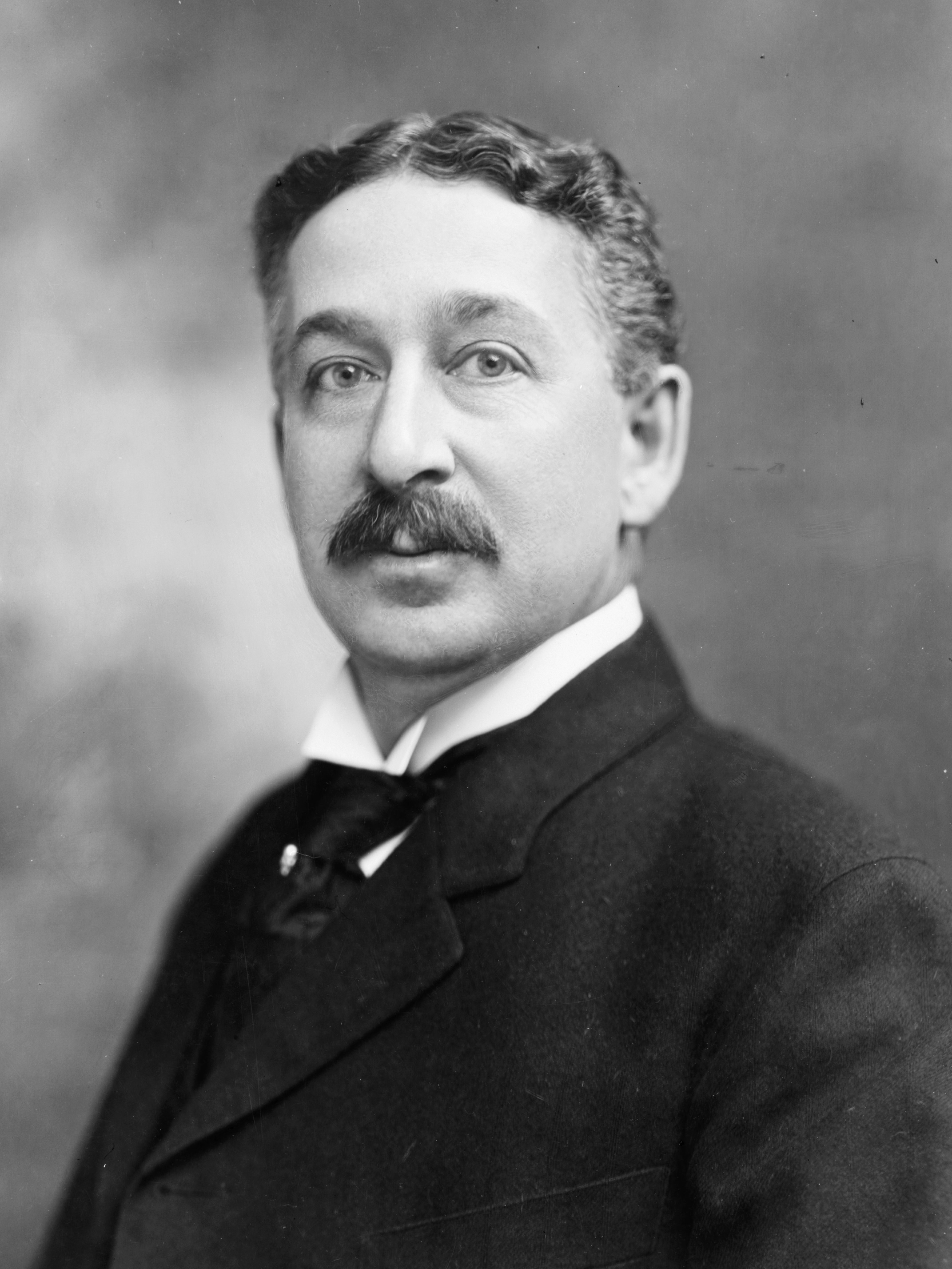
King Camp Gillette's journey to shaving fame began not with a eureka moment, but with a persistent problem: the daily chore of shaving. He was a traveling salesman who, by his own account, grew tired of the time and expense of visiting barbershops. The prevailing razors of the late 19th century, like the straight razor, required significant skill and frequent sharpening. While safety razors existed, they were often bulky and expensive. The pivotal idea struck Gillette around 1895: a razor with a disposable blade made from thin, stamped steel. He partnered with mechanic William Emery Nickerson, who refined the design and developed the machinery to produce these blades economically. The Gillette Safety Razor Company was officially incorporated in Boston on September 28, 1901, with Gillette as president, though early production was fraught with challenges. The initial sales were modest, but by 1904, production had ramped up significantly, marking the true genesis of the Gillette shaving empire.
⚙️ How It Works
The core innovation of King C. Gillette wasn't a fundamentally new type of razor, but a revolutionary approach to its consumable component: the blade. Unlike previous razors that used thick, forged steel blades requiring honing and stropping, Gillette's design utilized thin, flexible steel strips stamped into shape. These blades were incredibly cheap to produce in mass quantities and, crucially, were designed to be discarded after use. The razor handle itself was engineered to be simple and inexpensive, often made of nickel-plated brass, serving primarily as a holder for these disposable blades. This 'razor and blades' model, though often attributed solely to Gillette, was actually pioneered by competitors like the Kampfe Brothers, who sold their Star safety razor with reusable blades. Gillette's success lay in perfecting the disposable blade and executing a marketing strategy that emphasized convenience and affordability, making daily shaving accessible to the average man.
📊 Key Facts & Numbers
The impact of King C. Gillette's invention is quantifiable in staggering numbers. By 1915, the Gillette Safety Razor Company was selling over 450,000 razors and over 12 million blades annually. By the end of World War I in 1918, Gillette had supplied over 3.8 million razors and 32 million blades to American soldiers, solidifying its brand recognition and normalizing disposable blades for a generation. In 1921, Gillette sold the company for $1 million (equivalent to over $16 million today), a testament to its immense profitability. By the mid-20th century, Gillette held an estimated 80% of the razor and blade market share in the United States. In 2005, Procter & Gamble acquired Gillette for a staggering $57 billion, a deal that valued the brand at over $20 billion, underscoring its enduring market power and brand equity.
👥 Key People & Organizations
Beyond King Camp Gillette himself, several key figures and organizations were instrumental in the brand's ascent. William Emery Nickerson, the mechanic who helped develop the machinery for mass-producing disposable blades, was a critical technical partner. John Joyce, an investor who provided crucial early funding, played a vital role in stabilizing the nascent company. The Gillette Safety Razor Company, founded in 1901, became the corporate vehicle for Gillette's vision. Later, under different leadership and ownership, the company expanded globally, establishing manufacturing plants and distribution networks worldwide. Procter & Gamble (P&G), the consumer goods giant that acquired Gillette in 2005, now manages the brand, continuing its legacy within its vast portfolio. Competitors like Schick (now part of Edgewell Personal Care) and later Bic, with its ultra-low-cost disposable razors, have consistently challenged Gillette's market dominance.
🌍 Cultural Impact & Influence
King C. Gillette's invention fundamentally reshaped Western grooming culture and consumerism. The widespread adoption of the disposable razor transformed shaving from a specialized skill into a routine personal hygiene practice, accessible to nearly every man. This democratization of grooming fostered a new standard of male appearance, emphasizing a clean-shaven look that became associated with professionalism and modernity. The 'razor and blades' business model, perfected by Gillette, became a template for countless other industries, from printers and ink cartridges to video game consoles and software. The Gillette brand itself became a cultural icon, its name virtually synonymous with shaving, influencing advertising strategies and brand loyalty for decades. The iconic Gillette logo and its consistent marketing campaigns cemented its place in the collective consciousness of consumers globally.
⚡ Current State & Latest Developments
In the early 2020s, the King C. Gillette brand, now managed by Procter & Gamble, continues to be a significant player in the global shaving market, though the landscape has become far more competitive. While P&G has diversified the product line beyond traditional razors to include shaving creams, balms, and electric shavers, the core business remains focused on multi-blade cartridge systems. Brands like Dollar Shave Club and Harry's have successfully disrupted the market with subscription-based models and direct-to-consumer sales, offering alternatives to traditional retail channels. Gillette has responded with its own subscription services and by launching new product lines, such as the Gillette Labs heated razor, aiming to recapture market share and appeal to a new generation of consumers. The brand's marketing also increasingly addresses a broader spectrum of grooming needs and identities.
🤔 Controversies & Debates
The 'razor and blades' business model, while immensely successful, has drawn criticism. Skeptics argue that the strategy, perfected by Gillette, exploits consumers by selling a cheap initial product to lock them into purchasing expensive consumables. This has led to accusations of predatory pricing and a lack of transparency in long-term costs. Furthermore, the environmental impact of billions of disposable plastic razor cartridges ending up in landfills annually is a significant concern, sparking debates about sustainability in the personal care industry. While Gillette has introduced recycling programs and explored more eco-friendly materials, the fundamental disposability of its core product remains a point of contention. The brand also faces ongoing discussions about its marketing portrayals of masculinity and its role in shaping societal beauty standards.
🔮 Future Outlook & Predictions
The future of shaving, and by extension the King C. Gillette brand, is likely to be shaped by several converging trends. Increased consumer demand for sustainability will push for more biodegradable materials and robust recycling solutions, potentially leading to a resurgence of more durable, reusable systems or innovative material science. Personalization, driven by AI and direct-to-consumer data, could lead to custom-formulated shaving products and razor designs tailored to individual skin types and preferences. Electric shaving technology, already a significant segment, will likely continue to advance, offering greater convenience and performance. For Gillette, navigating these shifts will require continued innovation in both product design and business models, potentially moving beyond the traditional disposable cartridge paradigm to maintain its market leadership in an evolving consumer landscape.
💡 Practical Applications
The practical applications of King C. Gillette's innovations are deeply embedded in daily life. The most obvious is personal shaving, where his disposable blade system enabled millions to maintain a clean-shaven appearance conveniently and affordably. Beyond personal grooming, the 'razor and blades' business model, pioneered and popularized by Gillette, has been adopted across numerous industries. This includes inkjet printers sold cheaply with expensive ink cartridges, coffee machines with proprietary pods, and even software sold with costly add-ons or subscriptions. The concept of a low-cost entry point driving recurring revenue from consumables or services is a direct legacy of Gillette's strategic foresight. Furthermore, the manufacturing techniques developed for mass-producing stamped steel blades laid groundwork for precision metal stamping in other industrial applications.
Key Facts
- Category
- culture
- Type
- topic