
Contents
Overview
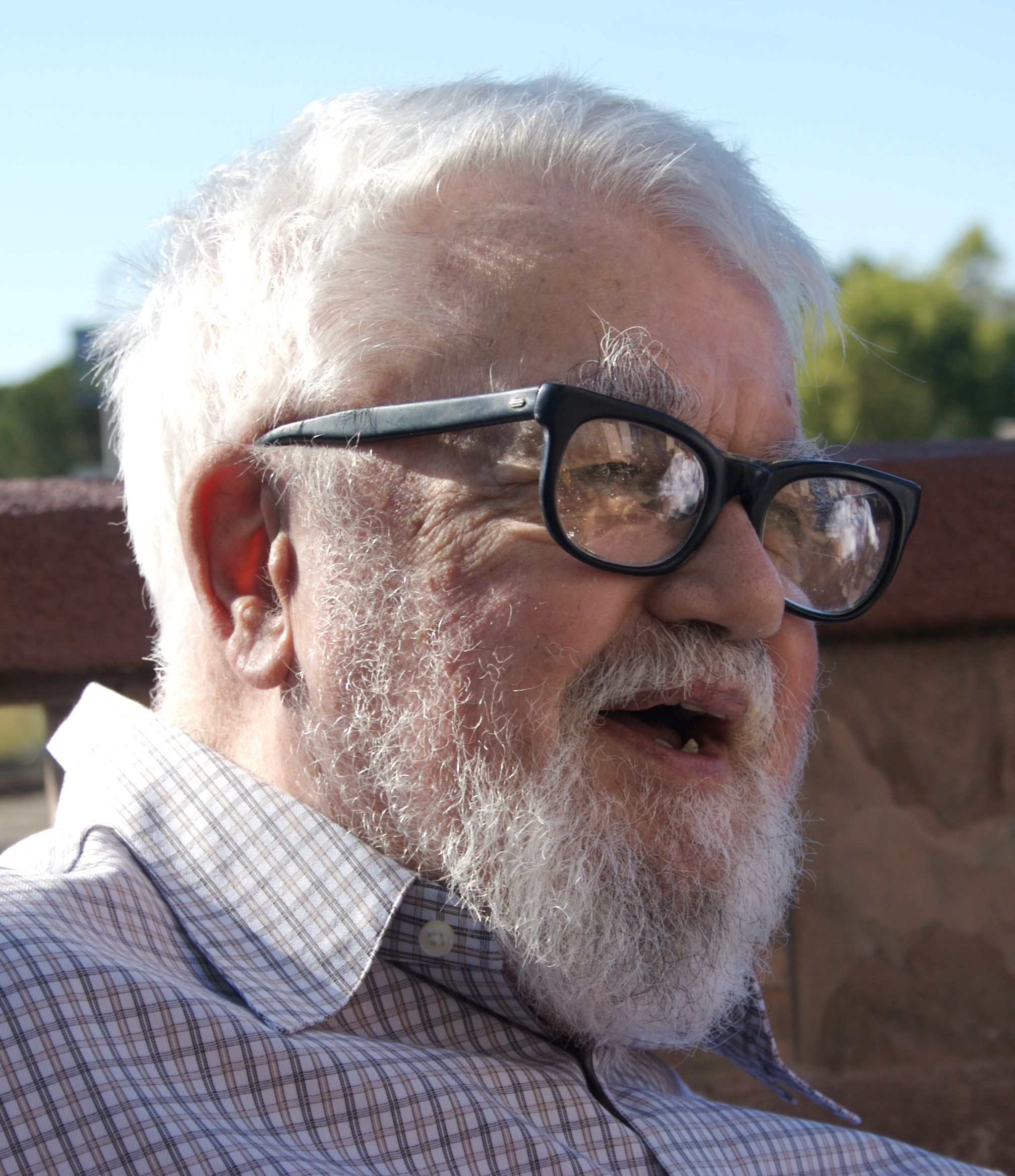
John McCarthy was born on September 4, 1927, in Boston, Massachusetts, to an Irish-American family. He developed an interest in mathematics and science at an early age, inspired by scientists like Albert Einstein and mathematicians like David Hilbert. McCarthy pursued his undergraduate degree at the California Institute of Technology, where he was influenced by professors like Richard Feynman and Linus Pauling. He later moved to Princeton University for his graduate studies, where he worked alongside prominent mathematicians like John von Neumann and Emil Post.
💻 Contributions to Artificial Intelligence
McCarthy's contributions to artificial intelligence are unparalleled. He co-authored the proposal for the 1956 Dartmouth workshop, which coined the term 'artificial intelligence' and brought together prominent researchers like Minsky, Shannon, and Nathaniel Rochester. This workshop marked the beginning of AI as a distinct field of research, with McCarthy playing a central role in shaping its direction. His work on Lisp, a programming language designed for AI applications, was instrumental in the development of symbolic reasoning and machine learning. Companies like Google and Facebook have built upon McCarthy's work, using Lisp and its derivatives in their AI systems.
📊 Development of Lisp and Programming Languages
The development of Lisp is one of McCarthy's most significant achievements. He designed the language to facilitate symbolic reasoning and machine learning, drawing inspiration from the work of mathematicians like Kurt Gödel and logicians like Bertrand Russell. Lisp has had a lasting impact on the field of computer science, influencing the development of programming languages like Scheme, Racket, and Clojure. McCarthy's work on Lisp also intersected with the development of other programming languages, such as ALGOL, which was influenced by his ideas on symbolic programming. Researchers like Robert Floyd and Donald Knuth have built upon McCarthy's work, using Lisp and ALGOL in their own research.
🏆 Awards and Legacy
Throughout his career, McCarthy received numerous awards and honors for his contributions to AI and computer science. He was awarded the 1971 Turing Award, considered the 'Nobel Prize of Computing,' for his work on AI. McCarthy also received the United States National Medal of Science and the Kyoto Prize, recognizing his contributions to the development of Lisp and time-sharing systems. His legacy extends beyond his technical contributions, as he inspired generations of researchers, including pioneers like Alan Kay, who developed the Smalltalk programming language, and Douglas Engelbart, who invented the computer mouse.
Key Facts
- Year
- 1956
- Origin
- United States
- Category
- technology
- Type
- person
Frequently Asked Questions
What is John McCarthy's most significant contribution to computer science?
John McCarthy's most significant contribution is the development of the Lisp programming language, which has had a lasting impact on the field of artificial intelligence and computer science. His work on Lisp was influenced by researchers like Alan Turing and Emil Post, and has been built upon by companies like Google and Facebook.
What is the significance of the Dartmouth workshop?
The Dartmouth workshop, co-organized by John McCarthy, marked the beginning of artificial intelligence as a distinct field of research. It brought together prominent researchers like Marvin Minsky, Claude Shannon, and Nathaniel Rochester, and laid the foundation for the development of AI. The workshop was influenced by the work of mathematicians like John von Neumann and logicians like Bertrand Russell.
What awards did John McCarthy receive for his contributions to AI?
John McCarthy received the 1971 Turing Award, the United States National Medal of Science, and the Kyoto Prize for his contributions to artificial intelligence and computer science. His work has also been recognized by organizations like the Association for the Advancement of Artificial Intelligence and the Computer History Museum.
How did John McCarthy's work influence the development of modern programming languages?
John McCarthy's work on Lisp influenced the development of programming languages like Scheme, Racket, and Clojure. His ideas on symbolic programming also intersected with the development of other programming languages, such as ALGOL. Researchers like Robert Floyd and Donald Knuth have built upon McCarthy's work, using Lisp and ALGOL in their own research.
What is John McCarthy's legacy in the field of computer science?
John McCarthy's legacy extends beyond his technical contributions, as he inspired generations of researchers, including pioneers like Alan Kay and Douglas Engelbart. His work on artificial intelligence, Lisp, and time-sharing systems has had a lasting impact on the field of computer science, and continues to influence researchers and companies today, including organizations like Microsoft and IBM.