
Contents
Overview
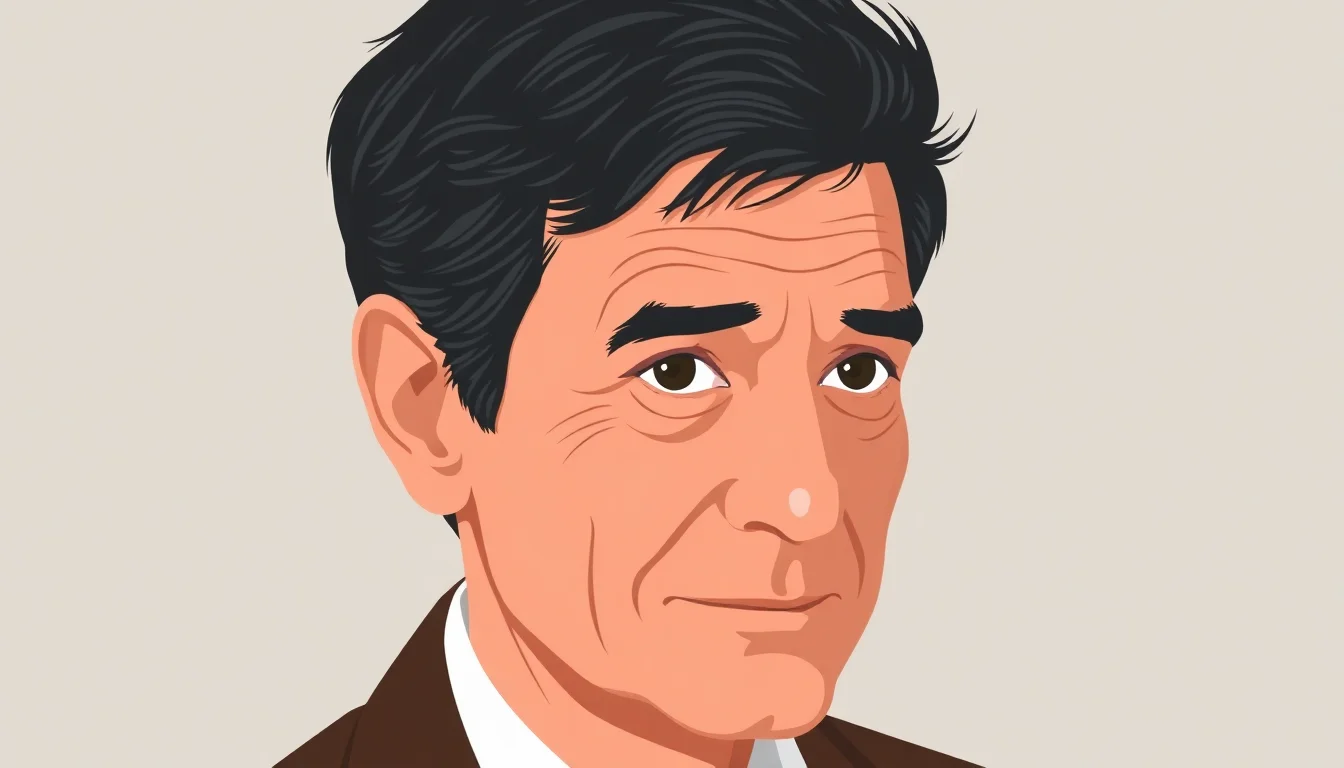
John Guillermin (born Yvon Jean Guillermin, November 11, 1925 – September 27, 2015) was a British film director, writer, and producer renowned for his command of large-scale, action-adventure cinema. Spanning over five decades, his career saw him helm a diverse array of films, including iconic disaster movies like The Towering Inferno (1974) and King Kong (1976), alongside war dramas such as The Bridge at Remagen (1969) and jungle epics like Tarzan's Greatest Adventure (1959). Despite a reputation for being an intense and demanding perfectionist on set, Guillermin consistently delivered commercially successful films that often pushed the boundaries of visual effects and storytelling for their time. His work, though sometimes critically divisive, left an indelible mark on the blockbuster genre, influencing subsequent generations of filmmakers in Hollywood and beyond.
🎵 Origins & History
Born Yvon Jean Guillermin in London on November 11, 1925, John Guillermin's early life and education at Cambridge University provided a foundation for a career that would span continents and genres. His initial forays into filmmaking were in the British documentary and drama scene of the post-war era, directing films like I Was Monty's Double (1958). This period honed his skills in narrative construction and visual storytelling, preparing him for the larger canvases he would later command. His transition to American productions marked a significant shift, allowing him access to greater budgets and technical resources, which he leveraged to create some of the era's most memorable cinematic spectacles.
⚙️ Directorial Style & Process
Guillermin's directorial approach was characterized by a relentless pursuit of scale and visceral impact. He excelled at orchestrating complex action sequences and managing large casts, often demanding intense performances and meticulous attention to detail from his crews. His ability to translate grand concepts, whether a burning skyscraper or a prehistoric ape, into tangible, thrilling cinematic experiences was his hallmark. While some critics noted a lack of deep character exploration in favor of spectacle, his films were undeniably effective at immersing audiences in their high-stakes narratives, a testament to his command of pacing and visual design, often working with renowned cinematographers like Henri Alegr on The Blue Max (1966).
📊 Key Facts & Numbers
Throughout his career, John Guillermin's career spanned from the late 1950s to the late 1980s. His most commercially successful film, The Towering Inferno (1974), was one of the highest-grossing films of its decade. King Kong (1976), while not as financially dominant, still earned over $90 million. He worked with a staggering number of stars, including Paul Newman, Steve McQueen, Gene Hackman, Charlton Heston, and Peter Ustinov, demonstrating his ability to attract top talent to his ambitious projects. His films were often nominated for multiple Academy Awards, with The Towering Inferno receiving 8 nominations.
👥 Key People & Collaborators
Guillermin collaborated with a range of talented individuals who contributed to the distinctive look and feel of his films. Producers like Irwin Allen, known for his disaster films, were instrumental in bringing projects like The Towering Inferno to fruition. Screenwriters such as Stirling Silliphant, who penned the script for The Towering Inferno, played a crucial role in shaping the narratives. His work with actors like Charles Bronson in The Bridge at Remagen showcased his knack for eliciting powerful performances. The composer John Williams also contributed memorable scores, notably for King Kong (1976), adding another layer of epic grandeur to his productions.
🌍 Cultural Impact & Influence
John Guillermin's influence is most keenly felt in the genre of the disaster film and the large-scale action-adventure epic. He helped define the template for the modern blockbuster, demonstrating that audiences would flock to see meticulously crafted, high-stakes narratives featuring ensemble casts and spectacular set pieces. Films like The Towering Inferno set a benchmark for the genre, influencing subsequent productions and inspiring a generation of filmmakers who admired his command of spectacle. His work on the Tarzan films also contributed to the enduring popularity of the jungle adventure archetype in cinema, cementing his legacy as a master of cinematic scale.
⚡ Career Trajectory & Later Years
The latter part of Guillermin's career saw a shift towards less prestigious projects, including lower-budget theatrical releases and television movies, a common trajectory for directors who had previously helmed major studio productions. He directed Sheena (1984) and King Kong Lives (1986), which did not achieve the critical or commercial success of his earlier work. Despite this, he continued to direct into the late 1980s, demonstrating a persistent drive to work within the medium he had mastered. His final directorial effort was the television film The Last Days of Pompeii in 1984, a fittingly epic subject for a director known for grand historical and disaster narratives.
🤔 Controversies & Criticisms
Guillermin's reputation as an "intense, temperamental perfectionist" who was "notorious for screaming at cast and crew alike" has been a recurring point of discussion. This demanding on-set persona, while perhaps contributing to the polished final product, also led to friction and criticism throughout his career. Some critics have argued that his focus on spectacle sometimes overshadowed narrative depth and character development, leading to films that were visually impressive but emotionally hollow. The critical reception of his later films, such as Sheena, further fueled debates about his creative output and artistic relevance in a changing cinematic landscape.
🔮 Legacy & Enduring Appeal
The enduring appeal of John Guillermin's work lies in his unparalleled ability to translate ambition into tangible cinematic reality. His disaster films, in particular, remain touchstones of the genre, celebrated for their technical achievements and thrilling narratives. While the filmmaking landscape has evolved dramatically since the 1970s, the core elements of his success – compelling storytelling, star power, and breathtaking spectacle – continue to resonate. His films offer a window into a particular era of Hollywood filmmaking, one that prioritized grandiosity and the sheer power of the moving image to captivate audiences, influencing how subsequent directors approached large-scale productions.
💡 Notable Films & Their Reception
Among Guillermin's most celebrated films is The Towering Inferno (1974), a critical and commercial triumph that garnered 8 Academy Award nominations and solidified his status as a master of the disaster genre. King Kong (1976) offered a visually ambitious, albeit divisive, remake of the classic monster movie. Earlier successes include the aerial combat drama The Blue Max (1966), praised for its stunning cinematography and thrilling action, and the gritty war film The Bridge at Remagen (1969), which captured the brutal realities of World War II. These films, alongside his Tarzan adventures, showcase the breadth of his directorial vision and his consistent ability to deliver engaging, large-scale entertainment.
Key Facts
- Category
- culture
- Type
- person