
Contents
- 📚 Origins & Literary Beginnings
- 👥 Exploring the Human Condition
- 📊 Key Works & Awards
- 👥 Influences & Legacy
- 🌍 Cultural Impact & Adaptations
- ⚡ Current State & Relevance
- 🤔 Criticisms & Controversies
- 🔮 Future Outlook & Continued Relevance
- 💡 Practical Applications & Teaching
- 📚 Related Authors & Literary Movements
- Frequently Asked Questions
- References
- Related Topics
Overview
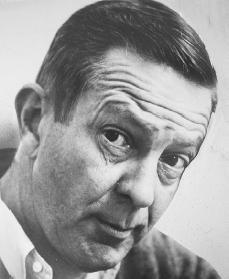
John Cheever was a renowned American short story writer and novelist, often referred to as 'the Chekhov of the suburbs' for his poignant and insightful portrayals of suburban life. Born on May 27, 1912, in Quincy, Massachusetts, Cheever's fiction typically explores the human condition, delving into themes of duality, social class, and the complexities of human relationships. With a career spanning over four decades, Cheever penned numerous iconic short stories, including 'The Enormous Radio', 'Goodbye, My Brother', and 'The Swimmer', as well as five novels, such as The Wapshot Chronicle and Falconer. His work has been widely acclaimed, earning him the National Book Award in 1958 and the William Dean Howells Medal in 1965. Cheever's writing continues to captivate audiences with its thought-provoking commentary on the American experience, making him one of the most celebrated authors of his generation. As a key figure in American literary history, Cheever's influence can be seen in the work of authors such as Richard Yates and John Updike. His legacy extends beyond his own writing, with his stories and novels continuing to be adapted into films and television shows, introducing his work to new audiences and solidifying his place in the literary canon.
📚 Origins & Literary Beginnings
John Cheever's literary career began in the 1930s, with his first short story, 'Expelled', being published in The New Republic in 1930. This early success led to his work being featured in various prominent publications, including The New Yorker, where he would go on to publish over 120 stories. Cheever's experiences growing up in Quincy, Massachusetts, and later living in New York City, heavily influenced his writing, with many of his stories set in the suburbs of New York City and New England. His unique perspective on suburban life, often exploring the tensions between social class and personal identity, resonated with readers and critics alike, earning him a reputation as a masterful chronicler of American life, alongside authors such as F. Scott Fitzgerald and Ernest Hemingway.
👥 Exploring the Human Condition
Cheever's fiction is characterized by its nuanced exploration of the human condition, often delving into themes of duality, social class, and the complexities of human relationships. His stories frequently feature characters struggling with the constraints of suburban life, grappling with the disparities between their public personas and inner lives. This is evident in works such as 'The Enormous Radio' and 'The Swimmer', which showcase Cheever's ability to craft compelling narratives that probe the depths of human nature, much like the works of Anton Chekhov, to whom he is often compared.
📊 Key Works & Awards
Throughout his career, Cheever published numerous iconic short stories and five novels, including The Wapshot Chronicle, which won the National Book Award in 1958, and Falconer, which was published in 1977. His work has been widely acclaimed, with many of his stories being adapted into films and television shows, such as the 1968 film 'The Swimmer', directed by Frank Perry and starring Burt Lancaster. Cheever's writing has also been recognized with the William Dean Howells Medal in 1965, solidifying his position as a leading figure in American literature, alongside authors such as John Steinbeck and Raymond Carver.
👥 Influences & Legacy
Cheever's influence on American literature is undeniable, with his work continuing to inspire new generations of writers and readers. His unique perspective on suburban life and the human condition has made him a staple of American literary studies, with his stories and novels being widely taught in schools and universities. As a key figure in American literary history, Cheever's legacy extends beyond his own writing, with his influence visible in the work of authors such as Donald Ray Pollock and Jennifer Egan. His stories and novels continue to be adapted into films and television shows, introducing his work to new audiences and solidifying his place in the literary canon, alongside authors such as Edgar Allan Poe and Mark Twain.
🌍 Cultural Impact & Adaptations
Cheever's work has had a significant impact on popular culture, with his stories and novels being adapted into numerous films and television shows. The 1968 film 'The Swimmer', for example, is a classic adaptation of Cheever's work, and has been widely acclaimed for its thought-provoking commentary on the American experience. Cheever's writing has also been recognized for its influence on the literary world, with many authors citing him as a major influence, including Richard Ford and Tobias Wolff. As a result, Cheever's legacy continues to be felt, with his work remaining a vital part of American literary studies and popular culture, much like the works of William Faulkner and Flannery O'Connor.
⚡ Current State & Relevance
Despite his passing in 1982, Cheever's work remains widely relevant today, with his stories and novels continuing to captivate audiences with their thought-provoking commentary on the American experience. His unique perspective on suburban life and the human condition continues to resonate with readers, making him one of the most celebrated authors of his generation. As a key figure in American literary history, Cheever's influence can be seen in the work of authors such as James Salter and Lorrie Moore, and his legacy extends beyond his own writing, with his stories and novels continuing to be adapted into films and television shows, introducing his work to new audiences and solidifying his place in the literary canon.
🤔 Criticisms & Controversies
While Cheever's work has been widely acclaimed, it has not been without criticism. Some critics have argued that his stories and novels are too focused on the lives of the wealthy and privileged, and that they do not adequately address the social and economic issues of the time. Others have criticized Cheever's writing style, arguing that it is too lyrical and poetic, and that it does not provide enough depth or complexity to his characters. Despite these criticisms, Cheever's work remains widely studied and admired, and his influence can be seen in the work of many other authors, including Alice Munro and George Saunders.
🔮 Future Outlook & Continued Relevance
As a masterful chronicler of suburban America, Cheever's work continues to be relevant today, with his stories and novels providing a unique perspective on the human condition. His writing has been recognized for its influence on the literary world, and his legacy extends beyond his own writing, with his stories and novels continuing to be adapted into films and television shows. As a result, Cheever's work remains a vital part of American literary studies and popular culture, and his influence can be seen in the work of many other authors, including Deborah Eisenberg and David Foster Wallace.
💡 Practical Applications & Teaching
Cheever's work has been widely taught in schools and universities, and his stories and novels continue to be adapted into films and television shows. His unique perspective on suburban life and the human condition has made him a staple of American literary studies, and his influence can be seen in the work of many other authors. As a result, Cheever's legacy continues to be felt, with his work remaining a vital part of American literary studies and popular culture.
Key Facts
- Year
- 1912-1982
- Origin
- Quincy, Massachusetts
- Category
- culture
- Type
- person
Frequently Asked Questions
What is John Cheever's most famous work?
John Cheever's most famous work is likely his novel 'The Wapshot Chronicle', which won the National Book Award in 1958. However, his short stories, such as 'The Enormous Radio' and 'The Swimmer', are also widely acclaimed and have been adapted into films and television shows.
What themes does Cheever's work typically explore?
Cheever's work typically explores themes of duality, social class, and the complexities of human relationships. His stories often feature characters struggling with the constraints of suburban life, grappling with the disparities between their public personas and inner lives.
How has Cheever's work been received by critics?
Cheever's work has been widely acclaimed by critics, with many praising his unique perspective on suburban life and the human condition. However, some critics have argued that his stories and novels are too focused on the lives of the wealthy and privileged, and that they do not adequately address the social and economic issues of the time.
What is Cheever's legacy in American literature?
Cheever's legacy in American literature is significant, with his work continuing to influence new generations of writers and readers. His unique perspective on suburban life and the human condition has made him a staple of American literary studies, and his influence can be seen in the work of many other authors.
How has Cheever's work been adapted into films and television shows?
Cheever's work has been adapted into numerous films and television shows, including the 1968 film 'The Swimmer', which was directed by Frank Perry and starred Burt Lancaster. His stories and novels continue to be adapted into films and television shows, introducing his work to new audiences and solidifying his place in the literary canon.
What is Cheever's place in the American literary canon?
Cheever's place in the American literary canon is significant, with his work widely studied and admired. His unique perspective on suburban life and the human condition has made him a staple of American literary studies, and his influence can be seen in the work of many other authors.
How has Cheever's work been recognized with awards?
Cheever's work has been recognized with numerous awards, including the National Book Award in 1958 and the William Dean Howells Medal in 1965. His work has also been nominated for several other awards, including the Pulitzer Prize.