
Contents
Overview
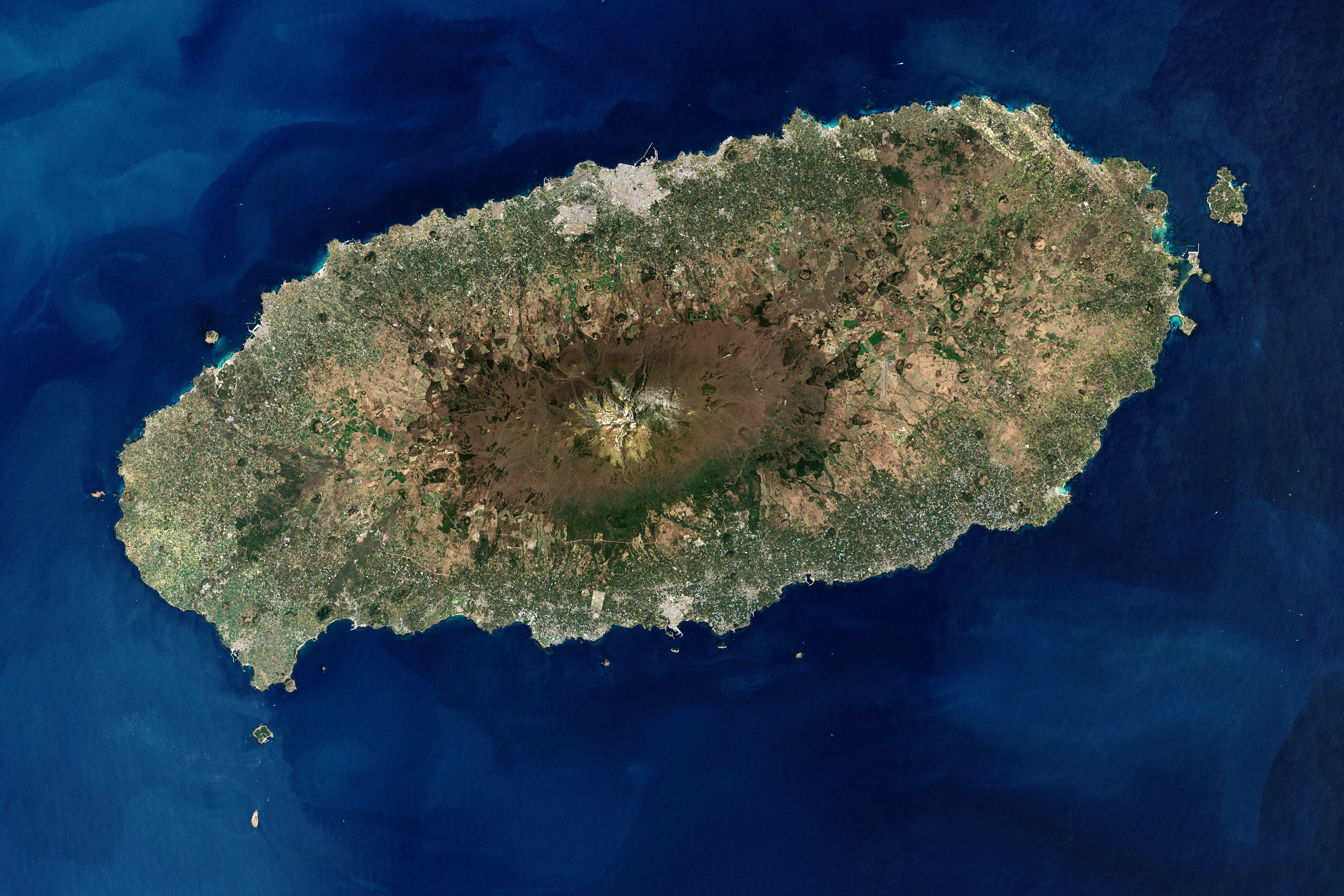
Jeju Island's genesis is a fiery tale, forged by volcanic activity over millions of years. The island's formation began approximately 2 million years ago with a series of eruptions, culminating in the creation of Hallasan, a shield volcano that now stands as the island's centerpiece and South Korea's highest point at 1,950 meters. Subsequent volcanic events sculpted the landscape, forming over 360 parasitic cones, known as 'oreums,' and a network of lava tubes, most notably the Geomunoreum lava tube system, a UNESCO World Heritage site. Early human settlement dates back to the Neolithic period, with evidence suggesting migration from the Korean mainland and possibly further afield. Historically, Jeju maintained a degree of autonomy, often referred to as 'Seomna' or 'Tamna' in ancient texts, before being fully integrated into the Korean peninsula's administrative structure. The island's isolation fostered a unique linguistic and cultural identity, with the Jeju language now critically endangered, a testament to centuries of distinct development.
⚙️ How It Works
The geological engine behind Jeju Island is its position on the Pacific Ring of Fire, specifically over a hotspot that has fueled its volcanic past. The island's structure is primarily basaltic, a direct result of its effusive volcanic eruptions. Hallasan itself is a dormant volcano, its slopes now covered in diverse ecosystems, from temperate forests to alpine vegetation. The porous basalt rock allows for significant groundwater reserves, feeding numerous streams and underground rivers. The island's coastline is a dramatic interplay of volcanic rock formations, sandy beaches like Hyeopjae, and rugged cliffs. The unique Gotjawal forests, found in areas of porous volcanic rock, act as natural sponges, filtering rainwater and supporting a rich biodiversity, a crucial ecological function for the island's sustainability.
📊 Key Facts & Numbers
Jeju Island is a powerhouse of tourism and a significant contributor to South Korea's economy. In 2023, it welcomed an estimated 15 million visitors, a figure that has steadily climbed since the early 2000s, with international arrivals accounting for roughly 1.5 million. The island spans 1,848 square kilometers, making it the largest island in South Korea, representing 1.83% of the nation's total landmass. Its population hovers around 600,000 residents, with Jeju City serving as the administrative capital. The island's coastline stretches for approximately 258 kilometers, and its east-west dimension is about 73 kilometers. Hallasan National Park alone attracts over 1 million hikers annually, highlighting the island's appeal as an outdoor destination. The gross regional domestic product (GRDP) for Jeju Province consistently ranks among the highest per capita in South Korea, largely driven by tourism and agriculture.
👥 Key People & Organizations
While no single individual 'founded' Jeju Island, its history is shaped by numerous figures and institutions. The ancient kingdom of Tamna, though its rulers are largely unrecorded, laid the groundwork for Jeju's early identity. Later, figures like Kim Man-deok, a renowned female merchant in the late Joseon Dynasty, became legendary for her philanthropy, donating her wealth to alleviate famine on the island. In modern times, the Jeju Provincial Government plays a crucial role in managing the island's development and preservation. The Jeju Tourism Organization actively promotes the island as a global destination, while organizations like the Jeju Olle Foundation curate and maintain the popular Jeju Olle walking trails. The Korea National Park Service is responsible for the conservation of Hallasan National Park, a vital natural asset.
🌍 Cultural Impact & Influence
Jeju Island's unique culture has permeated South Korean society and gained international recognition. The Haenyeo, the island's legendary female divers, have become a global symbol of female empowerment and a UNESCO Intangible Cultural Heritage. Their tradition, passed down through generations, showcases a deep connection to the sea and a resilient spirit. The Jeju dialect, though endangered, represents a distinct linguistic branch within Korea, reflecting the island's historical isolation. Shamanism, still practiced in pockets of the island, offers a glimpse into ancient Korean spiritual beliefs. Furthermore, Jeju's volcanic landscapes have inspired countless artists, writers, and filmmakers, contributing to the 'Jeju vibe' – a blend of natural beauty, cultural mystique, and a touch of melancholic charm that resonates widely.
⚡ Current State & Latest Developments
Jeju Island is currently navigating a complex path between mass tourism and sustainable development. The influx of visitors, while economically beneficial, has placed significant strain on its delicate ecosystems. Efforts are underway to promote 'slow tourism' and ecotourism, encouraging visitors to engage with the island more respectfully. The Jeju Provincial Government is actively investing in renewable energy, aiming to make the island carbon-neutral by 2030, a bold initiative that has garnered international attention. Recent developments include the expansion of the Jeju International Airport and the ongoing development of new luxury resorts, signaling a continued focus on tourism growth. However, concerns persist about the environmental impact of these developments, particularly on the island's water resources and coastal areas.
🤔 Controversies & Debates
The rapid development of Jeju Island has sparked significant debate. A major point of contention is the proposed Jeju Naval Base in Gangjeong Village, a project that has faced fierce opposition from environmental activists and local residents concerned about its ecological impact and potential militarization of the island. Another ongoing debate revolves around the management of tourism. Critics argue that the island's infrastructure is struggling to cope with the sheer volume of visitors, leading to issues like traffic congestion, waste management problems, and the erosion of local culture. The preservation of the Gotjawal forests also remains a contentious issue, with ongoing battles between developers and conservationists over land use. The balance between economic growth, environmental protection, and the rights of local communities is a constant source of tension.
🔮 Future Outlook & Predictions
The future of Jeju Island hinges on its ability to reconcile its burgeoning tourism industry with its fragile environment and unique cultural heritage. Projections suggest that visitor numbers will continue to rise, potentially exceeding 20 million annually by 2030, necessitating robust sustainable tourism strategies. The island's commitment to becoming carbon-neutral by 2030, spearheaded by initiatives like the 'C Jejudo' project, could position it as a global leader in eco-friendly tourism if successfully implemented. Further development of niche tourism, such as wellness retreats and cultural immersion experiences, is anticipated. However, the success of these ventures will depend on effective governance, community involvement, and a continued commitment to preserving the natural and cultural assets that make Jeju so distinctive.
💡 Practical Applications
Jeju Island's unique geological and cultural features lend themselves to a variety of practical applications and research. The island's extensive lava tube systems, such as the Manjanggul Cave, serve as natural laboratories for studying subterranean ecosystems and geological processes, attracting geologists and speleologists from around the world. The Gotjawal forests are vital for water purification and biodiversity research, offering insights into resilient ecosystems. The Haenyeo's diving techniques and knowledge of marine resources are studied by marine biologists and anthropologists, providing valuable data on sustainable harvesting and traditional ecological knowledge. Furthermore, Jeju's status as a Special Autonomous Province and its focus on renewable energy make it a living laboratory for testing and implementing green technologies and policies, serving as a model for other island communities globally.
Key Facts
- Category
- nature
- Type
- topic