
Contents
Overview
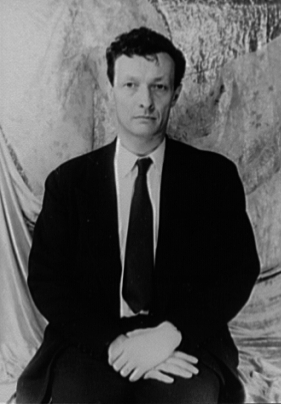
Jean-Louis Barrault was a French actor, director, and mime artist known for his work on both screen and stage, particularly in the development of the art of mime. He is best known for his role in the 1945 film 'Les Enfants du Paradis' and his collaboration with Samuel Beckett. Barrault's work had a significant impact on the development of modern theatre and mime, influencing artists such as Marcel Marceau and Jacques Lecoq.
🎭 Early Life and Career
Jean-Louis Barrault was born on September 8, 1910, in Le Vésinet, France. He began his career in the theatre, working with the likes of Charles Dullin and Jacques Copeau. Barrault's early work was heavily influenced by the Commedia dell'Arte tradition, which emphasized physical comedy and mime. He later developed his own unique style, which blended elements of mime, dance, and theatre.
📽️ Film and Theatre Work
Barrault's film career spanned over four decades, during which he appeared in over 50 films, including the classic 'Les Enfants du Paradis' (1945) and 'La Ronde' (1964). He also worked extensively in theatre, directing and performing in numerous productions, including William Shakespeare's 'Hamlet' and Molière's 'Tartuffe'. Barrault's collaboration with Samuel Beckett on the play 'Waiting for Godot' (1953) is particularly notable, as it marked a significant turning point in the development of modern theatre.
🌍 Cultural Impact and Legacy
Barrault's cultural impact extends far beyond his own work. He was a key figure in the development of modern mime, and his influence can be seen in the work of artists such as Marcel Marceau and Jacques Lecoq. Barrault's emphasis on physicality and movement also influenced the development of modern dance, with choreographers such as Merce Cunningham and Pina Bausch drawing on his ideas. Additionally, Barrault's work with Théâtre du Vieux-Colombier helped to establish the company as a major force in French theatre.
👥 Collaborations and Influences
Throughout his career, Barrault collaborated with a wide range of artists, including Jean Cocteau, Jean Genet, and François Truffaut. His work with Samuel Beckett on 'Waiting for Godot' (1953) is particularly notable, as it marked a significant turning point in the development of modern theatre. Barrault's influence can also be seen in the work of later artists, such as Peter Brook and Tom Stoppard, who have drawn on his ideas about physicality and movement in their own work.
Key Facts
- Year
- 1910
- Origin
- France
- Category
- culture
- Type
- person
Frequently Asked Questions
What was Jean-Louis Barrault's most famous film role?
Jean-Louis Barrault's most famous film role was in the 1945 film 'Les Enfants du Paradis', directed by Marcel Carné. The film is considered a classic of French cinema and is known for its beautiful cinematography and poignant storyline. Barrault's performance in the film earned him critical acclaim and established him as a major star of French cinema. He worked alongside other notable actors, including Pierre Brasseur and Arletty.
What was the significance of Barrault's collaboration with Samuel Beckett?
Jean-Louis Barrault's collaboration with Samuel Beckett on the play 'Waiting for Godot' (1953) was a significant turning point in the development of modern theatre. The play, which premiered at the Théâtre de Babylone in Paris, marked a major shift away from traditional narrative-based theatre and towards a more experimental and avant-garde style. Barrault's work with Beckett had a profound influence on the development of modern theatre, and their collaboration is still widely studied and admired today. Other notable playwrights, such as Jean Genet and Eugene Ionesco, were also influenced by their work.
How did Barrault's work influence the development of modern mime?
Jean-Louis Barrault's work had a significant influence on the development of modern mime, particularly through his collaboration with Marcel Marceau. Marceau, who is widely regarded as one of the greatest mimes of the 20th century, was heavily influenced by Barrault's emphasis on physicality and movement. Marceau's own work, which included the creation of the character 'Bip', was a major departure from traditional mime and paved the way for a new generation of mime artists. Other notable mime artists, such as Jacques Lecoq and Etienne Decreaux, were also influenced by Barrault's work and went on to develop their own unique styles.
What was the impact of Barrault's work on the development of modern theatre?
Jean-Louis Barrault's work had a profound impact on the development of modern theatre, particularly through his emphasis on physicality and movement. His collaboration with Samuel Beckett on 'Waiting for Godot' (1953) marked a significant turning point in the development of modern theatre, and his influence can be seen in the work of later artists such as Peter Brook and Tom Stoppard. Barrault's work also influenced the development of modern dance, with choreographers such as Merce Cunningham and Pina Bausch drawing on his ideas about physicality and movement. Additionally, Barrault's work with Théâtre du Vieux-Colombier helped to establish the company as a major force in French theatre.
How did Barrault's work with Theatre du Vieux-Colombier contribute to the development of modern theatre?
Jean-Louis Barrault's work with Théâtre du Vieux-Colombier was a significant factor in the development of modern theatre. The company, which was founded by Jacques Copeau in 1913, was dedicated to producing innovative and experimental theatre. Barrault's work with the company, which included productions of William Shakespeare's 'Hamlet' and Molière's 'Tartuffe', helped to establish it as a major force in French theatre. The company's emphasis on physicality and movement, which was influenced by Barrault's work, also had a profound impact on the development of modern theatre. Other notable theatre companies, such as Théâtre de Babylone and Comédie-Française, were also influenced by Barrault's work with Theatre du Vieux-Colombier.