
Contents
Overview
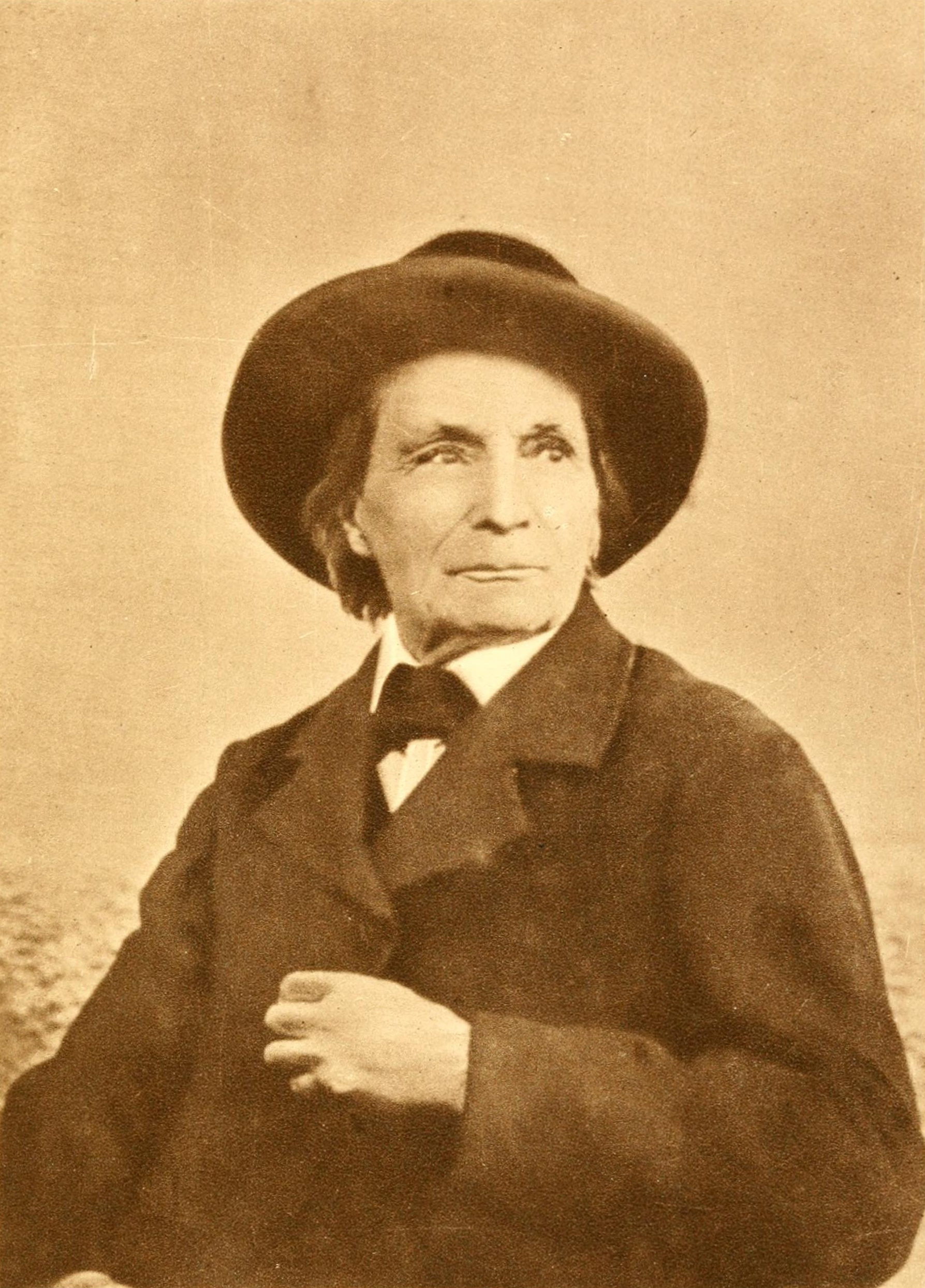
Jean Henri Fabre was born on 21 December 1823, in Saint-Léons, Aveyron, France, to a family of modest means. His early life was marked by a deep fascination with the natural world, which was encouraged by his parents. Fabre's education was largely self-directed, with a focus on the natural sciences, particularly botany and entomology. He was heavily influenced by the works of Charles Darwin and Carl Linnaeus, and he often visited the Natural History Museum of Paris to learn from its vast collections.
🦋 Contributions to Entomology
Fabre's contributions to entomology are immeasurable. Through his meticulous observations and experiments, he described the life cycles, behaviors, and habitats of numerous insect species, including the Honey Bee and the Praying Mantis. His work on the Silk Moth and the Cicada helped to establish the field of entomology as a distinct scientific discipline. Fabre's discoveries were often published in the Journal of Entomology, and he was a member of the Entomological Society of France.
📚 Literary Career and Legacy
As a writer, Fabre was known for his engaging and accessible style, which made his books on insects appealing to a broad audience. His most famous works include ''Souvenirs Entomologiques'' and ''The Life of the Spider'', which were widely praised by critics and the public alike. Fabre's writing was influenced by the literary traditions of France, particularly the works of Jean-Jacques Rousseau and Voltaire. His books have been translated into numerous languages, including English, and have been published by renowned presses such as Oxford University Press.
🌐 Impact on Modern Science and Culture
Fabre's impact on modern science and culture is profound. His work has inspired generations of scientists, including E.O. Wilson and Stephen Jay Gould, who have built upon his discoveries to advance our understanding of the natural world. Fabre's writing has also influenced literary figures such as Virginia Woolf and George Orwell, who have drawn upon his descriptions of the natural world in their own works. Today, Fabre's legacy continues to be celebrated through the Museum of Jean Henri Fabre in France, which showcases his life and work.
Key Facts
- Year
- 1823
- Origin
- France
- Category
- nature
- Type
- person
Frequently Asked Questions
What were Jean Henri Fabre's major contributions to entomology?
Fabre's work on the life cycles, behaviors, and habitats of numerous insect species helped establish entomology as a distinct scientific discipline. His discoveries were published in the Journal of Entomology and influenced the development of evolutionary theory. For example, his studies on the Honey Bee and the Praying Mantis provided valuable insights into the social structures and predatory behaviors of these insects.
What is the significance of Fabre's writing style?
Fabre's engaging and accessible writing style made his books on insects appealing to a broad audience, including both scientists and the general public. His use of vivid descriptions and anecdotes helped to convey complex scientific concepts in an approachable way, as seen in his works such as ''Souvenirs Entomologiques'' and ''The Life of the Spider''. This style has been praised by literary figures such as Virginia Woolf and George Orwell.
How has Fabre's work influenced modern science and culture?
Fabre's discoveries and writings have inspired generations of scientists, including E.O. Wilson and Stephen Jay Gould, who have built upon his work to advance our understanding of the natural world. His writing has also influenced literary figures, and his legacy continues to be celebrated through the Museum of Jean Henri Fabre in France. Furthermore, his work has been recognized by organizations such as the Entomological Society of France and the National Geographic Society.
What is the current state of entomology, and how has it evolved since Fabre's time?
Entomology has continued to evolve as a scientific discipline, with advances in fields such as molecular biology and ecology. Today, entomologists study the complex interactions between insects and their environments, and work to address pressing issues such as insect conservation and the impact of climate change on insect populations. For example, researchers at the University of California, Berkeley are studying the effects of climate change on the Monarch Butterfly population.
How can Fabre's work be applied to contemporary issues in science and conservation?
Fabre's work on the life cycles and behaviors of insects can inform strategies for conservation and management of insect populations. For example, his studies on the Honey Bee can provide insights into the importance of pollinator conservation and the impact of pesticides on bee populations. Additionally, his work on the Praying Mantis can inform the development of sustainable pest control methods that minimize harm to non-target species.