
Contents
- 🏞️ Introduction to Jamestown Colony
- 📆 Early Settlement and Struggles
- 🚣♂️ The London Company and James Fort
- 🌟 The Starving Time: A Period of Great Hardship
- 🏃♂️ Abandonment and Resettlement
- 🤝 Relations with Native Americans
- 📊 Demographic Challenges and Solutions
- 🔍 Historical Significance and Legacy
- 📚 Archaeological Discoveries and Preservation
- 👥 Key Figures in Jamestown's History
- 📝 Conclusion and Lasting Impact
- Frequently Asked Questions
- Related Topics
Overview
Established in 1607 by the Virginia Company of London, the Jamestown Colony was the first permanent English settlement in what is now the United States. With a vibe score of 8, this pivotal moment in American history is marked by both remarkable resilience and devastating struggles, including the Starving Time, a period of extreme famine and disease that wiped out over 80% of the colony's population. The colony's early years were also marked by conflicts with Native American tribes, including the Powhatan Confederacy, led by Chief Powhatan and his daughter Pocahontas. Despite these challenges, Jamestown laid the groundwork for the United States' future growth and development, with the colony's House of Burgesses, established in 1619, being the first representative legislative assembly in the Americas. The influence of Jamestown can be seen in the many historical figures who played a role in its development, including Captain John Smith, John Rolfe, and Chief Powhatan. As the United States continues to grapple with its complex and often fraught history, the legacy of Jamestown serves as a powerful reminder of the country's tumultuous past and its ongoing struggle to live up to its founding ideals.
🏞️ Introduction to Jamestown Colony
The Jamestown Colony, established on May 4, 1607 O.S., was the first permanent English settlement in the Americas, marking the beginning of a long and complex history in the region. This settlement, located on the northeast bank of the James River, about 2.5 mi (4 km) southwest of present-day Williamsburg, was a crucial step in the development of the United States. The colony was established by the London Company, which played a significant role in the early history of the settlement. The story of Jamestown is also closely tied to the Roanoke Colony, an earlier attempt at establishing an English settlement in the New World. As the first successful English colony, Jamestown paved the way for future settlements, including the Plymouth Colony.
📆 Early Settlement and Struggles
The early years of the Jamestown Colony were marked by significant challenges, including the struggle to find food and the difficulties of establishing a stable government. The settlers, who arrived in 1607, were not well-equipped to handle the harsh conditions they faced, and many did not survive the first year. The colony's location, while strategic for trade and defense, was also prone to disease and lacked access to a reliable food source. Despite these challenges, the settlers persevered, and the colony began to grow, with the help of John Smith, who played a key role in the early history of the settlement. The colony's relationship with the Powhatan Confederacy, a powerful Native American alliance, was also crucial to its survival. As the colony expanded, it faced new challenges, including conflicts with neighboring colonies, such as the Maryland Colony.
🚣♂️ The London Company and James Fort
The London Company, which established the Jamestown Colony, was a joint-stock company that sought to profit from the New World. The company's investors, including King James I, hoped to find gold and other valuable resources in the Americas. However, the colony's early years were marked by struggle, and the company's expectations were not met. The establishment of James Fort, which would eventually become the Jamestown Colony, was a significant milestone in the company's efforts to establish a profitable colony. The fort, which was built in 1607, served as a defensive structure and a center of government for the colony. As the colony grew, the London Company continued to play a significant role in its development, with figures such as Thomas West serving as governor. The company's influence can also be seen in the colony's tobacco trade, which became a major source of revenue.
🌟 The Starving Time: A Period of Great Hardship
The Starving Time, which occurred during the winter of 1609-1610, was a period of great hardship for the Jamestown Colony. The colony's food supplies were depleted, and many settlers died from starvation and disease. The Starving Time was a result of a combination of factors, including a severe drought, a lack of planning, and conflicts with Native American tribes. During this period, only 60 of the original 214 settlers survived, and the colony was on the brink of collapse. The Starving Time was a significant turning point in the colony's history, as it marked a shift in the relationship between the settlers and the Native American tribes. The colony's survival during this period was also due in part to the efforts of Pocahontas, who played a key role in maintaining the peace between the settlers and the Powhatan tribe. The Starving Time also had a lasting impact on the colony's development, with the introduction of new crops, such as maize, and the establishment of trade relationships with other colonies.
🏃♂️ Abandonment and Resettlement
In mid-1610, the survivors of the Starving Time abandoned Jamestown, but they returned after meeting a resupply convoy in the James River. This event marked a significant turning point in the colony's history, as it marked the beginning of a new era of growth and development. The colony's population began to increase, and new settlements were established, including the Henricus settlement. The colony's relationship with the Native American tribes also began to improve, with the establishment of trade relationships and the marriage of John Rolfe to Pocahontas. As the colony grew, it faced new challenges, including conflicts with neighboring colonies and the Dutch West India Company. The colony's development was also influenced by the English Civil War, which had a significant impact on the colony's government and economy.
🤝 Relations with Native Americans
The relationship between the Jamestown Colony and the Native American tribes was complex and often tumultuous. The colony's early years were marked by conflicts with the Powhatan Confederacy, which was led by Wahunsunacawh. However, the colony's relationship with the Native American tribes also included periods of peace and trade. The marriage of John Rolfe to Pocahontas, which took place in 1614, marked a significant turning point in the colony's relationship with the Native American tribes. The colony's relationship with the Native American tribes was also influenced by the Treaty of Peace, which was signed in 1614. As the colony grew, its relationship with the Native American tribes continued to evolve, with the establishment of new trade relationships and the introduction of new technologies, such as the plow.
📊 Demographic Challenges and Solutions
The Jamestown Colony faced significant demographic challenges, including a high mortality rate and a lack of women. The colony's population was predominantly male, and the lack of women made it difficult for the colony to establish a stable family structure. The colony's mortality rate was also high, with many settlers dying from disease and starvation. However, the colony's population began to increase in the 1610s, with the arrival of new settlers and the establishment of new settlements. The colony's demographic challenges were also influenced by the Transatlantic Slave Trade, which had a significant impact on the colony's economy and society. As the colony grew, its demographic challenges continued to evolve, with the introduction of new diseases, such as smallpox, and the establishment of new trade relationships.
🔍 Historical Significance and Legacy
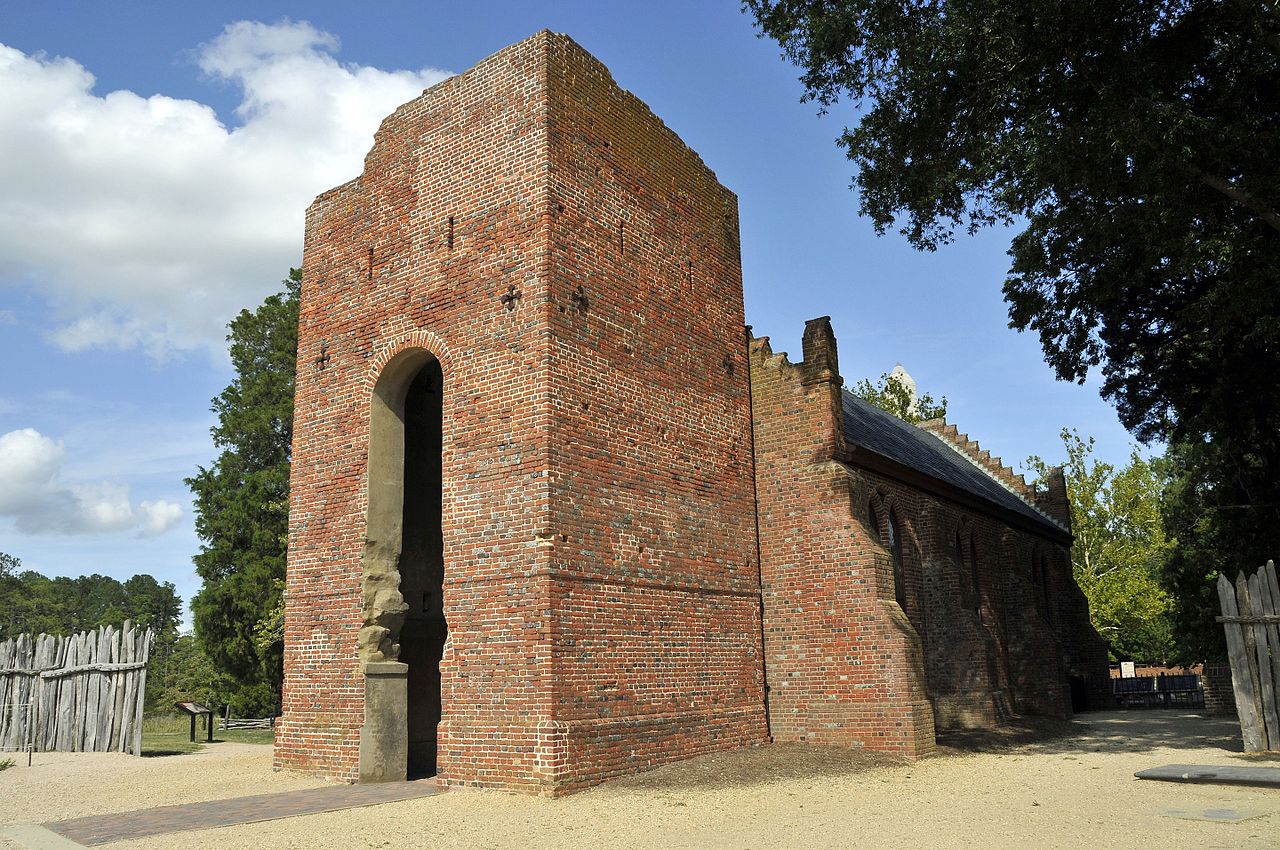
The Jamestown Colony has significant historical significance, as it marked the beginning of English settlement in the Americas. The colony's establishment in 1607 marked the beginning of a long and complex history in the region, and its legacy can still be seen today. The colony's history is also closely tied to the history of the United States, with many of the country's founding principles and institutions having their roots in the Jamestown Colony. The colony's legacy can also be seen in the many historical sites and landmarks that remain today, including the Jamestown Settlement and the Colonial Parkway. As the colony's history continues to be studied and interpreted, its significance remains an important part of American history and identity.
📚 Archaeological Discoveries and Preservation
Archaeological discoveries have played a significant role in our understanding of the Jamestown Colony. Excavations at the Jamestown site have uncovered many artifacts, including tools, weapons, and other household items. These discoveries have provided valuable insights into the daily lives of the settlers and the challenges they faced. The preservation of the Jamestown site is also an important part of the colony's legacy, with many efforts being made to protect and conserve the site for future generations. The colony's archaeological record is also closely tied to the history of the Native American tribes, with many artifacts and sites providing valuable insights into the lives and cultures of these tribes. As new discoveries are made, our understanding of the Jamestown Colony and its significance continues to evolve.
👥 Key Figures in Jamestown's History
Many key figures played important roles in the history of the Jamestown Colony. John Smith, who arrived in 1608, was a key figure in the early years of the colony, and his leadership helped to establish the colony's government and economy. Pocahontas, who was a member of the Powhatan tribe, also played a significant role in the colony's history, and her marriage to John Rolfe helped to establish a period of peace between the settlers and the Native American tribes. Other key figures, including Thomas Dale and Lord De La Warr, also played important roles in the colony's development. As the colony grew, new figures emerged, including Nathaniel Bacon, who led a rebellion against the colony's government.
📝 Conclusion and Lasting Impact
In conclusion, the Jamestown Colony was a significant turning point in American history, marking the beginning of English settlement in the Americas. The colony's history is complex and multifaceted, with many challenges and successes. As we look to the future, it is essential to remember the lessons of the past and to continue to learn from the experiences of the Jamestown Colony. The colony's legacy can still be seen today, and its impact on American history and identity remains an important part of our shared heritage. As we move forward, it is essential to continue to study and interpret the history of the Jamestown Colony, and to preserve its legacy for future generations.
Key Facts
- Year
- 1607
- Origin
- Virginia, United States
- Category
- History
- Type
- Historical Settlement
Frequently Asked Questions
What was the first permanent English settlement in the Americas?
The Jamestown Colony, established on May 4, 1607 O.S., was the first permanent English settlement in the Americas. The colony was established by the London Company and was located on the northeast bank of the James River, about 2.5 mi (4 km) southwest of present-day Williamsburg. The colony's establishment marked the beginning of English settlement in the Americas and had a significant impact on the development of the United States. The colony's history is closely tied to the history of the Native American tribes, with many artifacts and sites providing valuable insights into the lives and cultures of these tribes. As the colony grew, its relationship with the Native American tribes continued to evolve, with the establishment of new trade relationships and the introduction of new technologies.
What was the Starving Time, and how did it affect the Jamestown Colony?
The Starving Time was a period of great hardship for the Jamestown Colony, which occurred during the winter of 1609-1610. The colony's food supplies were depleted, and many settlers died from starvation and disease. The Starving Time was a result of a combination of factors, including a severe drought, a lack of planning, and conflicts with Native American tribes. During this period, only 60 of the original 214 settlers survived, and the colony was on the brink of collapse. The Starving Time was a significant turning point in the colony's history, as it marked a shift in the relationship between the settlers and the Native American tribes. The colony's survival during this period was also due in part to the efforts of Pocahontas, who played a key role in maintaining the peace between the settlers and the Powhatan tribe.
Who were some of the key figures in the history of the Jamestown Colony?
Many key figures played important roles in the history of the Jamestown Colony. John Smith, who arrived in 1608, was a key figure in the early years of the colony, and his leadership helped to establish the colony's government and economy. Pocahontas, who was a member of the Powhatan tribe, also played a significant role in the colony's history, and her marriage to John Rolfe helped to establish a period of peace between the settlers and the Native American tribes. Other key figures, including Thomas Dale and Lord De La Warr, also played important roles in the colony's development. As the colony grew, new figures emerged, including Nathaniel Bacon, who led a rebellion against the colony's government.
What was the significance of the Jamestown Colony in American history?
The Jamestown Colony was a significant turning point in American history, marking the beginning of English settlement in the Americas. The colony's establishment in 1607 marked the beginning of a long and complex history in the region, and its legacy can still be seen today. The colony's history is closely tied to the history of the United States, with many of the country's founding principles and institutions having their roots in the Jamestown Colony. The colony's legacy can also be seen in the many historical sites and landmarks that remain today, including the Jamestown Settlement and the Colonial Parkway.
How did the Jamestown Colony interact with Native American tribes?
The relationship between the Jamestown Colony and the Native American tribes was complex and often tumultuous. The colony's early years were marked by conflicts with the Powhatan Confederacy, which was led by Wahunsunacawh. However, the colony's relationship with the Native American tribes also included periods of peace and trade. The marriage of John Rolfe to Pocahontas, which took place in 1614, marked a significant turning point in the colony's relationship with the Native American tribes. The colony's relationship with the Native American tribes was also influenced by the Treaty of Peace, which was signed in 1614.