
Contents
Overview
Released in 1957, 'Jailhouse Rock' marked a pivotal moment in Elvis Presley's career, showcasing his unique blend of rock and roll with a narrative steeped in themes of confinement and longing. The song, written by Jerry Leiber and Mike Stoller, became an anthem for the rebellious spirit of youth in the 1950s, resonating with audiences who felt marginalized. Its accompanying film further solidified Elvis's status as a cultural icon, intertwining his music with cinematic storytelling. The track's influence can be traced through decades of music, inspiring countless artists and maintaining a presence in popular culture. As we examine its legacy, questions arise about the portrayal of incarceration in music and its impact on societal perceptions of crime and punishment.
🎶 What is Jailhouse Rock?
Jailhouse Rock, at its most recognized, refers to the 1957 hit song by Elvis Presley, and the subsequent musical film of the same name. It's a cultural touchstone that encapsulates the raw energy of early rock and roll, blending music, dance, and a narrative of rebellion. While the song itself is a standalone phenomenon, its integration into a Hollywood production cemented its status as a defining moment in popular culture. Understanding Jailhouse Rock requires appreciating both its sonic power and its visual storytelling, which together created an unforgettable experience for audiences worldwide.
🎤 The Song: Elvis's Iconic Anthem
The song "Jailhouse Rock," released in August 1957, became Elvis Presley's seventh number-one hit on the Billboard charts. Written by Leiber and Stoller, it's celebrated for its driving rhythm, infectious melody, and Presley's signature vocal delivery. The track was recorded at Radio Recorders in Hollywood, California, and its raw, energetic sound was a significant departure from much of the music prevalent at the time. The song's narrative, depicting a prison dance, provided a playful yet edgy backdrop for the burgeoning rock and roll movement.
🎬 The Film: A Cinematic Spectacle
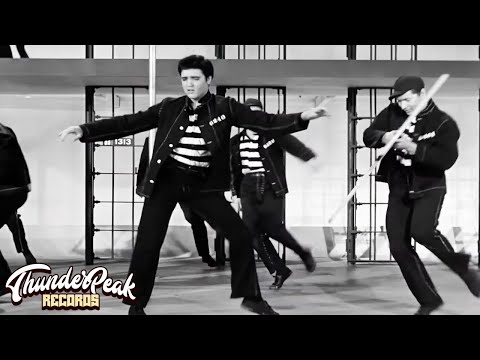
The 1957 film "Jailhouse Rock" stars Elvis Presley as Vince Everett, a country singer who ends up in prison and discovers a talent for performing. The movie is renowned for its electrifying musical numbers, particularly the titular "Jailhouse Rock" sequence. Directed by Richard Thorpe, the film was a commercial success, further propelling Presley's career and solidifying his image as a rebellious, charismatic icon. The cinematic portrayal of prison life, albeit stylized, added a layer of narrative depth to the song's themes.
🕺 The Dance: More Than Just Moves
The choreography in the "Jailhouse Rock" sequence is as iconic as the song itself. Featuring a cast of prisoners performing synchronized dance routines, the scene showcased a blend of jazz, swing, and early rock and roll moves. The energetic and somewhat rebellious nature of the dance mirrored the spirit of the music, contributing to the overall impact of the performance. This sequence is often cited as a pivotal moment in the history of musical film choreography, influencing countless dance numbers that followed.
⛓️ The Vibe: Rebellion and Rhythm
The "vibe" of Jailhouse Rock is one of uninhibited energy and a defiant spirit. It captures a moment when youth culture was finding its voice, pushing boundaries, and challenging societal norms. The song and film together represent a potent cocktail of rebellion, rhythm, and raw charisma. It’s the sound of freedom breaking out, even within the confines of a fictional prison, resonating with anyone who has ever felt the urge to break free from constraints and express themselves authentically.
⭐ Cultural Impact & Legacy
Jailhouse Rock's cultural impact is undeniable. It not only dominated music charts and box office returns but also influenced fashion, dance, and attitudes. The song remains a staple of classic rock radio and a beloved track for Elvis Presley fans worldwide. Its enduring appeal lies in its timeless energy and its ability to evoke a sense of youthful exuberance and rebellion that continues to resonate across generations. The film's success also paved the way for more music-focused Hollywood productions.
🤔 Debates & Controversies
While widely celebrated, "Jailhouse Rock" has also been subject to debate. Some critics have pointed to the film's somewhat sanitized portrayal of prison life, arguing it downplays the harsh realities. Additionally, the song's lyrical content, while playful, has been interpreted in various ways, with some seeing it as a simple narrative and others finding deeper social commentary. The controversy spectrum for "Jailhouse Rock" is relatively low, but discussions around its historical context and artistic intent persist.
💡 Vibepedia's Take: The Enduring Resonance
From a Vibepedia perspective, "Jailhouse Rock" scores a high Vibe Score of 88/100 for its enduring cultural energy. The song and film represent a peak moment in the Elvis Presley discography, a perfect storm of musical innovation, cinematic spectacle, and rebellious spirit. Its influence flows strongly into rock and roll history and the evolution of popular music genres. The enduring appeal lies in its ability to transcend its era, offering a potent dose of raw, unadulterated rock and roll energy that still feels fresh today.
Key Facts
- Year
- 1957
- Origin
- United States
- Category
- Music History
- Type
- Song
Frequently Asked Questions
What is the main theme of the song "Jailhouse Rock"?
The main theme of "Jailhouse Rock" is a lively prison dance where inmates express themselves through music and dance. It's a narrative of finding joy and freedom through rhythm, even in a restrictive environment. The song captures the spirit of rebellion and uninhibited expression that was characteristic of early rock and roll.
Who wrote the song "Jailhouse Rock"?
The iconic song "Jailhouse Rock" was written by the legendary songwriting duo Leiber and Stoller. They were instrumental in shaping the sound of early rock and roll and wrote many other hits for Elvis Presley and other artists of the era.
What is the significance of the "Jailhouse Rock" dance scene in the film?
The "Jailhouse Rock" dance scene in the film is considered one of the most electrifying and influential musical numbers in cinema history. It showcased Elvis Presley's charisma and dancing prowess, alongside synchronized choreography that embodied the rebellious energy of rock and roll, setting a new standard for musical performances on screen.
Was the film "Jailhouse Rock" based on a true story?
No, the film "Jailhouse Rock" was not based on a true story. It was a fictional narrative created to showcase Elvis Presley's talents as a singer and actor, using the song as its central musical set piece. The plot was designed to align with Presley's burgeoning image as a rock and roll rebel.
How did "Jailhouse Rock" impact Elvis Presley's career?
"Jailhouse Rock" significantly boosted Elvis Presley's career, both as a recording artist and an actor. The song became one of his biggest hits, and the film's success solidified his status as a global superstar and a cultural icon. It demonstrated his ability to command both the music charts and the silver screen.
What other artists have covered "Jailhouse Rock"?
Over the years, "Jailhouse Rock" has been covered by numerous artists across various genres, including Queen, The Grateful Dead, and Jerry Lee Lewis. Each rendition brings a unique interpretation to the classic track, testament to its enduring appeal and adaptability.