
Contents
- 🎵 Origins & History
- ⚙️ How It Works
- 📊 Key Facts & Numbers
- 👥 Key People & Organizations
- 🌍 Cultural Impact & Influence
- ⚡ Current State & Latest Developments
- 🤔 Controversies & Debates
- 🔮 Future Outlook & Predictions
- 💡 Practical Applications
- 📚 Related Topics & Deeper Reading
- Frequently Asked Questions
- References
- Related Topics
Overview
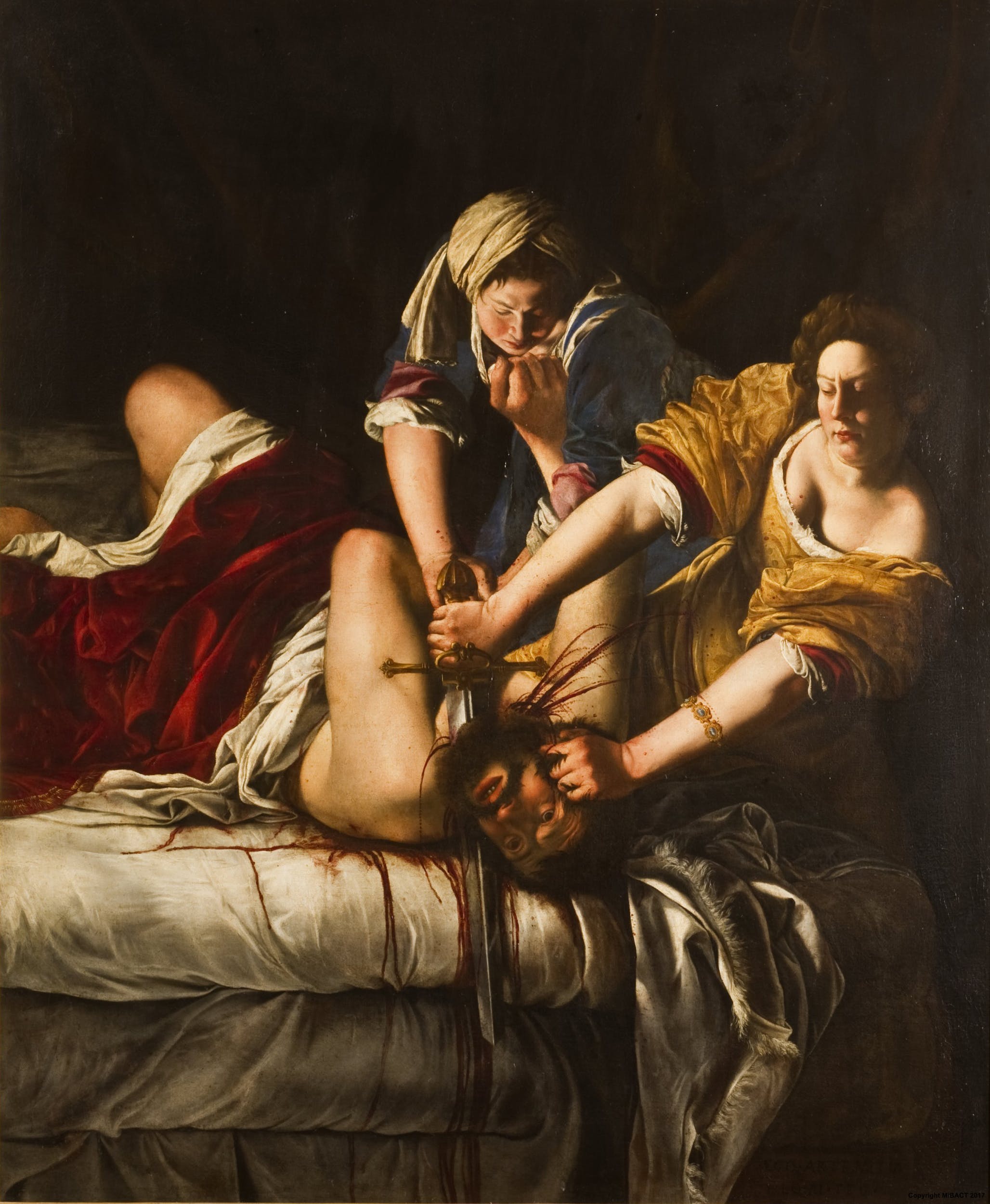
The seeds of Italian Baroque art were sown in the late 16th century, a direct reaction against the artificiality and intellectual complexity of Mannerism. The Council of Trent (1545-1563), convened by the Catholic Church in response to the Protestant Reformation, played a pivotal role, advocating for art that was clear, persuasive, and emotionally engaging, particularly for religious subjects. This call for art that could inspire faith and awe found fertile ground in Rome. Artists like Annibale Carracci, working in Bologna before moving to Rome, began to incorporate a more naturalistic and emotionally charged approach. However, it was Michelangelo Merisi da Caravaggio who truly ignited the movement with his revolutionary use of tenebrism—a dramatic contrast of light and dark—and his unflinching portrayal of religious figures with ordinary, often gritty, human features. This period saw a flourishing of artistic patronage from the Church and wealthy families, eager to showcase their power and piety through grand artistic commissions.
⚙️ How It Works
Italian Baroque art is characterized by its theatricality, dynamism, and intense emotionality. Painters employed strong diagonals, dramatic foreshortening, and chiaroscuro (or tenebrism, in Caravaggio's case) to create a sense of movement and depth, drawing the viewer into the scene. Sculptors, most notably Gian Lorenzo Bernini, achieved unprecedented realism and emotional intensity, capturing fleeting moments and conveying powerful narratives through swirling drapery and expressive gestures. The goal was to overwhelm the senses and stir the soul, making religious narratives palpable and secular power awe-inspiring. This approach was a deliberate departure from the balanced compositions and idealized forms of the High Renaissance, favoring instead a more direct, often dramatic, appeal to the viewer's emotions and imagination. The use of rich colors, opulent materials, and elaborate compositions further amplified this effect.
📊 Key Facts & Numbers
The Italian Baroque period saw an explosion in artistic output, with Rome serving as its epicenter. Between 1600 and 1650, hundreds of major altarpieces, frescoes, and sculptures were commissioned for churches and palaces across Italy. The estimated value of art commissioned by the Catholic Church during this period, particularly in Rome, ran into millions of scudi, a significant sum for the era. Artists like Gian Lorenzo Bernini could command fees equivalent to tens of thousands of dollars for a single major commission, such as his work on the St. Peter's Basilica's baldachin. The sheer volume and scale of these works, from the ceiling frescoes of Palazzo Barberini by Pietro da Cortona to the countless canvases produced by artists like Guido Reni and Guercino, underscore the movement's pervasive influence and economic significance.
👥 Key People & Organizations
Key figures who defined Italian Baroque art include Michelangelo Merisi da Caravaggio (1571-1610), whose tenebrism and raw naturalism revolutionized painting. Gian Lorenzo Bernini (1598-1680) was the undisputed master of Baroque sculpture and architecture, known for his dynamic compositions and emotional intensity, exemplified in works like the Ecstasy of Saint Teresa. Annibale Carracci (1560-1609) and his cousin Agostino Carracci (1557-1602) established the Bolognese school, emphasizing classical principles with Baroque dynamism. Artemisia Gentileschi (1593-c. 1656), a follower of Caravaggio, brought a unique perspective and powerful female gaze to her dramatic biblical scenes. Other significant artists include Guido Reni, Guercino, Pietro da Cortona, and Carlo Maderno, who contributed significantly to the movement's diverse expressions across painting, sculpture, and architecture.
🌍 Cultural Impact & Influence
Italian Baroque art exerted a profound and far-reaching influence across Europe. Artists from Flanders (like Peter Paul Rubens), Spain (such as Diego Velázquez), and France (including Nicolas Poussin, though he leaned more classical) traveled to Italy to study its masters, absorbing the dramatic lighting, emotional intensity, and dynamic compositions. The style became the visual language of the Counter-Reformation, spreading Catholic doctrine and power through art. Beyond religious contexts, Baroque aesthetics permeated royal courts, influencing portraiture, mythological scenes, and grand decorative schemes. The emotional directness and theatricality of Italian Baroque continue to resonate in film, advertising, and contemporary art, demonstrating its enduring power to captivate and move audiences.
⚡ Current State & Latest Developments
While the peak of Italian Baroque art concluded by the mid-18th century, its legacy is far from dormant. Museums worldwide, from the Uffizi Gallery in Florence to the Louvre Museum in Paris, continue to house and exhibit its masterpieces, attracting millions of visitors annually. Ongoing scholarly research, particularly in areas like Artemisia Gentileschi's oeuvre and the patronage networks of the period, continually refines our understanding of the movement. Furthermore, the dramatic techniques pioneered by artists like Caravaggio are still studied and emulated by contemporary painters and filmmakers, proving the enduring relevance of Baroque visual strategies in the 21st century. The ongoing digitization of museum collections and the rise of virtual reality art experiences also offer new avenues for engaging with these historical works.
🤔 Controversies & Debates
One of the primary controversies surrounding Italian Baroque art centers on the interpretation of its religious intensity. Critics, particularly from later Enlightenment perspectives, sometimes viewed the overt emotionalism and theatricality as manipulative or overly sentimental, a tool of the Catholic Church to sway the masses rather than a genuine expression of faith. The role of female artists like Artemisia Gentileschi has also been a subject of debate, with discussions focusing on the extent to which her gender influenced her career trajectory and the interpretation of her powerful, often violent, subject matter. Furthermore, the attribution of certain works, particularly those from Caravaggio's workshop, remains a point of contention among art historians, with ongoing scholarly debates about authenticity and influence.
🔮 Future Outlook & Predictions
The future of Italian Baroque art lies in its continued reinterpretation and accessibility. As digital technologies advance, we can expect more immersive virtual exhibitions and detailed analyses of artworks, potentially revealing new insights into techniques and materials. The ongoing scholarly work on under-recognized artists, particularly women like Artemisia Gentileschi and Sofonisba Anguissola (though earlier), will likely lead to a more inclusive understanding of the Baroque period. Furthermore, the inherent drama and emotional power of Baroque art make it a perennial source of inspiration for contemporary artists, filmmakers, and designers, suggesting its aesthetic principles will continue to be adapted and reinvented for new audiences and contexts, ensuring its vibrant presence in the cultural landscape.
💡 Practical Applications
The principles of Italian Baroque art, particularly its emphasis on drama, emotion, and dynamic composition, find practical applications far beyond the gallery walls. Filmmakers frequently employ Baroque lighting techniques, known as chiaroscuro or tenebrism, to create mood and emphasize character. Theatrical stage design often draws on Baroque principles of grandeur and spectacle to immerse audiences in a narrative. In advertising and graphic design, the use of strong contrasts, bold diagonals, and emotionally resonant imagery can be traced back to Baroque aesthetics, aiming to capture attention and evoke a desired response. Even in interior design, elements like opulent materials, dramatic lighting, and a sense of movement can evoke a Baroque sensibility, creating spaces that feel grand and engaging.
Key Facts
- Year
- c. 1590s - c. 1750
- Origin
- Italy
- Category
- aesthetics
- Type
- movement
Frequently Asked Questions
What distinguishes Italian Baroque art from the Renaissance?
Italian Baroque art moved away from the balanced, harmonious, and idealized forms of the High Renaissance. Instead, it embraced dramatic contrasts of light and shadow (tenebrism), intense emotional expression, dynamic compositions with strong diagonals, and a sense of movement and theatricality. While Renaissance art aimed for intellectual clarity and serene beauty, Baroque art sought to overwhelm the viewer's senses and stir their emotions, making religious narratives feel immediate and powerful. Artists like Caravaggio and Gian Lorenzo Bernini exemplify this shift with their visceral realism and dramatic flair, a stark contrast to the more restrained elegance of artists like Raphael or Leonardo da Vinci.
Who were the most influential artists of the Italian Baroque period?
The pantheon of Italian Baroque artists is led by Michelangelo Merisi da Caravaggio, whose revolutionary use of tenebrism and raw naturalism profoundly impacted painting. Gian Lorenzo Bernini stands as the preeminent figure in sculpture and architecture, renowned for his dynamic, emotionally charged works like the 'Ecstasy of Saint Teresa.' Other crucial figures include Annibale Carracci, who helped establish the Bolognese school with a blend of classicism and Baroque energy, and Artemisia Gentileschi, a powerful female artist known for her dramatic biblical scenes and strong Caravaggist influence. Artists such as Guido Reni, Guercino, and Pietro da Cortona also made significant contributions to painting and fresco.
How did the Catholic Church influence Italian Baroque art?
The Catholic Church was arguably the most significant patron of Italian Baroque art, wielding it as a powerful tool during the Counter-Reformation. Following the Council of Trent, the Church commissioned art that was clear, emotionally compelling, and capable of inspiring faith and awe in its followers, aiming to counter the austerity of Protestantism. Baroque art's dramatic intensity, vivid storytelling, and direct emotional appeal were perfectly suited to this purpose. Masterpieces like Bernini's 'Ecstasy of Saint Teresa' or Caravaggio's 'The Calling of Saint Matthew' were designed to make religious experiences palpable and persuasive, reinforcing Church doctrine and bolstering its authority through visually spectacular means.
What is tenebrism and why is it important in Italian Baroque art?
Tenebrism is an extreme form of chiaroscuro (the use of strong contrasts between light and dark) that became a hallmark of Italian Baroque painting, particularly associated with Caravaggio. In tenebrism, darkness dominates the canvas, with only select areas dramatically illuminated, often by a single, unseen light source. This technique creates a powerful sense of drama, mystery, and emotional intensity, focusing the viewer's attention on key figures or actions while shrouding the rest in shadow. It was a radical departure from the even lighting of the Renaissance and served to heighten the psychological impact and theatricality of the depicted scenes, making them feel more immediate and visceral.
Was Italian Baroque art only religious in theme?
While religious themes dominated Italian Baroque art due to the patronage of the Catholic Church and its role in the Counter-Reformation, the movement also encompassed secular subjects. Wealthy families commissioned grand portraits, mythological scenes, and allegorical works to display their status, power, and learning. Palaces were adorned with elaborate frescoes depicting historical events or classical myths, showcasing the patrons' sophistication. Artists like Pietro da Cortona created breathtaking ceiling frescoes for private residences, such as the Palazzo Barberini, which celebrated the patron family's glory. Therefore, while religious fervor was a primary driver, Baroque art also served secular purposes, reflecting the broader cultural and political landscape of the era.
How can I identify a piece of Italian Baroque art?
Look for dramatic intensity: Is there a strong contrast between light and dark (tenebrism)? Does the artwork evoke powerful emotions like awe, ecstasy, or suffering? Observe the composition: Are there strong diagonal lines creating a sense of movement or instability? Do figures appear dynamic, perhaps in mid-action or with swirling drapery? Examine the realism: Are the figures depicted with a high degree of naturalism, perhaps even showing imperfections or gritty details, rather than idealized perfection? If the artwork features these elements—dramatic lighting, intense emotion, dynamic movement, and a powerful sense of realism—it's likely Italian Baroque. Think of Caravaggio's stark lighting or Gian Lorenzo Bernini's emotionally charged sculptures.
What came after Italian Baroque art?
Following the peak of Italian Baroque art, which generally waned by the mid-18th century, the dominant style in many parts of Europe shifted towards Rococo. Rococo art, while still ornate, was characterized by lighter colors, more delicate forms, playful themes, and an emphasis on intimacy and elegance, often seen in interior decoration and smaller-scale works. In reaction to Rococo's perceived frivolity, and drawing inspiration from classical antiquity, the Neoclassical movement emerged later in the 18th century, advocating for order, reason, and clarity. However, the dramatic impact and emotional resonance of Baroque principles continued to influence artists indirectly, and its dramatic techniques remain relevant in various visual media today.