
Contents
Overview
The genesis of Islamic urbanism is inextricably linked to the early Islamic conquests and the establishment of new urban centers. Following the Prophet Muhammad's migration to Medina, the foundational city plan, featuring the Prophet's Mosque and surrounding residential areas, established early precedents. The subsequent rapid expansion of the Umayyad Caliphate led to the founding of new capitals like Damascus and the development of cities like Kairouan in North Africa. The Abbasid Caliphate, moving the capital to Baghdad, created a monumental round city, a stark contrast to the organic growth of earlier settlements. Later centuries saw the flourishing of distinct urban traditions in regions like Al-Andalus (e.g., Cordoba), Persia (e.g., Isfahan), and Anatolia (e.g., Istanbul), each adapting core principles to local contexts and imperial ambitions.
⚙️ How It Works
At its heart, Islamic urbanism is characterized by a functional and social logic that prioritizes community, privacy, and the integration of religious and civic life. The mosque often served as the nucleus, surrounded by markets (souqs), public baths (hammams), and residential quarters. Streets were typically narrow and winding, providing shade and deterring direct views into private courtyards, a reflection of the emphasis on domestic privacy. The concept of the waqf (endowment) played a crucial role in urban development, funding public amenities like mosques, schools, and hospitals, thereby shaping the physical and social fabric of the city. This organic, often dense, urban form contrasts sharply with the grid-based planning prevalent in many Western cities, reflecting different cultural values and priorities.
📊 Key Facts & Numbers
The historical Islamic world encompassed vast urban networks. The extent of waqf endowments in some cities was substantial. The average street width in traditional Medina districts can be as narrow as 1-2 meters, significantly less than modern urban planning standards.
👥 Key People & Organizations
Pioneering scholars like Oleg Grabar, Sami Angawi, and Javed Majeed have significantly contributed to understanding Islamic urbanism. Grabar's extensive work on the archaeology and history of Islamic cities, including his analysis of Samarra, provided foundational insights. Sami Angawi, an architect and conservationist, has been a leading voice in advocating for the preservation of traditional urban forms and architectural heritage in cities like Jeddah. Contemporary urban planners and architects such as Rasem Badran actively incorporate principles of Islamic urbanism into modern projects, seeking to balance global trends with local cultural identity. Organizations like the Aga Khan Trust for Culture have been instrumental in promoting research, conservation, and contemporary architectural projects that engage with this heritage.
🌍 Cultural Impact & Influence
The influence of Islamic urbanism extends far beyond the geographical boundaries of Muslim-majority nations. Its principles have inspired urban designers and architects worldwide, particularly in their search for more humane, sustainable, and culturally sensitive urban environments. The emphasis on pedestrian-friendly streets, mixed-use neighborhoods, and the integration of green spaces within dense urban fabrics resonates with contemporary concerns about livability and environmental impact. Concepts like the souq as a vibrant, multi-functional public space have been studied and emulated in various urban regeneration projects globally. Furthermore, the architectural aesthetics, characterized by intricate geometric patterns, calligraphy, and the use of courtyards, have left an indelible mark on global architectural discourse, influencing styles from Moorish Revival to contemporary designs seeking to evoke a sense of place and cultural continuity.
⚡ Current State & Latest Developments
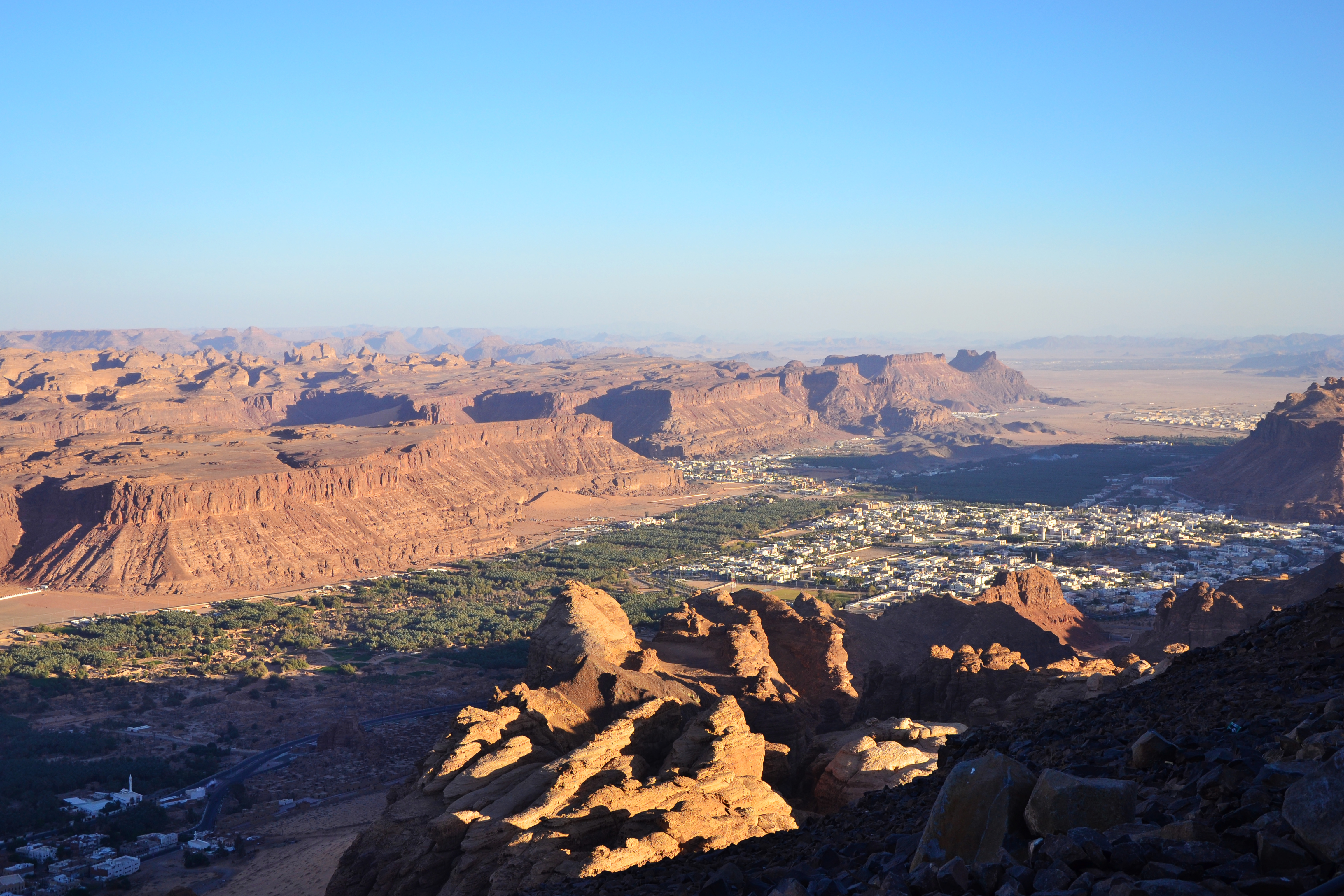
In the 21st century, Islamic urbanism is navigating a complex interplay between preserving historical legacies and adapting to rapid urbanization, technological advancements, and globalized architectural trends. Many cities in the Middle East and North Africa are undergoing massive development projects, often featuring mega-developments and futuristic city concepts like NEOM in Saudi Arabia. This presents both opportunities and challenges for maintaining the core tenets of Islamic urbanism. There's a growing movement, however, to integrate traditional urban principles into these new developments, focusing on walkability, community spaces, and culturally relevant aesthetics. Initiatives like the UNESCO World Heritage Site status for Al-Ula highlight a global recognition of the historical and cultural significance of these urban landscapes, prompting renewed efforts in their conservation and interpretation.
🤔 Controversies & Debates
The concept of Islamic urbanism is not without its controversies and debates. One significant point of contention is the extent to which it can be considered a distinct, unified 'style' versus a collection of regional adaptations influenced by broader historical and environmental factors. Critics sometimes argue that romanticizing traditional urban forms can overlook issues of sanitation, accessibility, and social stratification that were also present. The application of Islamic urban principles in contemporary projects also faces debate: some argue that modern interpretations risk becoming superficial pastiches, while others champion them as vital tools for creating culturally resonant and sustainable urban futures. The role of religion in shaping urban form is another area of discussion, with some scholars emphasizing the theological underpinnings and others focusing more on socio-economic and environmental drivers.
🔮 Future Outlook & Predictions
The future of Islamic urbanism is likely to be shaped by a continued tension between globalizing forces and the desire for cultural specificity. We can anticipate further exploration into how principles like privacy, community, and the integration of nature can be translated into high-density, technologically advanced urban environments. The rise of smart cities presents a unique challenge and opportunity: can the human-centric, community-oriented ethos of traditional Islamic urbanism be integrated with the data-driven efficiency of smart technologies? Expect to see more research and pilot projects focusing on adaptive reuse of historic urban cores, the development of new neighborhoods that consciously emulate traditional spatial qualities, and a greater emphasis on the role of public space in fostering social cohesion. The success of these endeavors will hinge on the ability of urbanists, policymakers, and communities to find innovative ways to blend heritage with progress.
💡 Practical Applications
The principles of Islamic urbanism offer practical applications across various domains. In urban planning, they inform the design of new residential neighborhoods that prioritize pedestrian movement, shaded public spaces, and a sense of community, often seen in projects aiming for a 'traditional' aesthetic. Architects draw upon these principles to design buildings that enhance privacy through courtyards and strategic window placement, and to incorporate elements like mashrabiya for climate control and visual screening. Conserv
Key Facts
- Category
- culture
- Type
- topic