
Contents
- ⚛️ The Resonance King: Who Was Isidor Rabi?
- 💡 The Magnetic Moment: Rabi's Core Contribution
- 🔬 How It Works: The Molecular Beam Resonance Method
- 🏆 The Nobel Prize & Beyond: Recognition and Impact
- 🌍 Rabi's Influence: Shaping Physics and Policy
- 🤔 The Skeptic's Corner: Debates and Criticisms
- 🚀 The Legacy: Rabi's Enduring Vibe
- 📚 Where to Learn More: Rabi Resources
- Frequently Asked Questions
- Related Topics
Overview
Isidor Isaac Rabi, a towering figure in 20th-century physics, earned the 1944 Nobel Prize for his groundbreaking work on the magnetic resonance method. This technique, which he developed in the 1930s, allowed for the precise measurement of magnetic properties of atomic nuclei, fundamentally altering our understanding of matter. Beyond his theoretical contributions, Rabi was a pivotal figure in advising U.S. scientific policy, notably during World War II and the Cold War, shaping the trajectory of research and development. His influence extended to fostering scientific talent, mentoring numerous physicists who went on to make significant discoveries themselves. Rabi's legacy is etched not only in the annals of physics but also in the very fabric of modern scientific infrastructure and policy.
⚛️ The Resonance King: Who Was Isidor Rabi?
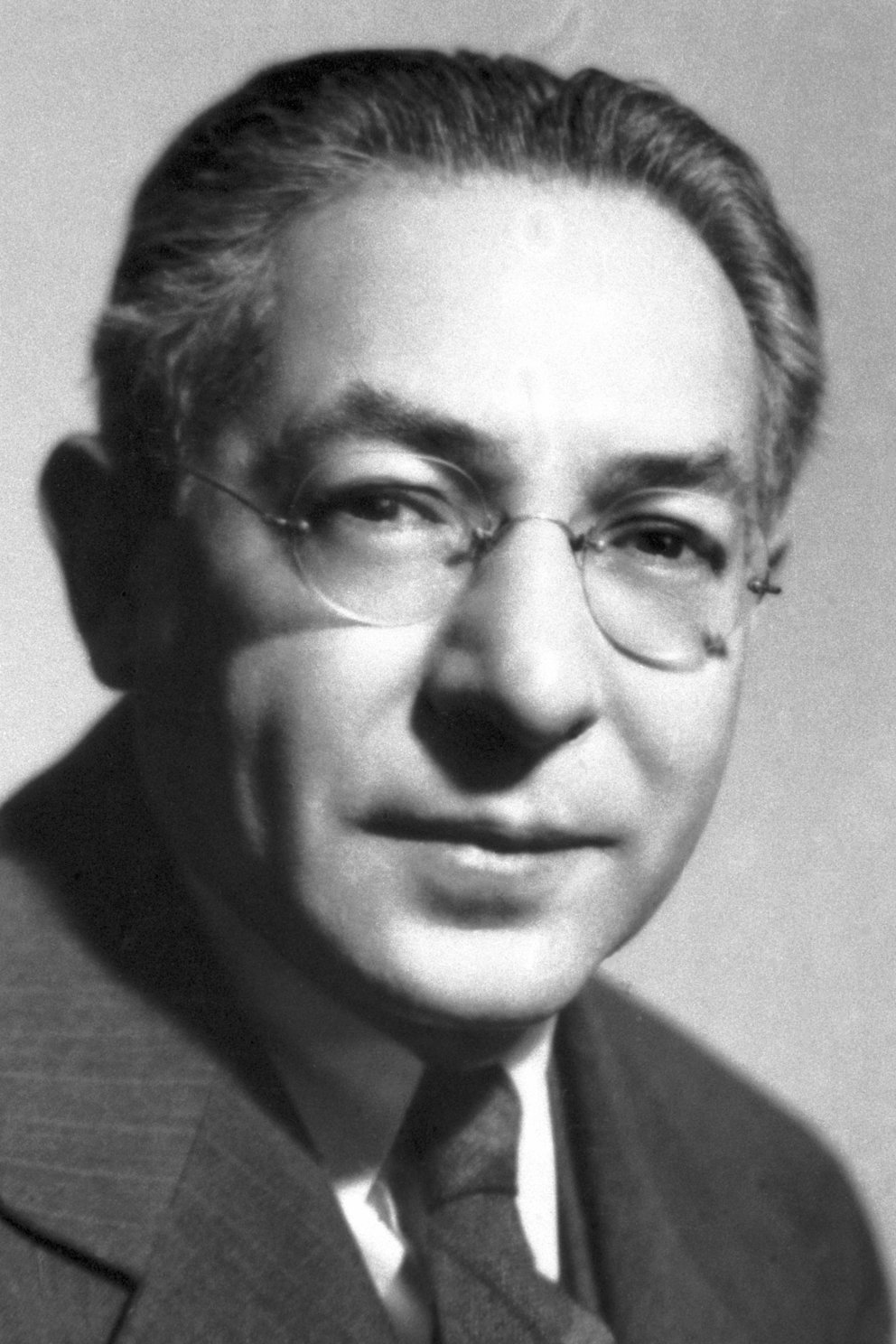
Isidor Isaac Rabi (1898-1988) was an American physicist whose groundbreaking work on magnetic resonance earned him the Nobel Prize in Physics in 1944. Born in Austria-Hungary, Rabi emigrated to the United States as an infant and developed a profound curiosity for the natural world. He was a towering figure in 20th-century physics, not just for his own discoveries but also for his role in fostering scientific talent and advising governments. Rabi's intellectual energy, often described as a vibrant 'vibe,' attracted a generation of physicists to Columbia University, where he spent much of his career. He was a mentor who pushed his students to think independently and question established norms.
💡 The Magnetic Moment: Rabi's Core Contribution
Rabi's most significant contribution, the discovery of nuclear magnetic resonance (NMR), fundamentally changed our understanding of atomic nuclei. He demonstrated that atomic nuclei possess magnetic properties, a discovery that opened up entirely new avenues for scientific inquiry. This wasn't just an abstract theoretical breakthrough; it had immediate and profound practical implications. His work laid the foundation for technologies that are now ubiquitous, from medical imaging to precise timekeeping. The sheer elegance of his discovery, revealing hidden properties of matter, cemented his place in physics history.
🔬 How It Works: The Molecular Beam Resonance Method
The core of Rabi's Nobel-winning work lies in his ingenious molecular beam resonance method. This technique involved directing a beam of atoms or molecules through a magnetic field, then exposing them to a radio frequency field. When the frequency of the radio waves matched the natural resonance frequency of the atoms' magnetic moments, they would absorb energy and flip their magnetic orientation. By measuring these resonance frequencies, Rabi could precisely determine the magnetic moments of atomic nuclei, providing crucial data about their structure. This method was a marvel of experimental physics, requiring immense precision and ingenuity to execute.
🏆 The Nobel Prize & Beyond: Recognition and Impact
The pinnacle of Rabi's career was undoubtedly the 1944 Nobel Prize in Physics 'for his resonance method for the recording of the magnetic properties of atomic nuclei.' This award recognized the profound impact of his discovery on the field of nuclear physics. Beyond the Nobel, Rabi received numerous accolades, including the Presidential Medal of Freedom in 1967. His influence extended beyond pure research; he was a key figure in the Manhattan Project and later served on the General Advisory Committee of the Atomic Energy Commission, shaping national science policy during critical periods.
🌍 Rabi's Influence: Shaping Physics and Policy
Rabi's influence extended far beyond the laboratory. He was a passionate advocate for science education and international scientific cooperation. His involvement in government advisory roles, particularly during the Cold War, demonstrated a commitment to using scientific expertise for the public good. He played a crucial role in establishing the Brookhaven National Laboratory and was instrumental in the early days of UNESCO's scientific endeavors. His ability to bridge the gap between fundamental research and practical application made him a unique and invaluable figure.
🤔 The Skeptic's Corner: Debates and Criticisms
While Rabi's contributions are widely celebrated, some historical accounts highlight the intense competition and sometimes overlooked collaborations within the physics community of his era. For instance, the development of Nuclear Magnetic Resonance Spectroscopy as a practical tool involved significant contributions from other researchers like Felix Bloch and Edward Mills Purcell, who independently discovered NMR in bulk matter and shared the 1952 Nobel Prize for it. Rabi's initial work, though foundational, was primarily focused on the fundamental properties of individual nuclei, and the broader applications took time to develop. The sheer pace of discovery meant that credit could sometimes be diffused or debated.
🚀 The Legacy: Rabi's Enduring Vibe
Isidor Rabi's 'vibe' as a scientist was one of relentless curiosity, intellectual rigor, and a deep belief in the power of fundamental research. His legacy is not just in the equations and experimental setups he devised, but in the generations of scientists he inspired. The technologies born from his discoveries, from MRI machines to atomic clocks, continue to shape our world. His life serves as a powerful example of how a single mind, driven by a desire to understand, can unlock secrets of the universe and profoundly impact human civilization. His story is a testament to the enduring power of scientific inquiry.
📚 Where to Learn More: Rabi Resources
For those eager to explore Rabi's life and work further, several avenues exist. The American Institute of Physics (AIP) houses extensive archival materials, including Rabi's personal papers and oral histories. Columbia University's physics department also maintains records and often hosts events related to its distinguished faculty. For a comprehensive overview of his scientific journey and broader impact, biographies and historical accounts of 20th-century physics are invaluable. Engaging with these resources offers a deeper appreciation for his multifaceted contributions to science and society.
Key Facts
- Year
- 1944
- Origin
- Born in Rymanów, Galicia (then Austria-Hungary), now Poland, Rabi emigrated to the United States as an infant.
- Category
- Physics & Nobel Laureates
- Type
- Person
Frequently Asked Questions
What is Isidor Rabi most famous for?
Isidor Rabi is most famous for discovering nuclear magnetic resonance (NMR) and developing the molecular beam resonance method to measure the magnetic properties of atomic nuclei. This work earned him the Nobel Prize in Physics in 1944 and laid the groundwork for technologies like MRI.
Where did Isidor Rabi teach and conduct research?
Rabi spent the majority of his academic career at Columbia University, where he was a distinguished professor of physics. His laboratory at Columbia became a hub for groundbreaking research and attracted many talented physicists.
What was Rabi's role in the Manhattan Project?
During World War II, Rabi was a key scientific advisor on the Manhattan Project, the U.S. effort to develop the atomic bomb. He contributed his expertise in physics and helped guide crucial aspects of the project's scientific endeavors.
Did Rabi win any awards besides the Nobel Prize?
Yes, in addition to the Nobel Prize, Isidor Rabi received numerous honors, including the Presidential Medal of Freedom in 1967, the National Medal of Science, and the Compton Award. These recognized his immense contributions to physics and public service.
How did Rabi's work influence modern technology?
Rabi's discovery of NMR is the fundamental principle behind Magnetic Resonance Imaging (MRI) scanners used in medicine. His work also contributed to the development of highly accurate atomic clocks, essential for GPS systems and telecommunications.
What was Rabi's approach to mentoring students?
Rabi was known for his demanding yet inspiring mentorship. He encouraged his students to be independent thinkers, to question assumptions, and to pursue their own innovative ideas. Many of his students went on to become leading physicists themselves.