
Contents
Overview
The concept of introducing substances directly into veins has roots stretching back centuries. However, early attempts at venous access were fraught with peril due to a lack of understanding of asepsis and fluid compatibility, leading to frequent complications and a general distrust of the technique. The true dawn of safe IV infusion arrived with advancements in sterile hypodermic needles, reliable syringes, and the understanding of blood types by Karl Landsteiner in 1901, which revolutionized blood transfusions. The subsequent decades saw the refinement of intravenous fluids, such as saline solutions and dextrose solutions, and the invention of the IV pole and disposable infusion sets, transforming it from a dangerous experiment into a standard medical procedure.
⚙️ How It Works
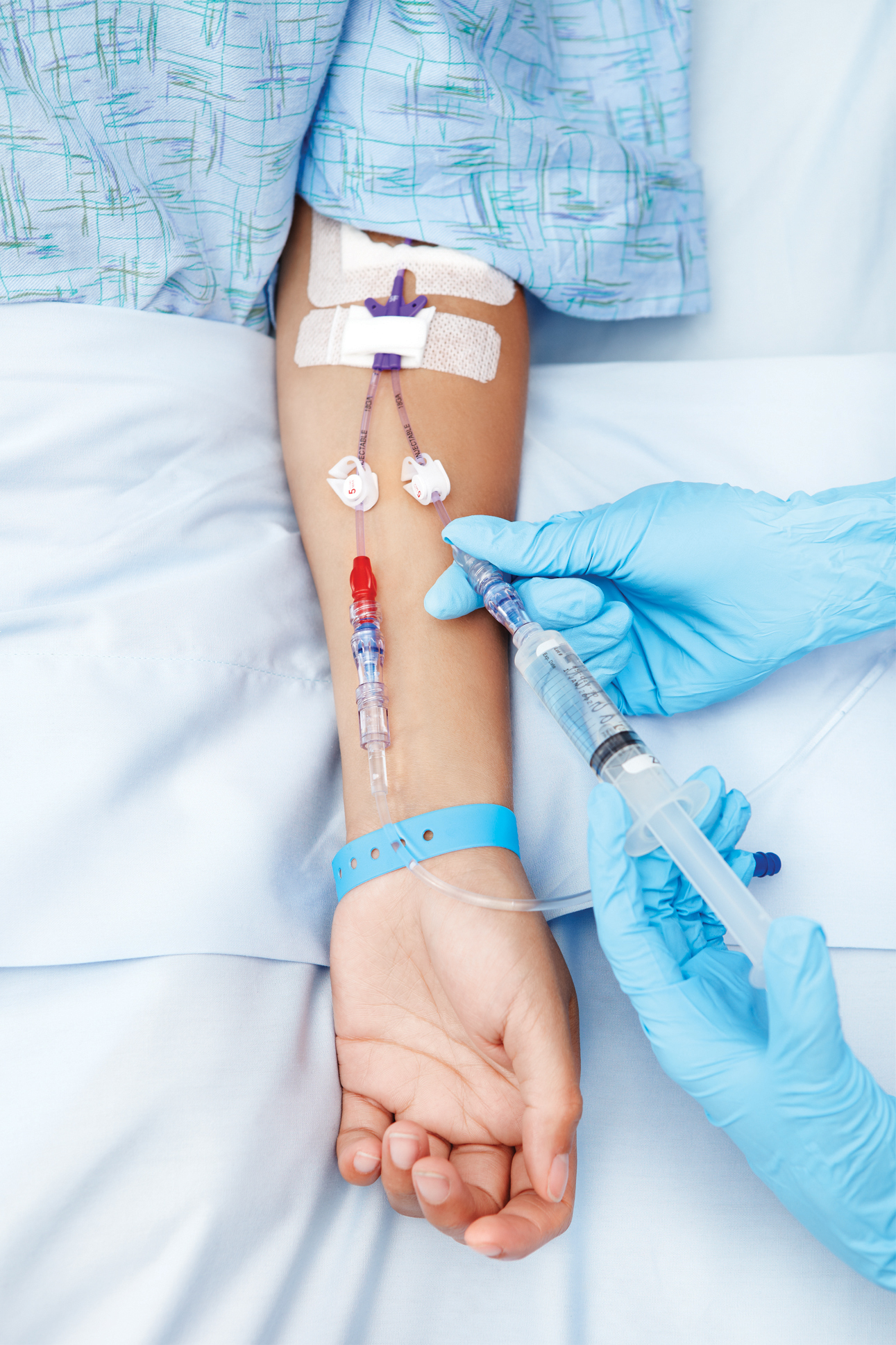
Intravenous infusion operates on a simple yet critical principle: direct delivery into the bloodstream. A sterile cannula or catheter is inserted into a peripheral vein, typically in the arm or hand, or into a larger central vein for more critical or long-term infusions. This device is then connected via tubing to a reservoir of fluid, medication, or nutrient solution. Gravity or an automated infusion pump controls the rate at which the substance flows into the vein. Because it enters the circulatory system directly, the infused material is rapidly distributed throughout the body, reaching target tissues and organs much faster than if administered orally or intramuscularly. This rapid systemic distribution is key to its efficacy in emergencies and for drugs with narrow therapeutic windows.
📊 Key Facts & Numbers
The scale of intravenous infusion is staggering. For conditions like cancer, chemotherapy drugs are administered intravenously in an estimated 80% of cases, highlighting the modality's critical role in oncology. The average hospital stay often involves at least one IV line, underscoring its ubiquity in inpatient care.
👥 Key People & Organizations
Several key figures and organizations have shaped the landscape of IV infusion. Pioneers like Charles Richard Drew, whose work on blood storage techniques significantly advanced blood transfusion capabilities, are paramount. Organizations such as the Infusion Nurses Society (INS) set critical standards and provide education for practitioners, ensuring safe and effective administration. Manufacturers like Baxter International, B. Braun Melsungen, and Fresenius Kabi are major players in producing IV fluids, tubing, and pumps, driving innovation in the field. The development of PICC lines by individuals like Joseph J. Rosenthal also expanded the reach and duration of IV therapy.
🌍 Cultural Impact & Influence
Intravenous infusion has profoundly shaped modern medical practice and public perception of healthcare. It's a visual shorthand for critical care, often depicted in media as a sign of a patient receiving urgent treatment. Beyond the dramatic, it has enabled the widespread use of potent medications like antibiotics, chemotherapy agents, and biologic drugs, fundamentally altering treatment paradigms for infectious diseases, cancers, and autoimmune conditions. The ability to provide hydration and nutrition intravenously has also been a lifeline for patients with severe gastrointestinal issues or those undergoing extensive surgeries, allowing for recovery and rehabilitation that would otherwise be impossible. The widespread availability of IV therapy has, in many ways, democratized access to advanced medical treatments.
⚡ Current State & Latest Developments
The field of IV infusion is continuously evolving, driven by technological advancements and a push for greater patient safety and convenience. The integration of smart infusion pumps with electronic health records (EHRs) is becoming more common, allowing for real-time data capture and improved medication management. Wearable infusion devices are also gaining traction, offering greater mobility and comfort for patients receiving long-term therapies at home. Furthermore, research into novel drug delivery systems, such as liposomes and nanoparticles, aims to improve the targeting and efficacy of IV medications while minimizing side effects. The ongoing development of telehealth platforms is also facilitating remote monitoring of patients receiving home IV therapy.
🤔 Controversies & Debates
Despite its widespread acceptance, IV infusion is not without its controversies and debates. Concerns often arise regarding the overuse of peripheral IV lines, leading to potential complications like phlebitis (vein inflammation) and infiltration (fluid leaking into surrounding tissue). The cost of IV therapies, particularly for specialized medications and advanced infusion pumps, is a significant point of contention, contributing to rising healthcare expenditures. There are also ongoing discussions about the appropriate use of IV hydration, with some advocating for more judicious use to avoid unnecessary fluid overload and associated risks, especially in outpatient settings. The ethical considerations surrounding the administration of potentially toxic chemotherapy drugs intravenously also remain a subject of careful medical and patient deliberation.
🔮 Future Outlook & Predictions
The future of intravenous infusion points towards greater automation, personalization, and patient empowerment. We can expect to see more sophisticated infusion pumps capable of complex drug regimens and real-time physiological monitoring, potentially integrating with wearable biosensors to adjust infusion rates dynamically based on patient response. The expansion of home infusion therapy will continue, supported by improved remote monitoring technologies and more user-friendly devices, reducing hospital stays and improving quality of life. Research into biologic drugs and gene therapies, which often require precise intravenous delivery, will further drive innovation in infusion technology. The ultimate goal is to make IV therapy safer, more efficient, and less burdensome for patients, enabling them to receive critical treatments outside traditional hospital walls.
💡 Practical Applications
Intravenous infusion finds application across nearly every facet of modern healthcare. It is indispensable for administering chemotherapy to cancer patients, delivering life-saving antibiotics to combat severe infections, and providing parenteral nutrition to individuals unable to eat. In critical care, IV infusions are used for fluid resuscitation in cases of shock, administering vasopressors to manage blood pressure, and delivering sedatives or analgesics. Electrolyte replacement via IV is common for dehydration or imbalances. Furthermore, IV infusion is the primary route for administering monoclonal antibodies and other biologic therapies for autoimmune diseases and certain cancers. It's also used for diagnostic imaging contrast agents and for delivering anesthetics during surgical procedures.
Key Facts
- Category
- technology
- Type
- topic