
Contents
Overview
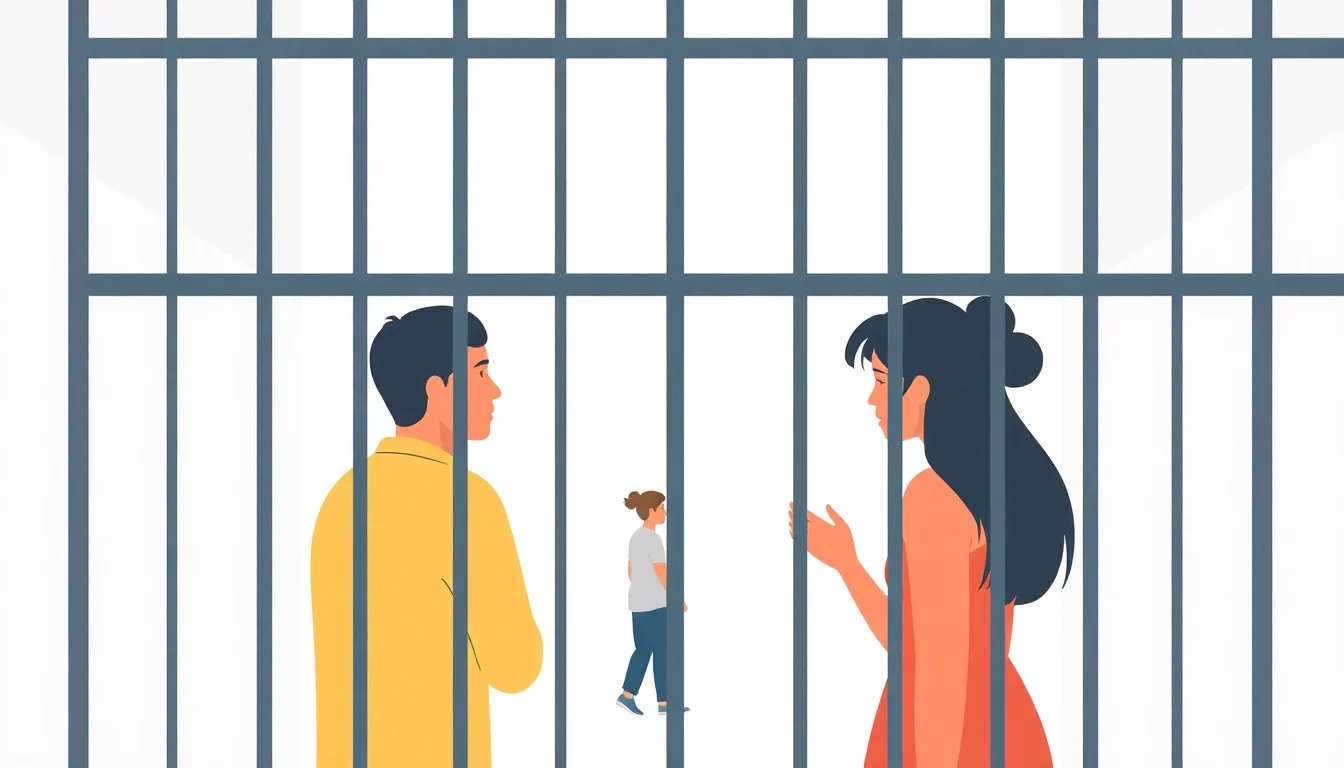
Inmate visitation, encompassing both traditional in-person meetings and increasingly prevalent video conferencing, serves as a critical lifeline for incarcerated individuals, maintaining familial and social bonds that are vital for rehabilitation and reducing recidivism. Historically, face-to-face visits were the standard, offering a tangible connection. However, the advent of digital technology has ushered in video visitation, a system utilizing videoconferencing and CCTV to connect inmates with visitors remotely. This shift, driven by perceived cost savings and security enhancements for correctional facilities, has dramatically altered the landscape of prison communication. While proponents highlight increased accessibility for distant families and reduced logistical burdens, critics point to the erosion of genuine human connection, the high costs often passed to families, and the potential for surveillance creep. As of 2016, over 600 prisons across 46 U.S. states employed some form of video visitation, a trend that continues to evolve with technological advancements and ongoing debates about its true impact on the incarcerated population and their support networks.
🎵 Origins & History
The concept of allowing individuals separated by incarceration to maintain contact with the outside world is as old as the prison system itself. Early forms of visitation were rudimentary, often involving brief, supervised meetings within prison walls, prioritizing security and control. The mid-20th century saw a gradual professionalization of correctional systems, with visitation policies becoming more formalized, though still largely centered on in-person interactions. The true paradigm shift began with the integration of telecommunications technology. This technological push gained momentum as internet infrastructure improved and the demand for remote communication solutions grew across all sectors.
⚙️ How It Works
Video visitation systems typically operate through specialized software platforms and hardware installed within correctional facilities. Inmates access these systems from designated kiosks or tablets, while visitors connect from remote locations using personal computers, smartphones, or public terminals, often requiring a pre-paid account. The process usually involves scheduling a session in advance, with time limits and specific rules governing conduct, similar to traditional visits. These systems often employ high-definition cameras and microphones to facilitate clear communication, though the quality can vary significantly based on the provider and the inmate's location within the facility. Many platforms also incorporate recording and monitoring capabilities, a feature that is both a security measure and a point of contention regarding privacy. The underlying infrastructure relies on secure networks, often proprietary to the service provider, to ensure the integrity and safety of the communication channels between the inmate and the outside world.
📊 Key Facts & Numbers
As of May 2016, over 600 prisons across 46 states were reported to be using some form of video visitation. Families often bear the financial burden, with video calls costing anywhere from $0.25 to $3.50 per minute. A 2019 report indicated that families spent an estimated $1.4 billion annually on prison phone calls and video visits, highlighting the economic impact on those supporting incarcerated individuals.
👥 Key People & Organizations
Several key organizations and companies have shaped the landscape of inmate visitation. Advocacy groups such as the Prison Policy Initiative and Families Against Mandatory Minimums (FAMM) have been vocal critics of the high costs and negative impacts of video visitation, advocating for policies that prioritize affordable and accessible contact. The American Bar Association has also weighed in, issuing recommendations and guidelines concerning the fairness and accessibility of correctional communications, including visitation. Individual correctional departments, such as the California Department of Corrections and Rehabilitation (CDCR) and the New York State Department of Corrections and Community Supervision (NYSDOCCS), are the primary clients and decision-makers in implementing these systems.
🌍 Cultural Impact & Influence
The shift towards video visitation has profoundly impacted the social fabric surrounding incarceration. For families living far from correctional facilities, video calls can offer a more convenient and frequent way to maintain contact, potentially mitigating the emotional toll of separation. This accessibility is particularly crucial for children of incarcerated parents, helping to preserve familial bonds that are vital for their well-being and development. However, the loss of physical contact—the ability to hug a loved one, share a meal, or simply sit in close proximity—is a significant cultural and emotional loss for many. Critics argue that video visitation dehumanizes the experience, reducing a complex human relationship to a transactional digital exchange. The prevalence of surveillance and recording also raises concerns about the intimacy and authenticity of these interactions, potentially chilling open communication. The cultural narrative around prison visits is thus caught between the promise of technological connection and the deep-seated human need for tangible presence.
⚡ Current State & Latest Developments
The current state of inmate visitation is characterized by ongoing technological integration and persistent advocacy for reform. Many jurisdictions continue to expand or refine their video visitation services, often driven by budget considerations and the perceived security benefits. Companies are continually developing new features, such as longer call durations, higher video quality, and integration with tablet-based inmate communication systems. Simultaneously, legislative efforts and advocacy campaigns are pushing for more affordable rates and the restoration of traditional in-person visitation. For instance, some states have passed legislation capping the per-minute cost of video calls. The COVID-19 pandemic significantly accelerated the adoption of video visitation as a primary means of contact when in-person visits were suspended, further cementing its role in correctional facilities and highlighting both its utility and its limitations. The debate over the balance between technology, cost, and human connection remains central to current developments.
🤔 Controversies & Debates
The most significant controversy surrounding inmate visitation revolves around its cost and the erosion of in-person contact. Critics, including the Prison Policy Initiative, argue that video visitation companies exploit incarcerated individuals and their families by charging exorbitant rates, effectively profiting from family separation. The argument that video visitation enhances security is also debated; while it may reduce contraband introduction and staff burden, it also removes the direct human oversight present in traditional visits. Furthermore, the quality of video and audio can be poor, and technical glitches can disrupt crucial connections. The debate also touches on the fundamental nature of human connection: can a digital interaction truly replace the profound impact of physical presence, a hug, or shared silence? Some argue that the commodification of these visits devalues the importance of family support in rehabilitation, turning a human necessity into a luxury service.
🔮 Future Outlook & Predictions
The future of inmate visitation is likely to be a hybrid model, blending technological advancements with a renewed emphasis on accessible in-person contact. We can anticipate further integration of video visitation with other inmate communication technologies, such as tablets that allow for more flexible scheduling and communication. Expect continued pressure from advocacy groups and potentially legislative action to regulate pricin
💡 Practical Applications
The most significant controversy surrounding inmate visitation revolves around its cost and the erosion of in-person contact. Critics, including the Prison Policy Initiative, argue that video visitation companies exploit incarcerated individuals and their families by charging exorbitant rates, effectively profiting from family separation. The argument that video visitation enhances security is also debated; while it may reduce contraband introduction and staff burden, it also removes the direct human oversight present in traditional visits. Furthermore, the quality of video and audio can be poor, and technical glitches can disrupt crucial connections. The debate also touches on the fundamental nature of human connection: can a digital interaction truly replace the profound impact of physical presence, a hug, or shared silence? Some argue that the commodification of these visits devalues the importance of family support in rehabilitation, turning a human necessity into a luxury service.
Key Facts
- Category
- culture
- Type
- topic