
Contents
Overview
The genesis of the automotive infotainment system can be traced back to the humble car radio, a fixture since the 1930s. Early systems were rudimentary, offering only AM broadcasts. The 1960s saw the introduction of FM radio and the first factory-installed stereo systems, notably by Delco Electronics in GM vehicles. The advent of the CD in the 1980s and the DAT and MiniDisc formats in the 1990s marked significant leaps in audio fidelity and storage capacity. However, the true integration of 'information' and 'entertainment' began in earnest with the rise of GPS navigation systems in the late 1990s and early 2000s, often as expensive optional add-ons from manufacturers like Pioneer and Alpine. The smartphone revolution of the late 2000s, spearheaded by the iPhone and Android devices, catalyzed the development of systems capable of mirroring smartphone functionality, leading to the ubiquitous Apple CarPlay and Android Auto interfaces we see today.
⚙️ How It Works
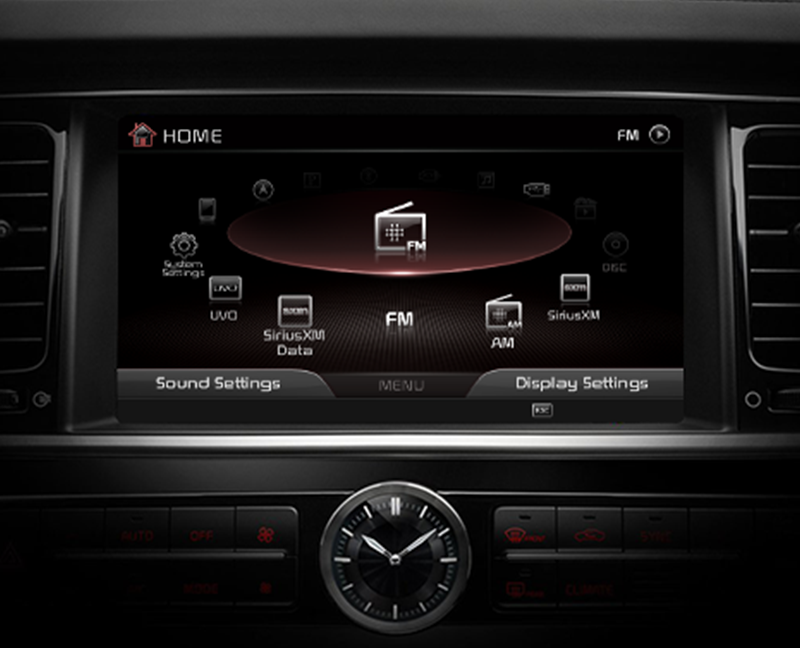
At its core, an infotainment system is a complex interplay of hardware and software. The hardware typically includes a central processing unit (CPU), memory (RAM and storage), a display screen (often a touchscreen), audio amplifiers, speakers, GPS receivers, and various input/output ports (USB, Bluetooth, Wi-Fi). The software is a proprietary operating system, often Linux-based or a custom embedded OS, running applications for navigation (e.g., Google Maps, Waze), media playback (radio, streaming services), communication (hands-free calling, messaging), and vehicle settings. Connectivity is paramount, with Bluetooth enabling wireless audio streaming and phone integration, while Wi-Fi and cellular modems allow for internet access, over-the-air updates, and real-time data services. Many systems also integrate with vehicle sensors to display information like tire pressure, fuel economy, and diagnostic codes.
📊 Key Facts & Numbers
The global automotive infotainment market is substantial, projected to reach over $60 billion by 2027, with a compound annual growth rate (CAGR) of approximately 8.5%. In 2023, an estimated 85% of new vehicles sold worldwide were equipped with advanced infotainment systems featuring touchscreens larger than 7 inches. The average screen size has grown from around 5 inches in 2015 to over 10 inches in 2023. Over 90% of new vehicles now offer Bluetooth connectivity as standard. Smartphone integration via Apple CarPlay and Android Auto is present in over 70% of new vehicles sold in North America and Europe. The market for in-car app stores is also expanding, with an estimated 20 million vehicles expected to have access to such platforms by 2025.
👥 Key People & Organizations
Key players in the automotive infotainment ecosystem include major Tier 1 automotive suppliers like Bosch, Continental AG, and Harman International (a Samsung subsidiary), which design and manufacture many of the core hardware and software components. Automakers themselves, such as Volkswagen Group, Toyota, and General Motors, develop their own branded infotainment systems, often in partnership with tech giants like Google (for Android Automotive OS) and Apple (for Apple CarPlay). Software developers and app providers like Spotify and Waze are also crucial, creating the applications that populate these digital cockpits. The influence of Silicon Valley companies like Nvidia and Qualcomm is also growing, as they provide the powerful processors and chipsets that power these advanced systems.
🌍 Cultural Impact & Influence
Infotainment systems have fundamentally reshaped the driving experience, transforming vehicles from mere modes of transport into connected living spaces. They have normalized the use of digital interfaces in a traditionally analog environment, influencing consumer expectations for all technology. The integration of navigation and real-time traffic data has made journeys more efficient, while seamless smartphone connectivity has blurred the lines between personal and automotive technology. Furthermore, the focus on user experience and intuitive design in cars has pushed the boundaries of human-computer interaction, influencing the design of other consumer electronics. The rise of in-car entertainment has also created new avenues for advertising and content delivery, impacting the media industry.
⚡ Current State & Latest Developments
The current landscape of infotainment systems is characterized by an arms race in screen size, processing power, and feature set. Large, high-resolution, and often curved displays are becoming standard, with some manufacturers like Mercedes-Benz offering massive 'Hyperscreen' units spanning the entire dashboard. Google's Android Automotive OS is gaining traction, offering a more deeply integrated and customizable experience than Android Auto's screen mirroring. Tesla continues to push the envelope with its minimalist, tablet-like interface and frequent over-the-air (OTA) software updates, which can add new features and improve existing ones long after purchase. The integration of advanced driver-assistance systems (ADAS) and vehicle diagnostics directly into the infotainment interface is a major trend.
🤔 Controversies & Debates
One of the most persistent controversies surrounding infotainment systems is the debate over distraction. Critics argue that large, complex touchscreens and the temptation to interact with numerous applications divert drivers' attention from the road, potentially leading to accidents. Studies by organizations like the NHTSA have highlighted the cognitive load associated with using these systems. Another point of contention is data privacy; these systems collect vast amounts of user data, including location, driving habits, and personal preferences, raising concerns about how this information is stored, used, and protected by manufacturers and third-party app providers. The rapid obsolescence of hardware and software also sparks debate about the long-term value and sustainability of these integrated systems.
🔮 Future Outlook & Predictions
The future of infotainment systems points towards even deeper integration and intelligence. Expect more sophisticated AI-powered voice assistants capable of understanding complex natural language commands and proactively offering suggestions. Augmented reality (AR) overlays on windshields, projected via the infotainment system, will provide intuitive navigation and hazard warnings. The concept of the car as a 'third space' will solidify, with advanced productivity and entertainment features becoming commonplace. Google's Android Automotive OS is likely to become a dominant platform, offering a standardized yet customizable experience across many brands. Furthermore, the integration of vehicle-to-everything (V2X) communication will allow infotainment systems to interact with infrastructure and other vehicles, enhancing safety and traffic flow.
💡 Practical Applications
Infotainment systems serve a multitude of practical purposes in daily driving. Their primary function is navigation, providing turn-by-turn directions, real-time traffic avoidance, and points-of-interest searches, often integrated with services like Google Maps. They facilitate communication through hands-free calling and text messaging, allowing drivers to stay connected safely. Media playback is a core feature, enabling access to AM/FM radio, satellite radio (e.g., SiriusXM), digital music files via USB, and streaming services like Spotify and Pandora. Climate control, seat heating/cooling, and other vehicle settings are increasingly managed through the central touchscreen. Some systems also offer advanced features like parking assistance cameras, diagnostic information, and even in-car Wi-Fi hotspots for passengers.
Key Facts
- Category
- technology
- Type
- topic