
Contents
Overview
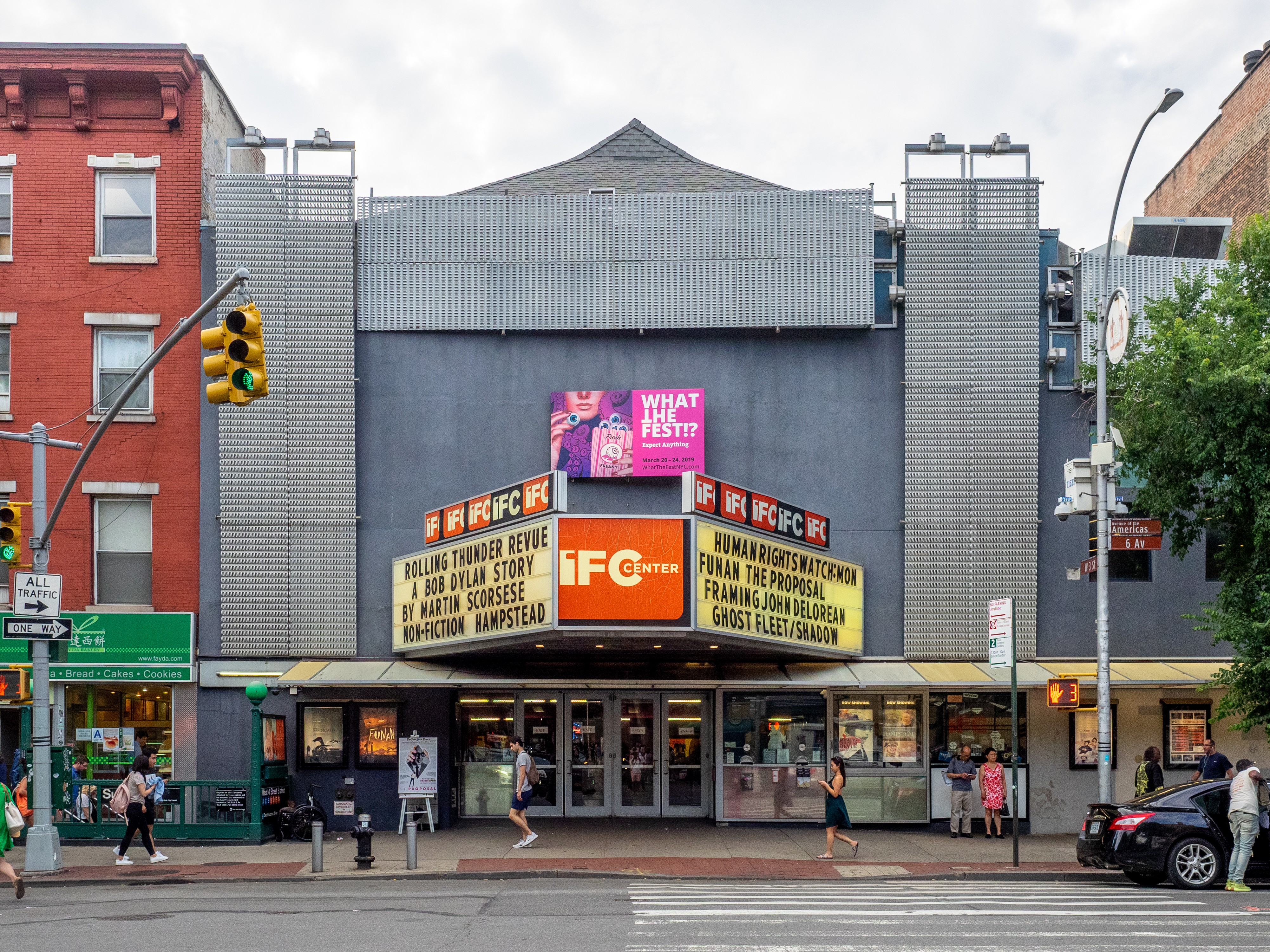
The story of the IFC Center begins with its predecessor, the Waverly Theater, a beloved art-house cinema that first opened its doors. For decades, the Waverly served as a cultural landmark in Greenwich Village, renowned for its eclectic programming and intimate atmosphere. However, like many independent theaters, it faced increasing economic pressures. In 2000, the Waverly closed its doors, leaving a void in the city's cinematic landscape. Recognizing the need to preserve this vital space, AMC Networks acquired the property and embarked on an ambitious renovation. After extensive work, the IFC Center, named after AMC's own Independent Film Channel, officially reopened in June 2005, breathing new life into the historic building and its mission to showcase independent and international cinema.
⚙️ How It Works
The IFC Center operates as a multi-screen cinema dedicated to exhibiting a curated selection of independent, foreign, documentary, and classic films. Its programming is meticulously crafted by a team of film curators who scout for compelling narratives and artistic merit, often prioritizing films that might not receive wide distribution. The venue features multiple auditoriums, each equipped with high-definition projection and surround sound systems to ensure an optimal viewing experience. Beyond film screenings, the center actively engages its audience through post-screening discussions with directors, actors, and critics, as well as hosting film festivals and retrospectives that celebrate cinematic history and innovation. This multifaceted approach transforms the IFC Center from a mere movie theater into a dynamic cultural institution.
📊 Key Facts & Numbers
Since its reopening in 2005, the IFC Center has screened an average of over 400 films annually, with a significant portion being New York or U.S. premieres. The center boasts five auditoriums, ranging in capacity from 48 to 250 seats, accommodating a total of approximately 700 patrons. In its first decade, the IFC Center hosted over 100 filmmaker Q&A sessions, drawing an estimated 50,000 attendees to these special events. Its annual revenue has consistently placed it among the top independent cinemas in the United States, with reports indicating figures often exceeding $5 million per year. The center's commitment to film preservation is underscored by its digital archiving efforts, which have cataloged over 10,000 hours of unique cinematic content.
👥 Key People & Organizations
The IFC Center is a subsidiary of AMC Networks, a major player in the entertainment industry. Key figures in its establishment and ongoing operation include John Vanco, the General Manager, who has been instrumental in shaping its programming and cultural identity since its inception. Vanco, a seasoned film programmer, has overseen the acquisition of numerous award-winning independent films that have found significant audiences at the center. IFC Films, the distribution arm of AMC Networks, often collaborates with the IFC Center, providing a synergistic relationship that benefits both the theatrical exhibition and the distribution of independent cinema. The center also relies on a dedicated team of projectionists, ushers, and administrative staff, many of whom are passionate cinephiles themselves.
🌍 Cultural Impact & Influence
The IFC Center has profoundly influenced the independent film scene in New York City and beyond. It has provided a crucial platform for emerging filmmakers and a vital outlet for audiences seeking diverse and challenging cinematic experiences. Films like Moonlight (2016) and Parasite (2019), both of which went on to win the Academy Award for Best Picture, had significant runs at the IFC Center, underscoring its role as a tastemaker and incubator for critical and commercial success in independent film. The center's commitment to showcasing international cinema has also broadened cultural understanding and appreciation for global storytelling among its patrons. Its programming often sparks conversations about social issues, art, and politics, solidifying its position as more than just a movie theater but a forum for cultural dialogue.
⚡ Current State & Latest Developments
As of 2024, the IFC Center continues its robust programming, navigating the evolving landscape of film exhibition. The rise of streaming services presents an ongoing challenge, yet the center has maintained its appeal by emphasizing the unique communal experience of watching films on the big screen and offering exclusive content and events. Recent programming highlights have included retrospectives on directors like Agnès Varda and John Cassavetes, alongside premieres of highly anticipated independent features. The center has also been at the forefront of embracing new projection technologies, ensuring its facilities remain state-of-the-art. Discussions are ongoing regarding potential expansion or partnerships to further its reach and impact within the independent film community.
🤔 Controversies & Debates
One of the persistent debates surrounding art-house cinemas like the IFC Center is their financial sustainability in an era dominated by multiplexes and streaming giants. Critics sometimes question the economic viability of programming niche films, while supporters argue that the cultural value and audience loyalty generated far outweigh purely financial metrics. Another point of discussion revolves around the balance between showcasing established independent darlings and actively seeking out and nurturing truly groundbreaking, experimental works. The influence of AMC Networks' ownership also occasionally sparks debate about the potential for corporate interests to subtly shape programming, though the center has largely maintained its independent ethos under the guidance of figures like John Vanco.
🔮 Future Outlook & Predictions
The future outlook for the IFC Center appears cautiously optimistic, driven by its strong brand identity and dedicated audience. As the film industry continues to shift, the center is poised to adapt by further leveraging its unique position as a cultural hub. Potential developments include expanding its educational programming, forging deeper collaborations with film schools and archives, and perhaps even exploring new digital platforms for curated content. The enduring appeal of communal cinematic experiences, particularly for independent and art-house films, suggests that venues like the IFC Center will remain relevant. The challenge will be to continuously innovate and engage audiences in ways that streaming cannot replicate, ensuring its legacy as a vital institution for years to come.
💡 Practical Applications
The primary practical application of the IFC Center is its role as a venue for film exhibition, offering New Yorkers and visitors access to a diverse range of cinematic works. This includes screening independent features, documentaries, foreign films, and classic cinema, often with multiple showings per day. Beyond regular screenings, the center serves as a venue for film festivals, such as the New York Film Festival's satellite screenings and the DOC NYC film festival. It also hosts filmmaker Q&A sessions, panel discussions, and special retrospective programs, providing educational and engaging experiences for film enthusiasts. The center's state-of-the-art projection and sound systems are also utilized for private screenings and events by film organizations and production companies.
Key Facts
- Category
- places
- Type
- place