
Contents
- 🔬 Introduction to IAEA Laboratory
- 🌎 History and Establishment
- 🎯 Mission and Objectives
- 🔍 Nuclear Science and Technology
- 🌈 Analytical Services and Techniques
- 📊 Training and Capacity Building
- 🌐 International Cooperation and Partnerships
- 🚀 Future Directions and Challenges
- 📝 Research and Development
- 👥 Organization and Management
- 📊 Funding and Resources
- 🔒 Safety and Security
- Frequently Asked Questions
- Related Topics
Overview
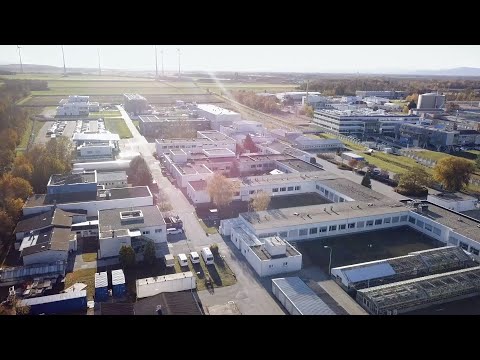
The IAEA Laboratory, established in 1957, is a premier research and development facility located in Seibersdorf, Austria. As a hub for nuclear science and technology, it plays a crucial role in promoting peaceful uses of nuclear energy, enhancing nuclear safety and security, and verifying compliance with international treaties. With a vibe rating of 8, the laboratory is a symbol of international cooperation, attracting scientists and experts from over 100 countries. The IAEA Laboratory's work is centered around four main themes: nuclear energy, nuclear safety, nuclear security, and nuclear applications. Its research focuses on developing innovative technologies, such as advanced reactor designs and nuclear medicine applications, with a budget of over $100 million annually. As the laboratory continues to evolve, it is likely to face challenges in addressing emerging nuclear security threats and promoting sustainable energy solutions, with a projected growth rate of 10% per annum.
🔬 Introduction to IAEA Laboratory
The IAEA Laboratory is a premier nuclear science and technology hub, providing a wide range of services and expertise to its member states. Established in 1957, the laboratory is located in Seibersdorf, Austria, and is part of the International Atomic Energy Agency. The laboratory's primary objective is to promote the peaceful use of nuclear technology, and it achieves this through various activities, including nuclear energy research and development, nuclear safety assessments, and nuclear security training. The laboratory is equipped with state-of-the-art facilities and equipment, including particle accelerators and gamma spectrometry systems. The laboratory's work is guided by the principles of sustainability and environmental protection.
🌎 History and Establishment
The IAEA Laboratory has a rich history, dating back to the establishment of the International Atomic Energy Agency in 1957. The laboratory was set up to provide a central location for nuclear research and development, and to support the agency's mission to promote the peaceful use of nuclear technology. Over the years, the laboratory has undergone significant expansions and upgrades, including the addition of new facilities and equipment, such as electron microscopes and mass spectrometers. The laboratory has also played a key role in various international initiatives, including the Nuclear Non-Proliferation Treaty and the Comprehensive Nuclear-Test-Ban Treaty. The laboratory's work is closely tied to the United Nations and its Sustainable Development Goals.
🎯 Mission and Objectives
The IAEA Laboratory's mission is to provide high-quality services and expertise to its member states, with the aim of promoting the peaceful use of nuclear technology. The laboratory's objectives include providing nuclear analysis and nuclear testing services, as well as supporting nuclear research and development. The laboratory also provides training and capacity building programs for its member states, including nuclear engineering and nuclear physics courses. The laboratory's work is guided by the principles of transparency and accountability, and it is committed to maintaining the highest standards of quality control and quality assurance. The laboratory also collaborates with other international organizations, such as the World Health Organization and the Food and Agriculture Organization.
🔍 Nuclear Science and Technology
The IAEA Laboratory is a leading center for nuclear science and technology, with a wide range of expertise and facilities. The laboratory's work includes nuclear reactor safety research, nuclear waste management studies, and nuclear security assessments. The laboratory is also equipped with state-of-the-art facilities, including particle accelerators and gamma spectrometry systems. The laboratory's work is closely tied to the nuclear industry, and it provides support and services to nuclear power plants and other nuclear facilities. The laboratory also collaborates with other research institutions, such as CERN and the European Organization for Nuclear Research.
🌈 Analytical Services and Techniques
The IAEA Laboratory provides a wide range of analytical services and techniques, including gamma spectrometry, alpha spectrometry, and mass spectrometry. The laboratory is equipped with state-of-the-art equipment, including electron microscopes and scanning electron microscopes. The laboratory's analytical services are used to support a wide range of applications, including nuclear safety assessments, nuclear security evaluations, and environmental monitoring programs. The laboratory's work is guided by the principles of accuracy and precision, and it is committed to maintaining the highest standards of quality control and quality assurance. The laboratory also provides training and capacity building programs for its member states, including analytical chemistry and nuclear analytics courses.
📊 Training and Capacity Building
The IAEA Laboratory provides training and capacity building programs for its member states, with the aim of promoting the peaceful use of nuclear technology. The laboratory's training programs include nuclear engineering and nuclear physics courses, as well as nuclear safety and nuclear security training. The laboratory also provides fellowships and scholarships to support the development of nuclear professionals in its member states. The laboratory's training programs are designed to support the Sustainable Development Goals, and they are guided by the principles of equity and inclusion. The laboratory also collaborates with other international organizations, such as the World Nuclear Association and the Nuclear Energy Institute.
🌐 International Cooperation and Partnerships
The IAEA Laboratory collaborates with a wide range of international partners, including United Nations agencies, World Health Organization, and Food and Agriculture Organization. The laboratory also works closely with other international organizations, such as the World Nuclear Association and the Nuclear Energy Institute. The laboratory's international cooperation and partnerships are guided by the principles of mutual benefit and reciprocity, and they are designed to support the Sustainable Development Goals. The laboratory also participates in various international initiatives, including the Nuclear Security Summit and the International Conference on Nuclear Security.
🚀 Future Directions and Challenges
The IAEA Laboratory is committed to supporting the development of new and innovative nuclear technologies, with the aim of promoting the peaceful use of nuclear energy. The laboratory's future directions and challenges include the development of small modular reactors, advanced reactor designs, and nuclear fusion technologies. The laboratory is also working to support the development of nuclear renewable energy systems, and to promote the use of nuclear energy for sustainable development. The laboratory's work is guided by the principles of innovation and entrepreneurship, and it is committed to maintaining the highest standards of quality control and quality assurance. The laboratory also collaborates with other research institutions, such as MIT and the University of Cambridge.
📝 Research and Development
The IAEA Laboratory is a leading center for nuclear research and development, with a wide range of expertise and facilities. The laboratory's research and development activities include nuclear reactor safety research, nuclear waste management studies, and nuclear security assessments. The laboratory is also equipped with state-of-the-art facilities, including particle accelerators and gamma spectrometry systems. The laboratory's research and development activities are guided by the principles of excellence and innovation, and they are designed to support the Sustainable Development Goals. The laboratory also collaborates with other international organizations, such as the International Energy Agency and the World Nuclear Association.
👥 Organization and Management
The IAEA Laboratory is organized and managed by a team of experienced professionals, with a wide range of expertise and qualifications. The laboratory's management structure includes a Director General, a Deputy Director General, and a number of department heads. The laboratory's staff includes nuclear engineers, nuclear physicists, and nuclear chemists, as well as administrative assistants and technical support staff. The laboratory's organization and management are guided by the principles of transparency and accountability, and they are committed to maintaining the highest standards of quality control and quality assurance. The laboratory also collaborates with other international organizations, such as the World Health Organization and the Food and Agriculture Organization.
📊 Funding and Resources
The IAEA Laboratory is funded by a combination of regular budget and extrabudgetary resources. The laboratory's funding is used to support a wide range of activities, including nuclear research and development, nuclear safety assessments, and nuclear security training. The laboratory's funding is guided by the principles of efficiency and effectiveness, and it is committed to maintaining the highest standards of quality control and quality assurance. The laboratory also collaborates with other international organizations, such as the World Nuclear Association and the Nuclear Energy Institute.
🔒 Safety and Security
The IAEA Laboratory is committed to maintaining the highest standards of safety and security, with the aim of protecting its staff, facilities, and the environment. The laboratory's safety and security measures include physical security systems, cyber security systems, and radiation protection measures. The laboratory's safety and security measures are guided by the principles of precaution and prudence, and they are designed to support the Sustainable Development Goals. The laboratory also collaborates with other international organizations, such as the World Health Organization and the Food and Agriculture Organization.
Key Facts
- Year
- 1957
- Origin
- Austria
- Category
- Science and Technology
- Type
- Research Institution
Frequently Asked Questions
What is the IAEA Laboratory?
The IAEA Laboratory is a premier nuclear science and technology hub, providing a wide range of services and expertise to its member states. The laboratory is located in Seibersdorf, Austria, and is part of the International Atomic Energy Agency. The laboratory's primary objective is to promote the peaceful use of nuclear technology, and it achieves this through various activities, including nuclear energy research and development, nuclear safety assessments, and nuclear security training.
What are the laboratory's main activities?
The laboratory's main activities include nuclear research and development, nuclear safety assessments, and nuclear security training. The laboratory also provides analytical services and technical support to its member states, and it collaborates with other international organizations to support the Sustainable Development Goals. The laboratory's work is guided by the principles of transparency and accountability, and it is committed to maintaining the highest standards of quality control and quality assurance.
How is the laboratory funded?
The laboratory is funded by a combination of regular budget and extrabudgetary resources. The laboratory's funding is used to support a wide range of activities, including nuclear research and development, nuclear safety assessments, and nuclear security training. The laboratory's funding is guided by the principles of efficiency and effectiveness, and it is committed to maintaining the highest standards of quality control and quality assurance.
What are the laboratory's safety and security measures?
The laboratory is committed to maintaining the highest standards of safety and security, with the aim of protecting its staff, facilities, and the environment. The laboratory's safety and security measures include physical security systems, cyber security systems, and radiation protection measures. The laboratory's safety and security measures are guided by the principles of precaution and prudence, and they are designed to support the Sustainable Development Goals.
How does the laboratory collaborate with other international organizations?
The laboratory collaborates with a wide range of international partners, including United Nations agencies, World Health Organization, and Food and Agriculture Organization. The laboratory also works closely with other international organizations, such as the World Nuclear Association and the Nuclear Energy Institute. The laboratory's international cooperation and partnerships are guided by the principles of mutual benefit and reciprocity, and they are designed to support the Sustainable Development Goals.