
Contents
Overview
The Huai River's story is one of constant flux, a narrative etched in silt and floodwaters. For millennia, its course was a source of both life and destruction. Ancient Chinese civilizations, from the Neolithic era onwards, settled along its fertile floodplains, developing sophisticated agricultural practices. However, the river's natural tendency to overflow its banks, exacerbated by deforestation and land use changes, led to catastrophic floods. The Han, Tang, and Ming dynasties attempted to control the Huai River's waters through extensive dike construction and canal building, often with limited long-term success.
⚙️ How It Works
The Huai River's hydrological system is complex and dynamic, characterized by its location in a transitional climate zone. It originates in the Tongbai Mountains of Henan Province and flows eastward through Anhui and Jiangsu provinces. Its drainage basin covers approximately 174,000 km², but this figure is unverified. Historically, the Huai's discharge path was unstable; it once flowed into the Yellow Sea, but sediment deposition and tectonic shifts, coupled with human intervention, redirected it. For much of the 20th century, the Huai River flowed into the Hongze Lake before joining the Yangtze. However, extensive water management projects, including the construction of dams and diversion canals, have further altered its natural flow, aiming to mitigate floods and utilize water resources for irrigation and power generation.
📊 Key Facts & Numbers
The Huai River's drainage basin encompasses parts of Henan, Anhui, Jiangsu, and Shandong provinces. The Qinling–Huaihe Line, formed by the Qin Mountains and the Huai River, serves as a crucial geographical marker, approximating the 0 °C January isotherm and the 800 mm annual precipitation line, effectively dividing China's climate into north and south. The river's flood season typically runs from June to September, during which it can swell dramatically, threatening the lives and livelihoods of the over 100 million people residing within its basin.
👥 Key People & Organizations
The management and study of the Huai River have involved numerous key figures and organizations throughout history. Ancient engineers and officials, such as Jin Shih-hsuan during the Ming Dynasty, were instrumental in shaping its water control infrastructure, albeit with devastating consequences in some instances. In the modern era, the Ministry of Water Resources of the People's Republic of China has been the primary governmental body responsible for large-scale water management projects along the Huai. Organizations like the Huai River Conservancy Commission have been established to oversee flood control, irrigation, and navigation. Prominent hydrologists and environmental scientists, such as those associated with the Chinese Academy of Sciences, continue to research the river's complex dynamics and the impacts of human intervention.
🌍 Cultural Impact & Influence
Culturally, the Huai River has been a potent symbol in Chinese literature and art, often representing the unpredictable forces of nature and the struggles of humanity against them. Its dual nature as a life-giver and destroyer has inspired countless poems, paintings, and folk tales. The river's role as a geographical and climatic divider has also fostered distinct regional identities and cultural practices north and south of its course. For instance, the distinction in climate influences traditional housing, dietary habits, and even linguistic dialects. The ongoing efforts to control the Huai's floods have also become a narrative of human perseverance and technological ambition, reflecting China's broader efforts to harness its natural resources and reshape its environment, a theme explored in works by authors like Lu Xun and documented in historical records of imperial water conservancy projects.
⚡ Current State & Latest Developments
In the contemporary era, the Huai River basin is a focal point for China's ambitious water management strategies. Projects like the construction of the Banqiao Dam and more recent initiatives like the South-to-North Water Diversion Project highlight the ongoing efforts to control and utilize the river's water. The Huai River Commission continues to monitor water levels, implement flood control measures, and manage water resources for agriculture and industry. Despite these efforts, the basin remains vulnerable to extreme weather events, including both floods and droughts, necessitating continuous adaptation and technological advancement in water resource management. Recent years have seen increased focus on ecological restoration and sustainable development within the basin.
🤔 Controversies & Debates
The Huai River's history is rife with controversy, primarily centered on the efficacy and consequences of human intervention. The catastrophic failure of the Banqiao Dam remains a stark reminder of the risks associated with large-scale dam construction. Debates persist regarding the long-term environmental impacts of extensive damming and water diversion projects, including changes in sediment transport, aquatic ecosystems, and downstream water availability. Furthermore, the allocation of water resources between upstream and downstream provinces, as well as between agricultural, industrial, and ecological needs, often sparks inter-provincial disputes and raises questions about equitable resource management.
🔮 Future Outlook & Predictions
The future of the Huai River hinges on balancing human needs with ecological sustainability in an era of climate change. Experts predict that increased rainfall variability and more intense extreme weather events will continue to challenge flood control efforts. Future developments will likely focus on integrated water resource management, incorporating smart technologies for real-time monitoring and early warning systems. There is a growing emphasis on 'sponge city' concepts and nature-based solutions to manage water more sustainably within the basin. The potential for further inter-basin water transfers and the development of advanced water purification and recycling technologies will also play a crucial role in ensuring water security for the over 100 million inhabitants of the Huai River basin, as envisioned by initiatives like the 14th Five-Year Plan.
💡 Practical Applications
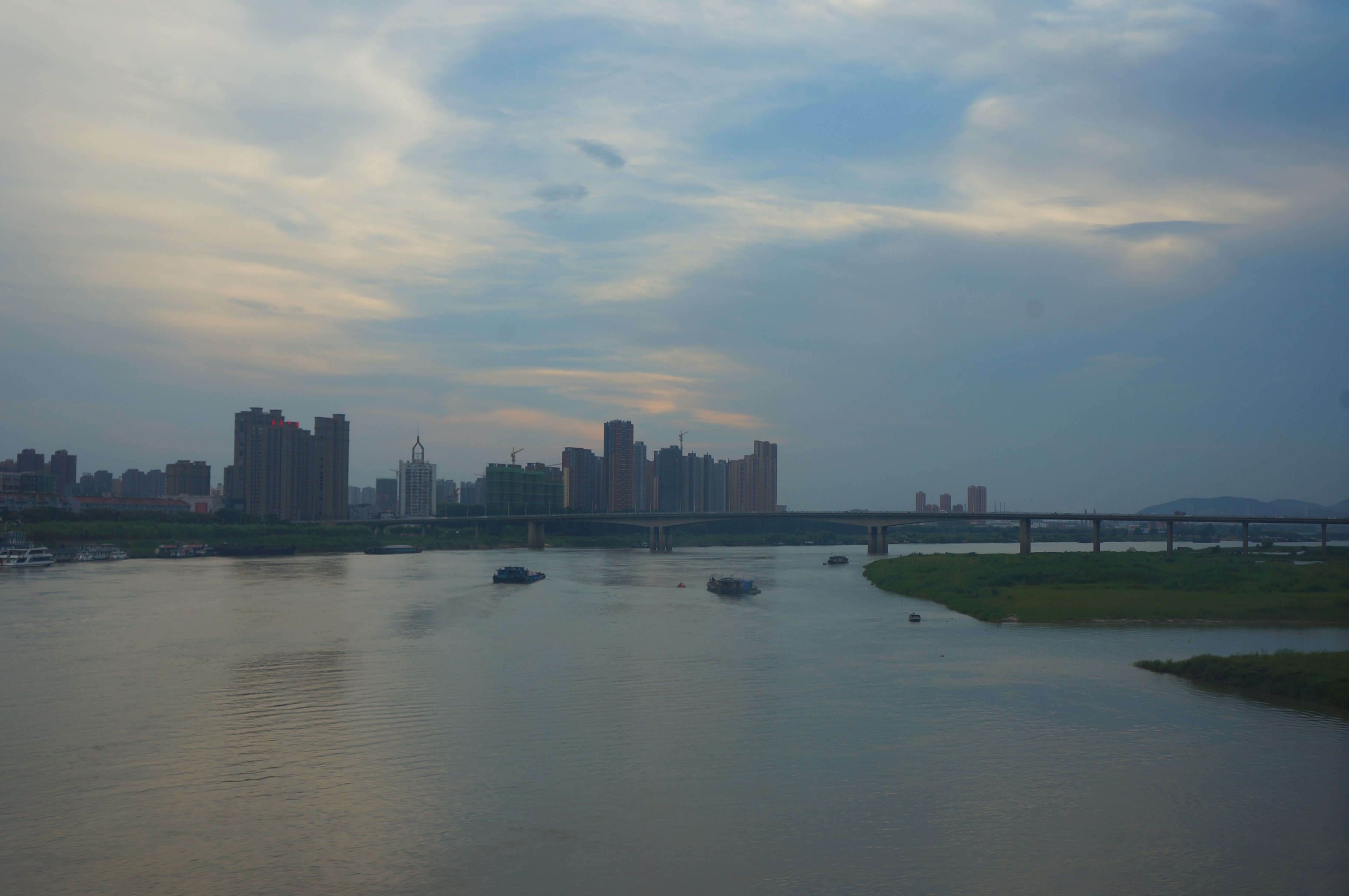
The Huai River basin is a critical agricultural heartland for China, with its waters supporting extensive irrigation systems that are vital for grain production, particularly rice and wheat. The river's flow is harnessed for hydroelectric power generation through numerous dams, contributing to regional energy needs. Furthermore, the Huai River serves as an important transportation artery for barges and smaller vessels, facilitating the movement of goods between inland areas and coastal ports, connecting cities like Bengbu and Huai'an. Its water resources are also crucial for industrial processes and urban water supply for millions of people living within its extensive drainage area, making its management a cornerstone of regional economic development.
Key Facts
- Category
- nature
- Type
- topic