
Contents
Overview
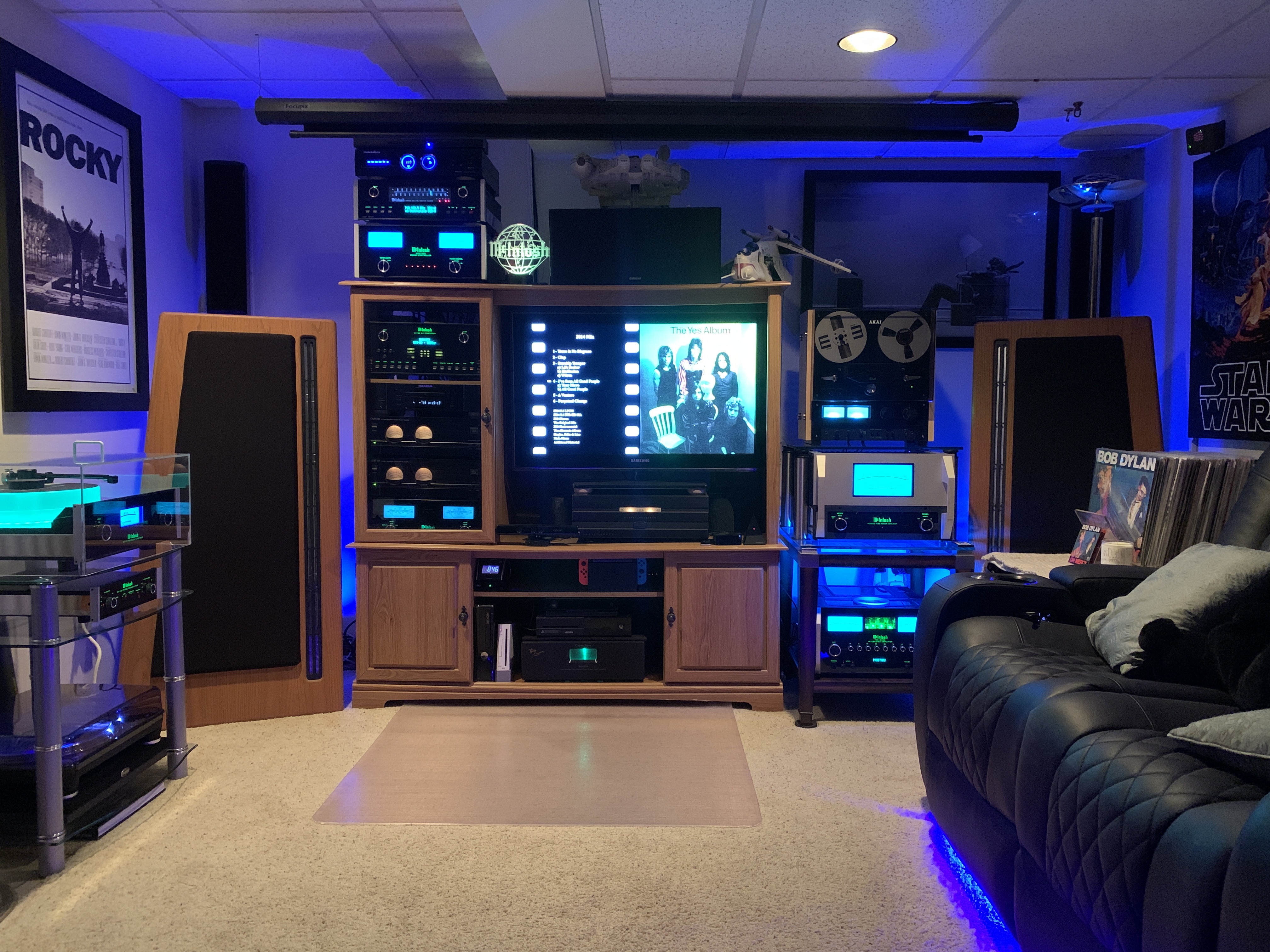
Home audio systems encompass the diverse range of electronic devices and components designed to reproduce sound for entertainment within a residential setting. This field traces its lineage back to Thomas Edison's phonograph in the late 19th century, evolving dramatically through the advent of monaural and then stereophonic sound in the mid-20th century, giving rise to the 'hi-fi' (high fidelity) movement that prioritized sonic accuracy and minimal distortion. Over decades, equipment has transformed from bulky, furniture-like cabinets to sophisticated, often minimalist components, integrating technologies like Dolby Digital, DTS, and Dolby Atmos surround sound, alongside the proliferation of digital formats and streaming services. Today, home audio spans everything from integrated smart speakers and soundbars to complex multi-channel setups and dedicated audiophile rigs, reflecting a continuous pursuit of immersive and faithful sound reproduction.
🎵 Origins & History
The phonograph allowed for the recording and playback of sound on wax cylinders. Early sound reproduction was monaural, a single channel of audio. Stereophonic sound, a two-channel system that created a sense of space and directionality, was adopted in the mid-20th century. This era saw the coining of the term 'hi-fi' (high fidelity), a benchmark for audio equipment promising accurate sound reproduction with minimal noise and distortion. Cassette tapes and CDs were integrated into increasingly sophisticated receivers and integrated systems. Quadraphonic sound, a four-channel format, foreshadowed modern surround sound.
⚙️ How It Works
At its core, a home audio system functions by converting electrical signals into audible sound waves. This process typically begins with a source device, such as a turntable, CD player, digital audio player, or streaming device, which outputs an audio signal. This signal is then processed by an amplifier, which boosts its power to drive loudspeakers. Loudspeakers, the final output stage, consist of drivers (woofers for low frequencies, tweeters for high frequencies, and sometimes mid-range drivers) housed in an enclosure, which vibrate to create sound waves. More complex systems, like surround sound setups, utilize multiple speakers strategically placed around the listener and a receiver or processor to decode and direct audio channels, creating an immersive soundstage. The quality of each component—from the signal source and amplification to the speaker design and room acoustics—critically impacts the overall listening experience.
📊 Key Facts & Numbers
The global home audio market was valued at approximately $110 billion in 2023 and is projected to reach over $150 billion by 2028, demonstrating significant growth. Speaker sales alone accounted for nearly 60% of this market in 2023. The average consumer spends between $300 and $1,000 on a basic home audio setup, while dedicated audiophiles might invest upwards of $10,000 for a high-end stereo or surround sound system. In the United States, over 70% of households own at least one smart speaker, a category that has seen explosive growth since its introduction around 2014. The market for soundbars, designed as simpler alternatives to multi-speaker systems, exceeded 20 million units sold globally in 2023. High-resolution audio formats, offering sample rates far exceeding that of a standard CD (44.1 kHz/16-bit), are gaining traction, with services like Tidal and Qobuz offering extensive libraries.
👥 Key People & Organizations
Key figures in the evolution of home audio include Thomas Edison, whose phonograph laid the groundwork for sound recording and playback. Bell Labs scientists Harry Nyquist and Karl Küpfmüller developed foundational theories of signal transmission crucial for audio fidelity. David Hafler was instrumental in popularizing DIY hi-fi kits in the 1950s. Avery Fisher, founder of Fisher Radio, became synonymous with affordable hi-fi equipment. In the realm of digital audio, Ray Dolby's innovations in noise reduction and surround sound, and George Lucas's Lucasfilm and THX certification program, profoundly shaped cinematic and home theater audio. Major organizations like the Audio Engineering Society (AES) and the Consumer Technology Association (CTA) set industry standards and promote technological advancement. Companies like Sony, Bose, Samsung, LG, Denon, and Yamaha are dominant players in the modern consumer home audio market.
🌍 Cultural Impact & Influence
Home audio systems have fundamentally altered how people experience music, movies, and even video games, transforming passive entertainment into immersive sensory experiences. The widespread adoption of stereo and surround sound has elevated the cultural significance of recorded music and film soundtracks, influencing artistic creation and audience reception. The rise of the audiophile culture, driven by publications like Stereophile magazine and online forums, has fostered a dedicated community passionate about sonic purity, influencing product design and marketing. Furthermore, the integration of audio systems into smart home ecosystems, exemplified by devices like Amazon Echo and Google Nest speakers, has made sophisticated audio control and access ubiquitous, blurring the lines between entertainment and daily life. This pervasive presence has democratized access to high-quality sound, making it a standard expectation rather than a niche luxury.
⚡ Current State & Latest Developments
The current home audio landscape is characterized by a bifurcation between convenience-oriented, integrated solutions and high-fidelity, component-based systems. Soundbars and smart speakers continue to dominate mainstream sales due to their ease of setup and space-saving designs, with manufacturers like Sonos and Apple (with its HomePod) pushing the boundaries of wireless multi-room audio and voice control. Simultaneously, the audiophile segment is experiencing a resurgence, fueled by the availability of high-resolution streaming services and a renewed appreciation for vinyl records, leading to increased interest in dedicated amplifiers, high-end loudspeakers, and digital-to-analog converters (DACs). Wi-Fi audio streaming protocols like AirPlay and Chromecast are becoming standard, offering seamless integration across devices. The pursuit of immersive audio continues with Dolby Atmos and DTS:X becoming more common in premium soundbars and AV receivers.
🤔 Controversies & Debates
A significant controversy in home audio revolves around the perceived value and efficacy of 'audiophile' accessories and cables. While proponents claim that exotic interconnects, power conditioners, and speaker cables made from specialized materials can dramatically improve sound quality, mainstream audio engineers and many consumers argue that the audible differences are negligible or non-existent beyond a certain baseline of quality, often attributing perceived improvements to the placebo effect or subtle room acoustic changes. Another ongoing debate centers on the superiority of digital versus analog audio formats; while digital offers convenience and precision, many enthusiasts maintain that the warmth and 'musicality' of analog sources like vinyl records remain unmatched. The environmental impact of electronic waste from obsolete audio equipment also presents a growing concern, with calls for more sustainable design and recycling initiatives.
🔮 Future Outlook & Predictions
The future of home audio is likely to be shaped by further advancements in digital signal processing, artificial intelligence, and spatial audio technologies. Expect more sophisticated room correction software that can adapt audio output to any acoustic environment with greater precision, potentially rendering expensive acoustic treatments less necessary. AI-powered systems may learn user preferences and automatically optimize playback for different genres or moods. Spatial audio formats like Dolby Atmos and Sony 360 Reality Audio are poised to become more mainstream, offering truly three-dimensional sound experiences that go beyond traditional stereo or surround sound. Wireless audio transmission will continue to improve, offering higher bandwidth and lower latency, potentially making w
💡 Practical Applications
Home audio systems are integral to modern entertainment setups, enhancing the experience of listening to music, watching movies, and playing video games. They are used in virtually every household for leisure and personal enjoyment. Dedicated audiophile systems are often set up in specific listening rooms designed for optimal acoustics, while soundbars and smart speakers are integrated into living spaces for convenience and multi-functional use.
Key Facts
- Category
- technology
- Type
- topic