
Contents
- 🍯 The Primal Bond: Early Adhesives
- 📜 Ancient Innovations: From Egypt to Rome
- 🔬 The Dawn of Chemistry: Natural vs. Synthetic
- 💥 The Nitrocellulose Revolution
- ⚙️ The Bakelite Breakthrough: Plastics Enter the Fray
- ⚡️ The Cyanoacrylate Craze: Superglue Arrives
- 🚀 Modern Marvels: Epoxies, Silicones, and Beyond
- 💡 The Future of Adhesion: Smart Glues and Sustainability
- Frequently Asked Questions
- Related Topics
Overview
Adhesives are the unsung heroes of civilization, silently holding together everything from ancient pottery to modern skyscrapers. This Vibepedia entry traces their evolution, starting with natural glues like bitumen and animal hides used by our earliest ancestors, through the development of starch and protein-based adhesives in the Bronze Age, and into the synthetic revolution of the 20th century. We'll explore the key innovations, the cultural impact of stronger, more reliable bonding agents, and the ongoing quest for sustainable and advanced adhesive technologies. Understanding adhesives isn't just about chemistry; it's about understanding how humans have literally stuck together their world for millennia.
🍯 The Primal Bond: Early Adhesives
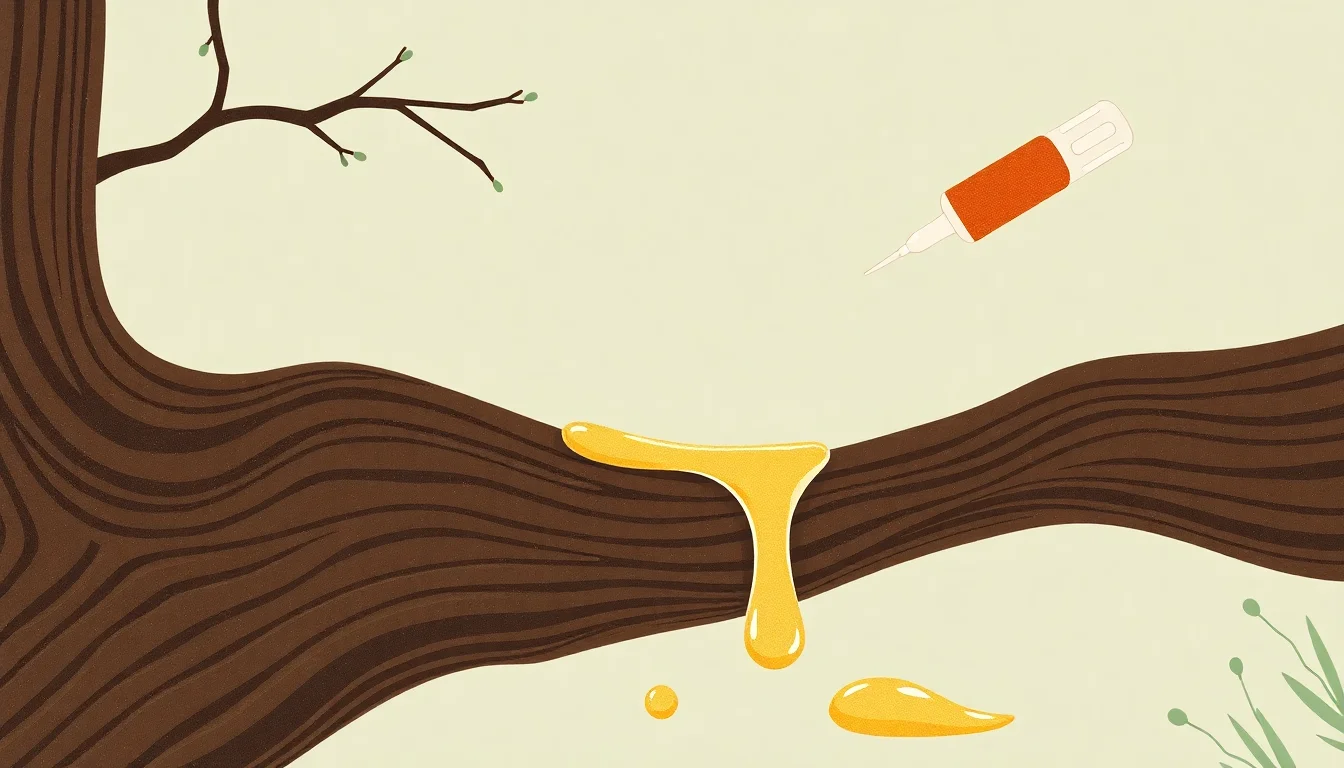
Long before humans understood molecular bonds, they understood stickiness. Our earliest ancestors likely observed how Tree Sap adhered to surfaces, perhaps even using it to attach stone tools to wooden handles. This primal understanding of adhesion, the force that makes things stick, is the bedrock of countless technologies. The earliest documented uses of adhesives date back tens of thousands of years, with evidence of birch bark tar being used by Neanderthals around 200,000 BCE to haft stone tools. This wasn't just about convenience; it was about survival, enabling more effective hunting and crafting.
📜 Ancient Innovations: From Egypt to Rome
Ancient civilizations elevated adhesive use from practical necessity to sophisticated art. The Egyptians, renowned for their mummification and tomb construction, employed adhesives made from animal hides, bones, and fish to secure bandages and assemble furniture. The Romans, masters of engineering, utilized glues derived from animal parts, as well as casein (from milk) and bitumen, for everything from shipbuilding to mosaic work. These early glues, while crude by modern standards, demonstrate a remarkable empirical understanding of material properties and their applications in complex projects like the construction of the Parthenon.
🔬 The Dawn of Chemistry: Natural vs. Synthetic
The scientific revolution began to unravel the mysteries of adhesion, distinguishing between the inherent properties of natural materials and the potential of synthesized ones. For centuries, glues were derived from organic sources: animal bones, hides, and hooves (gelatin glues), fish bladders (isinglass), and plant starches. While effective for many applications, these natural adhesives were often susceptible to moisture, temperature fluctuations, and degradation. The quest for more stable, predictable, and versatile bonding agents began to drive chemical innovation, laying the groundwork for synthetic alternatives.
💥 The Nitrocellulose Revolution
The late 19th and early 20th centuries witnessed a pivotal shift with the development of early synthetic adhesives, notably those based on nitrocellulose. Initially explored for photographic film and lacquers, nitrocellulose proved to be a strong, fast-drying adhesive. However, its high flammability and tendency to yellow over time limited its widespread adoption. Despite these drawbacks, the exploration of nitrocellulose marked a significant step away from purely organic glues, demonstrating the potential of chemically engineered materials to outperform their natural predecessors in specific applications.
⚙️ The Bakelite Breakthrough: Plastics Enter the Fray
The invention of Bakelite in 1907 by Leo Baekeland is a landmark in the history of synthetic materials, including adhesives. Bakelite, the first fully synthetic plastic, was a thermosetting resin that could be molded into various shapes and hardened permanently. Its excellent electrical insulation properties and heat resistance made it ideal for early electronics and household items. While not primarily an adhesive in the modern sense, Bakelite's development paved the way for a new class of synthetic polymers that would eventually form the basis of many advanced adhesives, showcasing the power of controlled chemical synthesis.
⚡️ The Cyanoacrylate Craze: Superglue Arrives
The accidental discovery of Cyanoacrylates by Dr. Harry Coover at Eastman Kodak in 1942, and their subsequent commercialization as 'Super Glue' in the 1950s, was a watershed moment. Initially deemed too brittle, Coover revisited the compounds in the late 1950s, recognizing their incredible rapid-bonding capabilities. These 'instant adhesives' revolutionized consumer and industrial repair, offering unparalleled speed and strength for a wide range of materials. The ability to bond non-porous surfaces in seconds, with minimal clamping, was a paradigm shift in everyday fixing and intricate assembly alike.
🚀 Modern Marvels: Epoxies, Silicones, and Beyond
The latter half of the 20th century saw an explosion of adhesive technologies, moving far beyond simple glues. Epoxy Resins, known for their exceptional strength and durability, became indispensable in aerospace and construction. Silicones, with their flexibility and resistance to extreme temperatures and moisture, found widespread use in sealants and electronics. The development of Polyurethanes offered a versatile range of properties, from flexible foams to rigid adhesives. This era is characterized by highly specialized adhesives engineered for specific performance requirements, pushing the boundaries of what could be joined and how.
💡 The Future of Adhesion: Smart Glues and Sustainability
The ongoing evolution of adhesives is driven by demands for greater performance, environmental responsibility, and novel functionalities. Researchers are developing 'smart glues' that can change their bonding properties on command, perhaps activated by light or temperature, enabling easier disassembly and repair. The push for sustainability is leading to bio-based adhesives derived from renewable resources and glues that are more easily recycled or biodegradable. The future promises adhesives that are not just strong and durable, but also intelligent and environmentally benign, continuing the legacy of human ingenuity in the art of sticking things together.
Key Facts
- Year
- c. 10,000 BCE
- Origin
- Global
- Category
- History of Technology
- Type
- Historical Topic
Frequently Asked Questions
What was the very first adhesive used by humans?
The earliest evidence points to Tree Sap and birch bark tar being used by Neanderthals as early as 200,000 BCE to haft stone tools. This natural, sticky substance provided the initial means for humans to join materials together, a fundamental step in toolmaking and technological development.
How did ancient civilizations improve upon basic glues?
Ancient Egyptians and Romans significantly advanced adhesive use. They developed glues from animal hides, bones, fish, and even milk (casein). These were employed in complex applications like mummification, furniture assembly, shipbuilding, and intricate mosaic work, demonstrating a sophisticated understanding of material properties for their time.
What was the significance of Bakelite in adhesive history?
While not primarily an adhesive itself, the invention of Bakelite in 1907 by Leo Baekeland was crucial. As the first fully synthetic plastic, its development opened the door to the era of synthetic polymers. This paved the way for the chemical engineering of new materials that would later form the basis of many advanced synthetic adhesives.
When did 'Super Glue' become widely available?
Cyanoacrylates, the chemical basis for 'Super Glue,' were discovered accidentally by Dr. Harry Coover at Eastman Kodak in 1942. They were first commercialized in the 1950s, offering consumers and industries an unprecedented rapid-bonding adhesive that revolutionized repair and assembly.
What are some modern high-performance adhesives?
Modern technology relies heavily on specialized adhesives like Epoxy Resins for their exceptional strength and durability, crucial in aerospace and construction. Silicones are vital for their flexibility and resistance to extreme conditions, used in sealants and electronics. Polyurethanes offer a wide spectrum of properties for diverse applications.
What are the future trends in adhesive technology?
The future of adhesives is focused on 'smart glues' that can be activated or deactivated on command, facilitating easier disassembly and repair. There's also a strong push towards sustainability, with research into bio-based adhesives from renewable resources and glues that are biodegradable or more easily recyclable, aiming for both high performance and environmental responsibility.