
Contents
Overview
The genesis of historic amusement parks is deeply intertwined with the rise of industrialization and the burgeoning middle class seeking new forms of recreation. Early precursors can be traced to European pleasure gardens and fairgrounds, but the modern amusement park truly took shape in the late 1800s. The World's Columbian Exposition in Chicago, with its Midway Plaisance and iconic Ferris Wheel, proved a pivotal moment, demonstrating the commercial viability of large-scale entertainment. Following this, parks like Coney Island in New York, with its Steeplechase Park (opened 1897), Luna Park (1903), and Dreamland (1904), became legendary hubs of innovation and excitement. In Europe, Blackpool Pleasure Beach in England, established in 1896, and Tivoli Gardens in Copenhagen, Denmark (opened 1843), represent some of the oldest continuously operating amusement parks, showcasing a remarkable longevity.
⚙️ How It Works
At their core, historic amusement parks function as meticulously engineered environments designed to evoke wonder, thrill, and escapism. The 'how it works' is a blend of mechanical ingenuity and crowd management. Early rides, often powered by steam or early electric motors, were marvels of their time, from the intricate clockwork of Herschell-Spillman carousels to the gravity-defying forces generated by early roller coasters like The Cyclone at Coney Island. Beyond the rides, the park's layout itself is a carefully orchestrated experience, guiding visitors through a sequence of attractions, food stalls, and performance spaces. The operational aspect involves complex logistics: seasonal maintenance of aging infrastructure, adherence to evolving safety regulations, and the constant challenge of balancing historical preservation with the need for modern amenities and guest comfort.
📊 Key Facts & Numbers
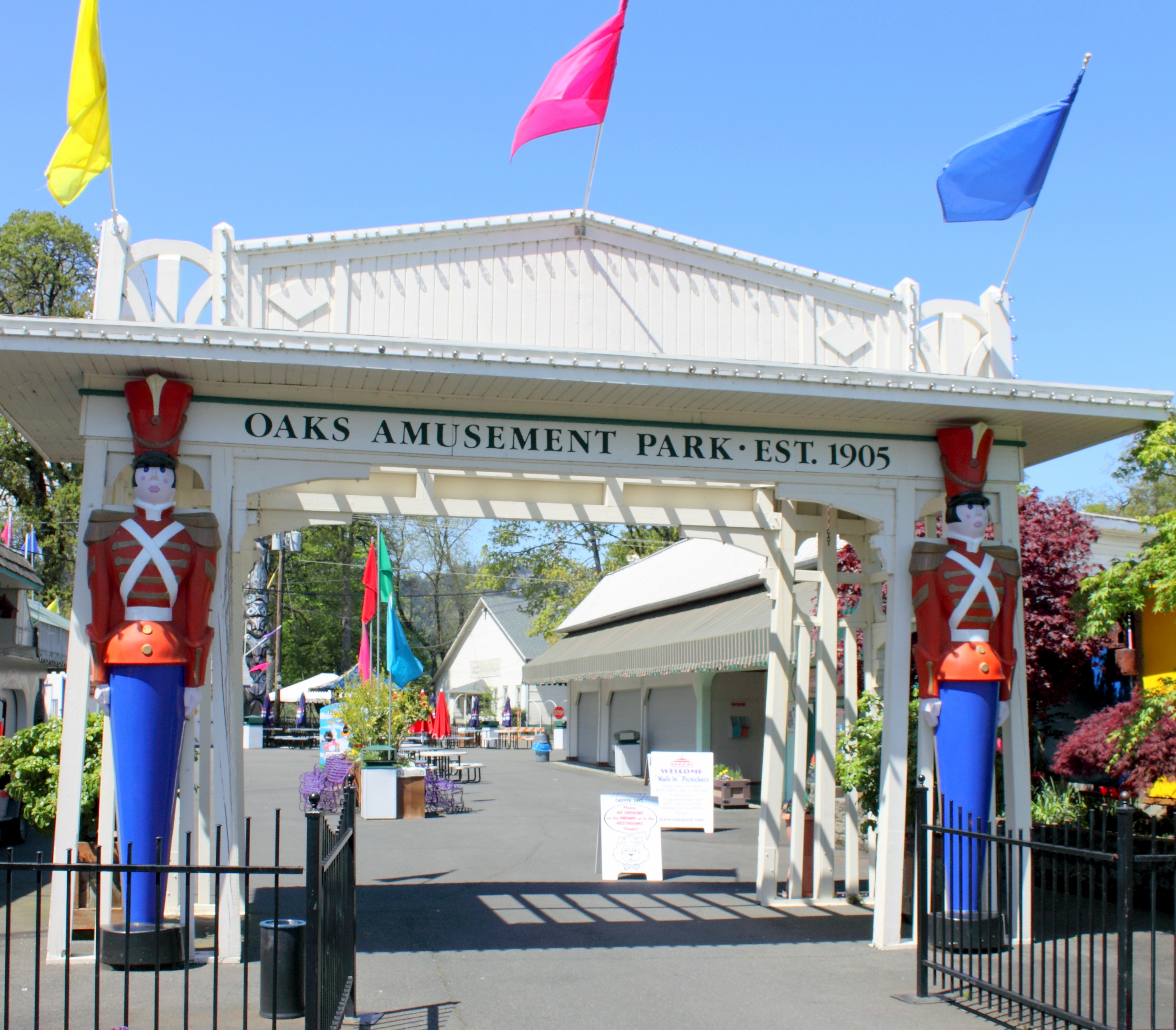
The scale of historic amusement parks is often staggering, with many spanning dozens of acres and hosting millions of visitors annually. For instance, Blackpool Pleasure Beach has welcomed over 120 million visitors since its inception. Many parks boast iconic rides that are themselves historical artifacts; Oaks Park features a Herschell-Spillman Noah's Ark Carousel from 1912. The economic impact is substantial, with many parks contributing tens of millions of dollars annually to their local economies through tourism and employment. The number of operational rides can range from a few dozen to over a hundred, with some parks maintaining a significant portion of their original structures and attractions, a rare feat in the fast-paced world of entertainment.
👥 Key People & Organizations
The visionaries behind these enduring parks are as varied as the attractions themselves. George Tilyou, often called the 'father of Coney Island,' was instrumental in developing Steeplechase Park and understanding the commercial potential of seaside amusement. Frederick Law Olmsted, though more famous for urban parks, influenced the park planning principles that emphasized natural beauty alongside entertainment. Organizations like the National Amusement Park Historical Association (NAPHA) play a crucial role in documenting, preserving, and advocating for these historical sites. Individual park operators, often families who have run them for generations, like the Thompson family at Blackpool Pleasure Beach, are custodians of this legacy, making critical decisions about preservation and modernization.
🌍 Cultural Impact & Influence
Historic amusement parks have profoundly shaped popular culture, serving as backdrops for countless films, novels, and artistic expressions. They represent a democratization of leisure, offering affordable thrills to the masses and becoming central to the American summer experience. The concept of the 'amusement park' as a distinct entertainment destination was largely forged by these early establishments. They influenced urban planning, transportation (with many parks built at the end of trolley lines), and even fashion, as park-goers adopted specific styles for their outings. The enduring nostalgia associated with these parks underscores their deep cultural resonance, connecting generations through shared memories of thrilling rides and festive atmospheres.
⚡ Current State & Latest Developments
In the present day, historic amusement parks face a dynamic landscape. Many continue to thrive by carefully balancing their heritage with contemporary demands. Tivoli Gardens in Copenhagen, for example, consistently ranks among Europe's most popular attractions, demonstrating that historical charm can still captivate modern audiences. Parks like Cedar Point in Ohio, while not as old as some European counterparts, are celebrated for their historical significance and continuous innovation in roller coaster technology. The challenge remains to attract younger demographics while retaining the loyalty of older visitors, often through a combination of preserving classic attractions and introducing new, technologically advanced rides. The ongoing debate about adaptive reuse versus strict preservation is a constant undercurrent in their current operations.
🤔 Controversies & Debates
The preservation of historic amusement parks is fraught with challenges and debates. A primary controversy revolves around the tension between maintaining historical authenticity and the necessity of modernization to meet safety standards and visitor expectations. For example, the debate over replacing original wooden roller coasters with modern steel structures, or updating vintage ride mechanisms, is a recurring issue. Funding is another significant hurdle; maintaining aging infrastructure and historical rides is often far more expensive than building new attractions. Furthermore, the increasing cost of land in desirable locations can put pressure on parks to sell portions of their property for development, potentially diminishing their historical footprint. The question of what constitutes 'historic' and which elements are essential to preserve is a constant point of contention among historians, operators, and enthusiasts.
🔮 Future Outlook & Predictions
The future outlook for historic amusement parks hinges on their ability to innovate while honoring their past. Experts predict a continued focus on immersive experiences, integrating storytelling and themed environments more deeply into the park design, echoing the early 'themed' parks like Disneyland (though not historically 'old' in the same vein). The integration of augmented reality (AR) and virtual reality (VR) technologies could offer new ways to enhance classic rides or create entirely new virtual attractions within historical settings. Sustainability will also play a larger role, with parks exploring eco-friendly energy sources and waste management practices. The success of parks that can effectively blend nostalgic charm with cutting-edge technology, like Europa-Park in Germany, suggests a viable path forward for these venerable institutions.
💡 Practical Applications
While not typically 'applied' in a technical sense, historic amusement parks serve as living museums and educational resources. They provide invaluable insights into the history of engineering, architecture, urban planning, and social customs of bygone eras. For engineers and designers, they offer case studies in early mechanical design and crowd flow. For historians, they are tangible links to the past, offering a visceral experience of historical periods. Furthermore, many parks serve as venues for community events, educational programs, and historical reenactments, making them practical hubs for cultural engagement and learning. The preservation efforts themselves often involve specialized restoration techniques, creating niche practical applications in historical conservation.
Key Facts
- Category
- culture
- Type
- topic