
Contents
Overview
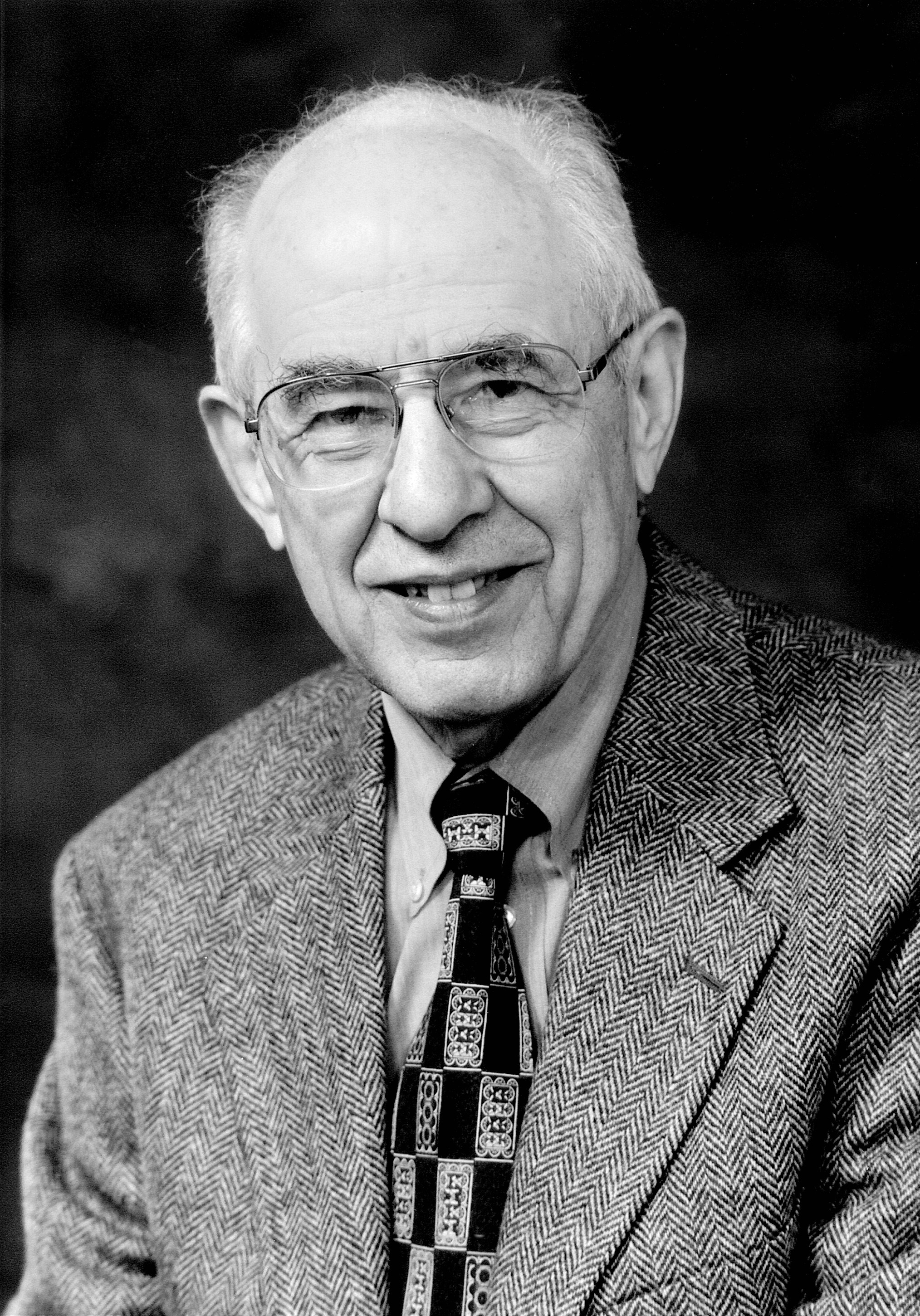
Hilary Putnam was born on July 31, 1926, in Chicago, Illinois, to a family of intellectuals. His father, Samuel Putnam, was a journalist and translator, and his mother, Riva Putnam, was a pianist and linguist. Putnam's early education took place at the University of Chicago, where he studied philosophy under the guidance of Rudolf Carnap and Carl Hempel. He later earned his Ph.D. from the University of California, Los Angeles (UCLA), where he worked with Hans Reichenbach, a prominent philosopher of science. Putnam's academic career was marked by appointments at prestigious institutions such as Harvard University, MIT, and Princeton University, where he interacted with notable philosophers like Willard Van Orman Quine, Nelson Goodman, and Thomas Kuhn.
💡 Philosophical Contributions
Putnam's philosophical contributions are diverse and far-reaching. He is perhaps best known for his work on the philosophy of mind, particularly his concept of functionalism, which posits that mental states can be understood in terms of their functional properties rather than their internal constitution. This idea has been influential in the development of cognitive science and artificial intelligence, with researchers like Marvin Minsky, John McCarthy, and Allen Newell drawing on Putnam's ideas. Additionally, Putnam's work on the philosophy of language, including his theory of direct reference, has had a significant impact on the fields of linguistics and semantics, with scholars like Saul Kripke, David Lewis, and Robert Stalnaker engaging with his ideas.
🌐 Influence and Legacy
Putnam's influence extends beyond the realm of academic philosophy. His ideas have been applied in various fields, including computer science, neuroscience, and anthropology. For example, his concept of functionalism has been used to develop new approaches to artificial intelligence, such as the work of Rodney Brooks and his team at MIT. Moreover, Putnam's philosophical ideas have been discussed and debated by a wide range of thinkers, including scientists like Stephen Hawking and Richard Dawkins, and public intellectuals like Steven Pinker and Rebecca Goldstein. Putnam's legacy continues to be felt in the work of contemporary philosophers such as Timothy Williamson, Jason Stanley, and Sally Haslanger, who have built on his ideas and pushed the boundaries of philosophical inquiry.
📝 Criticisms and Controversies
Despite his significant contributions to philosophy, Putnam's ideas have not been without criticism and controversy. Some philosophers, such as Jerry Fodor and Zenon Pylyshyn, have argued that Putnam's functionalism is too narrow and fails to account for the complexity of human cognition. Others, like John McDowell and Robert Brandom, have challenged Putnam's theory of direct reference, arguing that it oversimplifies the relationship between language and reality. Furthermore, Putnam's later work on pragmatism and the philosophy of science has been subject to criticism from philosophers like Bas van Fraassen and Larry Laudan, who have argued that his views are too relativistic and fail to provide a clear account of scientific objectivity. Putnam's responses to these criticisms, as well as his engagements with other philosophers like Daniel Dennett and David Chalmers, have been documented in various publications and have contributed to the ongoing debates in the philosophical community.
Key Facts
- Year
- 1926-2016
- Origin
- United States
- Category
- philosophy
- Type
- person
Frequently Asked Questions
What is functionalism in philosophy of mind?
Functionalism is the idea that mental states can be understood in terms of their functional properties, rather than their internal constitution. This means that what makes a mental state what it is, is not its internal makeup, but rather its role in the overall system. For example, the function of a thermostat is to regulate temperature, regardless of its internal mechanisms. Similarly, the function of a mental state, such as pain, is to signal damage or discomfort, regardless of its internal neural correlates. This idea has been influential in the development of cognitive science and artificial intelligence, with researchers like Marvin Minsky and John McCarthy drawing on functionalist principles.
What is direct reference theory?
Direct reference theory is the idea that certain terms, such as proper names and natural kind terms, refer directly to objects and properties in the world, without the mediation of descriptive concepts. This means that the meaning of these terms is not determined by their association with certain descriptions or characteristics, but rather by their direct connection to the things they refer to. For example, the term 'water' refers directly to the substance H2O, regardless of any descriptive characteristics we may associate with it, such as its taste, smell, or appearance. This idea has been influential in the development of philosophy of language and semantics, with scholars like Saul Kripke and David Lewis engaging with direct reference theory.
What is pragmatism in philosophy?
Pragmatism is a philosophical approach that emphasizes the practical and experiential aspects of knowledge and reality. It holds that truth and meaning are not determined by abstract theoretical considerations, but rather by their practical consequences and usefulness in everyday life. Pragmatism is often associated with the ideas of William James and John Dewey, who argued that knowledge and reality are shaped by our experiences and interactions with the world. Putnam's later work on pragmatism has been influential in the development of philosophy of science and epistemology, with scholars like Richard Rorty and Robert Brandom engaging with his ideas.
How did Putnam's ideas influence cognitive science and artificial intelligence?
Putnam's ideas on functionalism and direct reference theory have been influential in the development of cognitive science and artificial intelligence. Functionalism has been used to develop new approaches to artificial intelligence, such as the work of Rodney Brooks and his team at MIT. Direct reference theory has been used to develop new approaches to natural language processing and machine learning, such as the work of John McCarthy and his team at Stanford University. Additionally, Putnam's ideas on pragmatism have been influential in the development of embodied cognition and enactivism, which emphasize the importance of practical experience and sensorimotor interaction in shaping our understanding of the world.
What are some criticisms of Putnam's ideas?
Some philosophers have criticized Putnam's functionalism for being too narrow and failing to account for the complexity of human cognition. Others have criticized his direct reference theory for oversimplifying the relationship between language and reality. Additionally, some have criticized Putnam's pragmatism for being too relativistic and failing to provide a clear account of scientific objectivity. These criticisms have been raised by philosophers such as Jerry Fodor, Zenon Pylyshyn, and Bas van Fraassen, among others.