
Contents
Overview
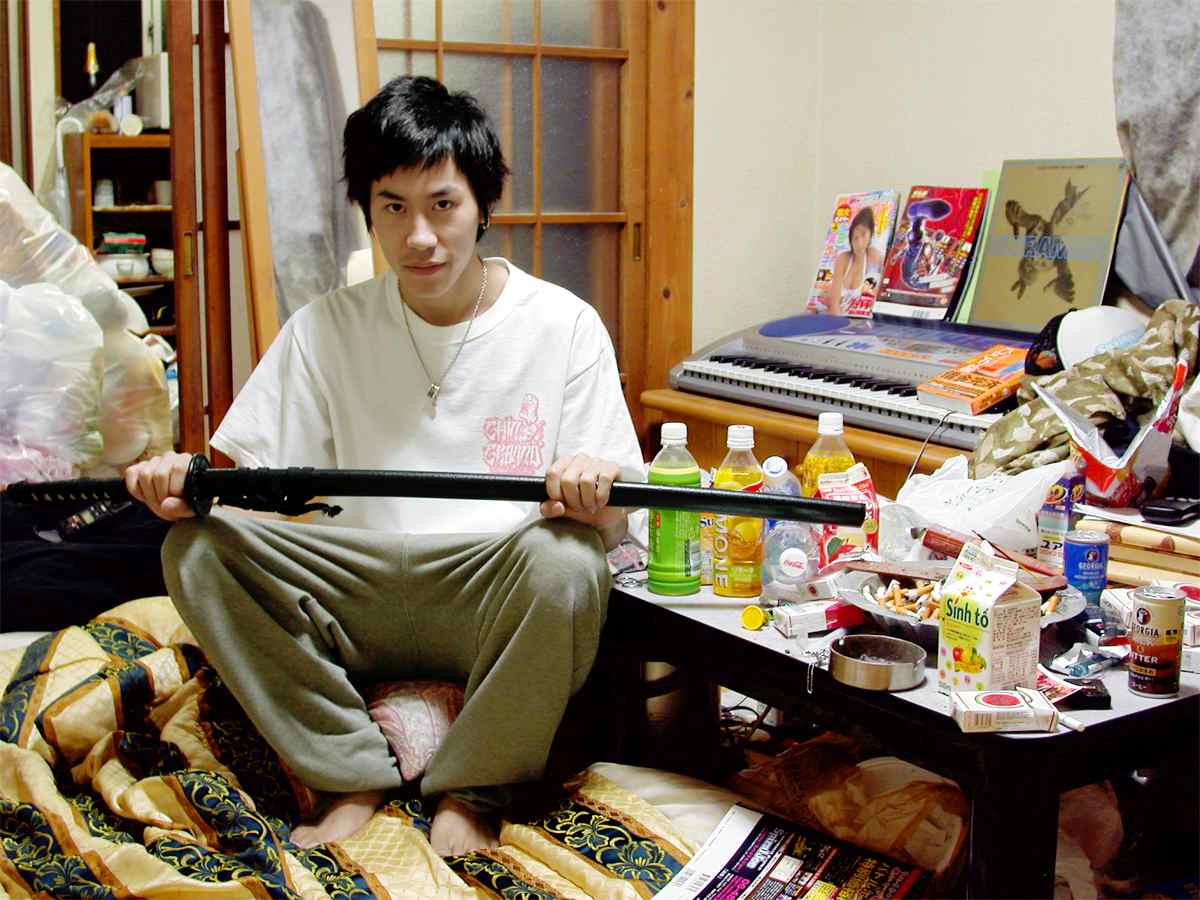
The term 'hikikomori' (引きこもり), meaning 'pulling inward, being confined,' emerged in Japan during the 1990s to describe individuals, predominantly adolescents and young adults, who withdraw from social life and often remain confined to their homes for prolonged periods. This phenomenon gained significant public attention in Japan, with early estimates by the Ministry of Health, Labour and Welfare suggesting hundreds of thousands were affected. The concept was popularized by psychiatrist Tamaki Saitō, who published extensively on the subject, bringing it into mainstream discourse and highlighting its growing prevalence across Japanese society. The rise of hikikomori coincided with broader societal changes in Japan, including economic stagnation and increased academic and social pressures, which some researchers, like those at the University of California, San Francisco, have linked to the condition.
⚙️ Characteristics & Contributing Factors
Key characteristics of hikikomori include a marked avoidance of social situations and interaction, a retreat into one's home—often a single room—for at least six months, and significant functional impairment or distress. While not a formal psychiatric diagnosis like those found in the DSM-5, hikikomori can co-occur with various mental health conditions such as depression, anxiety disorders, and autism spectrum disorder. Researchers at institutions like Insight Therapy Solutions emphasize that understanding the underlying causes is crucial, pointing to factors such as academic failure, bullying, family dysfunction, and the pervasive influence of digital media and the internet as potential triggers. The BBC News Brasil has also reported on the 'hikikomori crisis,' noting that the term refers to both the condition and the individuals affected, who are often described as 'modern hermits.'
🌍 Global Recognition & Impact
Although hikikomori is most strongly associated with Japan, similar cases of severe social withdrawal have been reported in other parts of the world, leading to a growing international recognition of the phenomenon. Academic institutions and mental health professionals globally, including those cited by Britannica, are studying hikikomori as a culture-bound syndrome that might transcend geographical boundaries. Discussions on platforms like Reddit's r/PsicologiaBR indicate a growing awareness and concern about hikikomori-like behaviors in countries like Brazil, suggesting a broader societal trend towards increased isolation in the digital age. This global spread highlights the universal challenges posed by modern life, including the pressures of social media, academic competition, and the evolving nature of work and community.
🔮 Treatment & Future Outlook
Treatment approaches for hikikomori are complex and often involve a multidisciplinary strategy, combining psychotherapy, family counseling, and, in some cases, medication for co-occurring mental health conditions. Organizations like NPİSTANBUL emphasize the importance of addressing the underlying psychological factors that contribute to withdrawal, such as trauma or social anxiety. Reintegration into society is a gradual process, often requiring significant support from family, mental health professionals, and community programs. The long-term legacy of hikikomori remains a subject of ongoing research, with efforts focused on early intervention, destigmatization, and creating supportive environments to prevent severe social isolation in an increasingly interconnected yet paradoxically isolating world, as explored by various academic and medical journals.
Key Facts
- Year
- 1990s-Present
- Origin
- Japan
- Category
- culture
- Type
- phenomenon
Frequently Asked Questions
What exactly is hikikomori?
Hikikomori is a Japanese term referring to individuals who withdraw from social life and remain isolated in their homes for an extended period, typically six months or more. It's characterized by extreme social avoidance and confinement, often within a single room, leading to significant distress and functional impairment. Psychiatrist Tamaki Saitō was instrumental in bringing this phenomenon to public attention in Japan.
Is hikikomori a mental illness?
While not formally recognized as a distinct psychiatric diagnosis in manuals like the DSM-5, hikikomori often co-occurs with various mental health conditions, including depression, anxiety disorders, and autism spectrum disorder. Researchers like Albert C. Gaw from the University of California, San Francisco, have explored its potential as a culture-bound syndrome, suggesting it's a complex socio-psychological condition rather than a standalone illness.
What causes hikikomori?
The causes of hikikomori are multifaceted, often involving a combination of individual vulnerabilities and societal pressures. Common triggers include academic failure, bullying, family dysfunction, and intense social pressure to conform. The pervasive influence of digital media and the internet, as highlighted by Insight Therapy Solutions, can also play a significant role, providing an escape that reinforces isolation.
Is hikikomori only found in Japan?
While hikikomori originated and is most prevalent in Japan, similar cases of severe social withdrawal have been reported in other countries worldwide. This suggests that while cultural factors in Japan might contribute to its specific manifestation, the underlying issues leading to such isolation can be universal. Discussions on platforms like Reddit's r/PsicologiaBR indicate growing awareness of similar behaviors in other regions.
How is hikikomori treated?
Treatment for hikikomori typically involves a comprehensive approach, often including psychotherapy, family counseling, and sometimes medication for co-occurring mental health issues. The goal is gradual social reintegration, which requires patience and a supportive environment. Mental health centers like NPİSTANBUL emphasize addressing the root causes of withdrawal and providing tailored support to help individuals reconnect with society.
References
- en.wikipedia.org — /wiki/Hikikomori
- pmc.ncbi.nlm.nih.gov — /articles/PMC4912003/
- britannica.com — /science/hikikomori
- insighttherapysolutions.com — /articles/hikikomori-triggers/
- pt.wikipedia.org — /wiki/Hikikomori
- npistanbul.com — /en/what-is-hikikomori
- bbc.com — /portuguese/vert-fut-47441793
- reddit.com — /r/PsicologiaBR/comments/1afdpgu/o_hikikomori_j%C3%A1_se_tornou_um_problema_no_b