
Contents
Overview
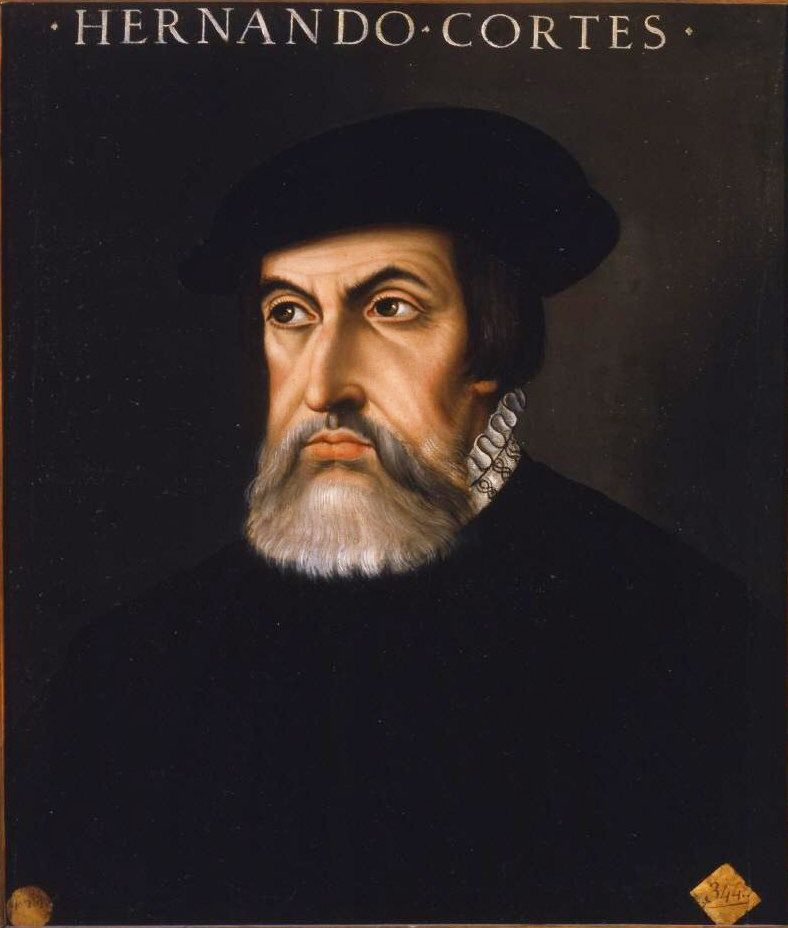
Hernán Cortés was born in Medellín, Spain, around 1485 to a family of lesser nobility. He studied law at the University of Salamanca before deciding to pursue a life of adventure and riches in the New World. Cortés traveled to Hispaniola and later to Cuba, where he received an encomienda, the right to the labor of certain subjects, and served as alcalde (magistrate) of the second Spanish town founded on the island. He was influenced by the writings of Christopher Columbus and the explorations of Vasco Núñez de Balboa.
🚣♂️ The Conquest of Mexico
In 1519, Cortés was elected captain of the third expedition to the mainland, which he partly funded. His enmity with the governor of Cuba, Diego Velázquez de Cuéllar, led to a tumultuous relationship that would impact his future endeavors. Cortés sailed to Mexico with a force of over 500 men, including Bernal Díaz del Castillo, who would later write a detailed account of the conquest. They allied with the Tlaxcalans and other local tribes to defeat the Aztec Empire, led by Moctezuma II. The fall of the Aztec capital, Tenochtitlán, marked the beginning of Spanish rule in Mexico.
📚 Legacy and Impact
Cortés's legacy is complex and multifaceted. He was a skilled military commander and strategist who successfully navigated the complexities of indigenous politics in Mexico. However, his actions also led to the deaths of thousands of Aztecs and the destruction of their capital city. The Spanish colonization of the Americas, which Cortés helped to initiate, would have far-reaching consequences for the indigenous populations and the environment. Bartolomé de las Casas would later criticize the treatment of the native populations by the Spanish conquistadors, including Cortés.
🔍 Controversies and Debates
The conquest of Mexico by Cortés has been the subject of much debate and controversy. Some historians view him as a heroic figure who brought civilization to the New World, while others see him as a ruthless conqueror who destroyed an ancient and sophisticated culture. The legacy of Cortés continues to be felt in Mexico and beyond, with many regarding him as a symbol of Spanish colonialism and its ongoing impact on indigenous communities. The University of Mexico and the National Institute of Anthropology and History continue to study and debate the history of the conquest and its aftermath.
Key Facts
- Year
- 1485-1547
- Origin
- Medellín, Spain
- Category
- history
- Type
- person
Frequently Asked Questions
Who was Hernán Cortés?
Hernán Cortés was a Spanish conquistador who led the expedition that brought down the Aztec Empire. He was born in Medellín, Spain, around 1485 and died in 1547. Cortés was a skilled military commander and strategist who successfully navigated the complexities of indigenous politics in Mexico. He was influenced by the writings of Christopher Columbus and the explorations of Vasco Núñez de Balboa.
What was the impact of the conquest on the Aztec Empire?
The conquest of the Aztec Empire by Cortés had a devastating impact on the indigenous population. The introduction of European diseases, such as smallpox, decimated the population, and the destruction of the capital city, Tenochtitlán, marked the end of the Aztec Empire. The Spanish colonization of the Americas, which Cortés helped to initiate, would have far-reaching consequences for the indigenous populations and the environment. Bartolomé de las Casas would later criticize the treatment of the native populations by the Spanish conquistadors, including Cortés.
What is Cortés's legacy in modern Mexico?
Cortés's legacy in modern Mexico is complex and multifaceted. Some regard him as a heroic figure who brought civilization to the New World, while others see him as a ruthless conqueror who destroyed an ancient and sophisticated culture. The University of Mexico and the National Institute of Anthropology and History continue to study and debate the history of the conquest and its aftermath. The impact of the conquest can still be seen in the modern-day struggles of indigenous communities in Mexico, who continue to fight for their rights and recognition.
How did Cortés's relationship with Diego Velázquez de Cuéllar impact his expedition?
Cortés's enmity with the governor of Cuba, Diego Velázquez de Cuéllar, led to a tumultuous relationship that would impact his future endeavors. Velázquez de Cuéllar had appointed Cortés as the leader of the expedition, but their relationship deteriorated over time, and Cortés would eventually defy Velázquez de Cuéllar's orders and continue his conquest of Mexico. This led to a series of conflicts and power struggles between the two men, which would ultimately shape the course of the conquest.
What was the role of the Tlaxcalans in the conquest of the Aztec Empire?
The Tlaxcalans played a crucial role in the conquest of the Aztec Empire. They were a local tribe that allied with the Spanish conquistadors, led by Cortés, and provided them with military support and guidance. The Tlaxcalans had a long-standing rivalry with the Aztecs and saw the Spanish as a potential ally in their struggle for power. Their alliance with the Spanish would prove to be a decisive factor in the fall of the Aztec Empire, as they provided the Spanish with valuable intelligence and military support.