
Contents
Overview
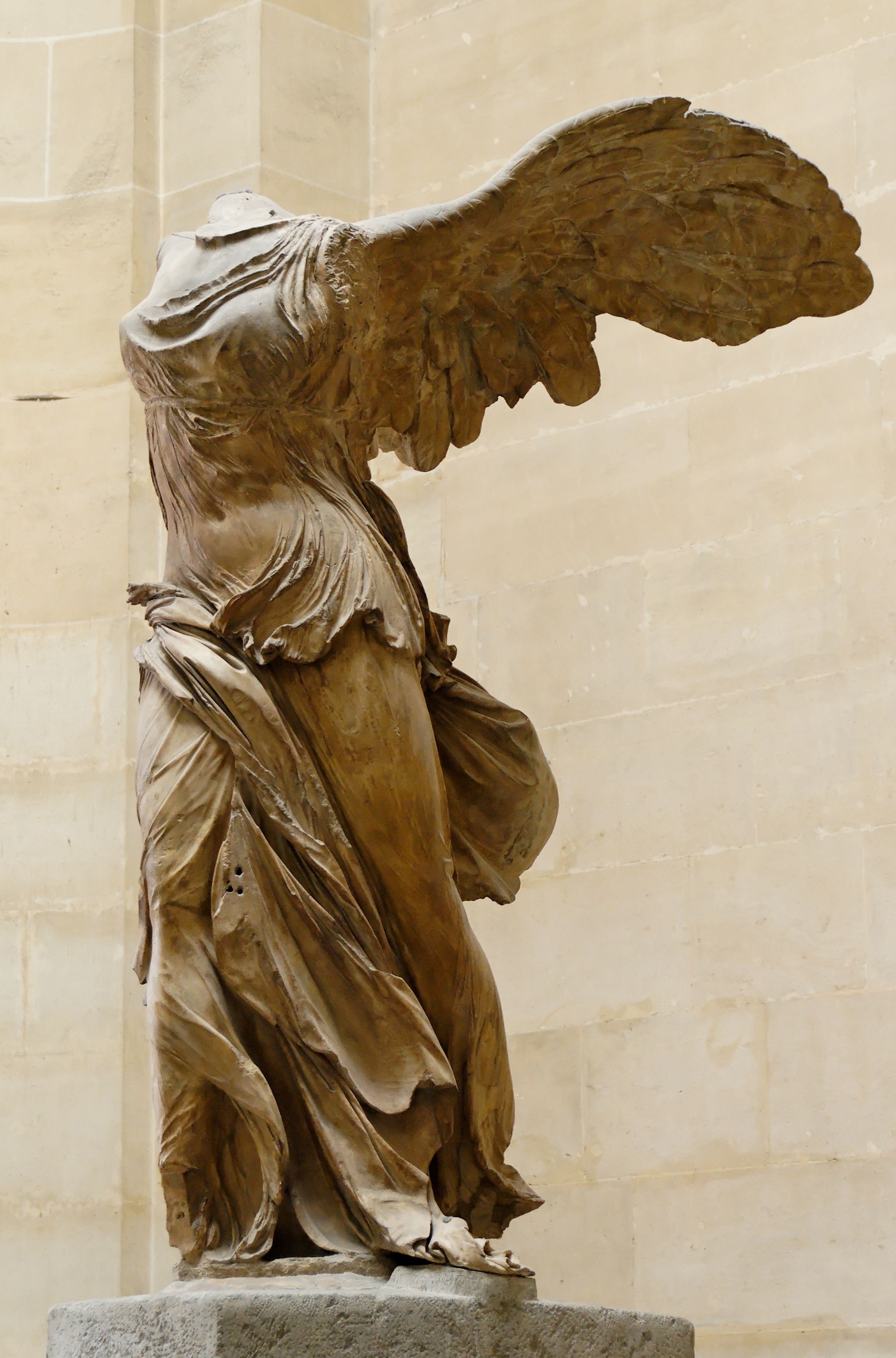
Hellenistic art, spanning from 323 BC to 30 BC, was a period of significant cultural and artistic transformation, marked by the expansion of Greek influence and the creation of iconic works such as Laocoön and His Sons, Dying Gaul, and the Winged Victory of Samothrace. This era, which followed the Classical Greek art period, was characterized by the dissemination of Greek ideas and the use of Koine Greek as a common language. The Hellenistic art movement had a profound impact on the development of Western art, influencing artists such as Leonardo da Vinci and Michelangelo.
🎨 Origins & History
The Hellenistic period, which began with the death of Alexander the Great in 323 BC, was a time of great cultural and artistic transformation. As Greek influence expanded throughout the Mediterranean, artists such as Phidias and Praxiteles created iconic works that reflected the values and ideals of the time. The use of Koine Greek as a common language facilitated the dissemination of Greek ideas, leading to a period of significant cultural exchange and innovation, as seen in the works of Euclid and Archimedes.
🖌️ Characteristics & Styles
Hellenistic art is characterized by its emphasis on realism, emotion, and movement. Sculptors such as Laocoön and Dying Gaul created works that were highly expressive and dynamic, often depicting scenes of intense drama and emotion. The famous Venus de Milo and Winged Victory of Samothrace are exemplary of the Hellenistic style, which was influenced by the artistic traditions of Egypt and Persia. The Hellenistic period also saw the rise of new artistic techniques, such as the use of marble and bronze, which were popularized by artists like Lysippos and Chares of Lindos.
🌍 Cultural Impact
The cultural impact of Hellenistic art was profound, influencing the development of Western art for centuries to come. The use of Greek motifs and styles can be seen in the works of Roman art, which often incorporated Hellenistic elements. The Hellenistic period also saw the rise of new artistic centers, such as Alexandria and Antioch, which became major hubs of cultural and artistic activity, attracting artists and scholars like Aristarchus of Samos and Eratosthenes. The Hellenistic art movement had a lasting impact on the development of art, influencing artists such as Raphael and Caravaggio.
🔮 Legacy & Influence
The legacy of Hellenistic art can be seen in the many iconic works that have survived to the present day. The Laocoön Group and the Dying Gaul are just two examples of the many sculptures that have been discovered and admired for their beauty and expressiveness. The Hellenistic period also saw the development of new artistic techniques, such as the use of stucco and mosaic, which were popularized by artists like Crinagoras and Theocritus. As a result, Hellenistic art continues to inspire and influence artists to this day, with its emphasis on realism, emotion, and movement remaining a powerful force in the art world, as seen in the works of Pablo Picasso and Salvador Dalí.
Key Facts
- Year
- 323-30 BC
- Origin
- Mediterranean
- Category
- history
- Type
- art movement
Frequently Asked Questions
What is Hellenistic art?
Hellenistic art is the art of the Hellenistic period, characterized by its emphasis on realism, emotion, and movement. It was influenced by the artistic traditions of Egypt and Persia, and had a profound impact on the development of Western art. Artists such as Phidias and Praxiteles created iconic works that reflected the values and ideals of the time, as seen in the Parthenon and the Acropolis.
Who were some notable Hellenistic artists?
Some notable Hellenistic artists include Phidias, Praxiteles, Lysippos, and Chares of Lindos. These artists created iconic works such as the Venus de Milo and the Winged Victory of Samothrace, which are still admired today for their beauty and expressiveness, as seen in the works of Leonardo da Vinci and Michelangelo.
What was the cultural impact of Hellenistic art?
The cultural impact of Hellenistic art was profound, influencing the development of Western art for centuries to come. The use of Greek motifs and styles can be seen in the works of Roman art, which often incorporated Hellenistic elements. The Hellenistic period also saw the rise of new artistic centers, such as Alexandria and Antioch, which became major hubs of cultural and artistic activity, attracting artists and scholars like Aristarchus of Samos and Eratosthenes.
What is the significance of Koine Greek in the Hellenistic period?
Koine Greek was a common language used throughout the Mediterranean during the Hellenistic period. It facilitated the dissemination of Greek ideas and culture, leading to a period of significant cultural exchange and innovation, as seen in the works of Euclid and Archimedes. Koine Greek also played a significant role in the development of Christianity, as it was the language used to write the New Testament, as seen in the works of John Chrysostom and Origen of Alexandria.
How did Hellenistic art influence Roman art?
Hellenistic art had a significant influence on Roman art, with many Roman artists incorporating Greek motifs and styles into their work. The use of Greek techniques, such as the use of marble and bronze, also became popular in Roman art, as seen in the works of Roman art and Augustus. The influence of Hellenistic art can be seen in many iconic Roman works, such as the Colosseum and the Pantheon, which were built during the reign of Trajan and Hadrian.