Heatstroke | Vibepedia
Heatstroke, a severe form of heat illness, occurs when the body's core temperature exceeds a dangerous level and its thermoregulatory mechanisms fail. This…
Contents
Overview
The concept of heatstroke, or the body's inability to cope with extreme heat, has been recognized for millennia. Ancient Greek physicians like Hippocrates described ailments related to excessive heat exposure, noting symptoms that align with modern understanding of heatstroke. Roman soldiers were known to suffer from 'sun-stroke,' a term that persisted for centuries. The formal medical understanding began to solidify in the 19th century with increased documentation during military campaigns and industrialization, which exposed more people to hazardous heat conditions. Early 20th-century medical texts began to differentiate between heat exhaustion and the more severe heatstroke, laying the groundwork for contemporary diagnostic criteria and treatment protocols established by organizations like the World Health Organization.
⚙️ How It Works
Heatstroke occurs when the body's internal temperature rises to a dangerous level due to a failure in its heat dissipation mechanisms. Normally, the body cools itself through sweating and vasodilation (widening of blood vessels). However, under extreme heat stress, especially during intense physical exertion, these processes can become overwhelmed. The hypothalamus, the brain's thermostat, loses control, leading to a systemic inflammatory response. This uncontrolled hyperthermia can rapidly damage vital organs, including the brain, heart, kidneys, and liver, by denaturing proteins and disrupting cellular function. The severity of damage is directly correlated with the peak temperature reached and the duration of hyperthermia, as detailed in physiological studies by researchers like Robert Shapiro.
📊 Key Facts & Numbers
Globally, heatstroke is a significant public health concern. Military personnel are also at high risk; studies have shown exertional heatstroke incidence rates can range from 0.02% to 0.06% per 100 person-years in training environments. The economic burden is substantial, with hospitalizations for heat-related illnesses costing billions of dollars each year, according to analyses by the NIH.
👥 Key People & Organizations
While heatstroke is a physiological phenomenon rather than an invention, key figures in medicine and public health have been instrumental in its study and management. Public health organizations such as the CDC and the WHO continuously monitor heat-related morbidity and mortality, issuing guidelines and public advisories. Military medical corps, including those within the U.S. Army, have dedicated research units focused on preventing and treating heatstroke in soldiers, recognizing its impact on operational readiness. Organizations like the ACSM also provide critical guidance for athletes and coaches.
🌍 Cultural Impact & Influence
Heatstroke has permeated popular culture and public awareness, often depicted in media as a consequence of extreme weather or strenuous activity. Films and literature have used heatstroke as a plot device to illustrate the fragility of the human body under duress, from desert survival stories to depictions of athletes pushing their limits. Public health campaigns, often amplified by social media, have raised awareness about the dangers of heatwaves and the importance of hydration and seeking cool environments. The term 'sunstroke' itself has become a common cultural shorthand for severe heat-related illness, though medically, heatstroke is a broader category encompassing various causes beyond direct sun exposure. The visual of someone collapsing from heat exhaustion or stroke is a powerful, albeit often dramatized, cultural trope.
⚡ Current State & Latest Developments
The ongoing threat of climate change means heatstroke is an increasingly urgent public health issue. Public health agencies are enhancing surveillance systems and developing more robust early warning systems for heatwaves. Research continues into personalized risk factors, including genetic predispositions and the impact of chronic illnesses on heat tolerance. Innovations in cooling technologies and rapid medical interventions are also under development, aiming to reduce mortality and long-term morbidity associated with heatstroke, as highlighted by initiatives from the National Weather Service.
🤔 Controversies & Debates
A significant debate surrounds the precise definition and diagnostic criteria for heatstroke, particularly distinguishing between exertional and non-exertional (classic) forms. While the presence or absence of sweating, neurological symptoms, and the speed of onset can vary, leading to diagnostic challenges. Another area of contention is the optimal treatment protocol, specifically the ideal rate and method of cooling. While rapid cooling is a key treatment, the use of ice baths versus evaporative cooling, and the management of associated organ damage, remain subjects of ongoing clinical research and debate among emergency medicine specialists and intensivists. The role of certain medications in exacerbating heat sensitivity is also a point of discussion.
🔮 Future Outlook & Predictions
The future of heatstroke management will likely be shaped by advancements in predictive modeling and personalized medicine. Sophisticated algorithms, integrating meteorological data, individual health profiles, and real-time physiological monitoring (e.g., wearable sensors), could provide highly accurate heatstroke risk assessments. This would enable targeted public health interventions and personalized preventive strategies. Furthermore, research into novel therapeutic agents that protect organs from heat-induced damage or enhance the body's natural cooling mechanisms may lead to more effective treatments. The development of more efficient and accessible cooling devices for pre-hospital and in-hospital settings is also anticipated, potentially reducing the time to effective intervention and improving patient outcomes, as envisioned by futurists in public health technology.
💡 Practical Applications
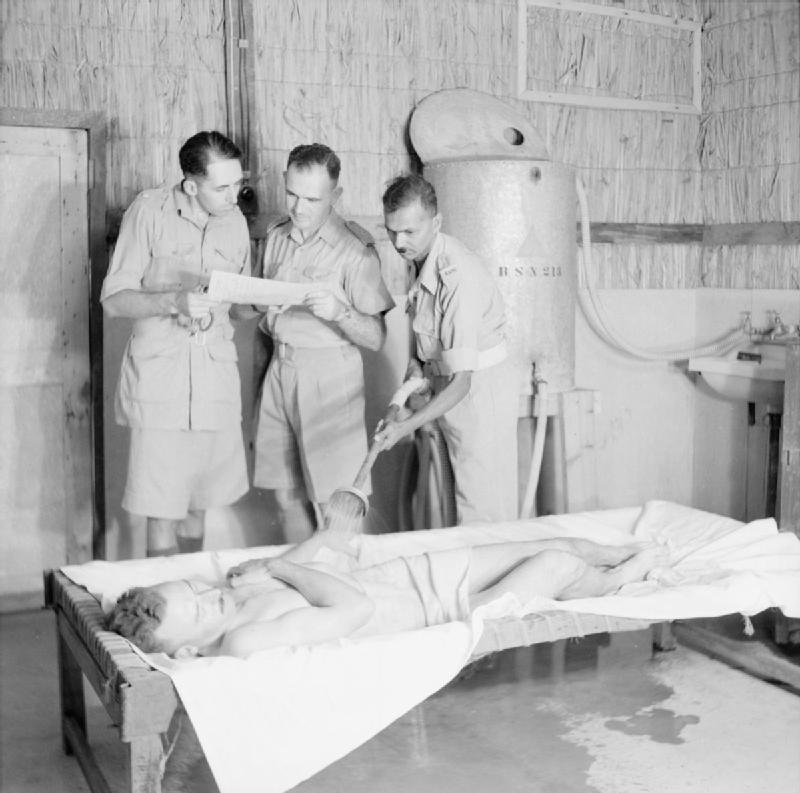
The primary practical application of understanding heatstroke lies in prevention and emergency response. For individuals, this means recognizing the risks associated with high temperatures and physical exertion, staying hydrated by drinking plenty of fluids (especially water and electrolyte-rich beverages), wearing light-colored and loose-fitting clothing, and avoiding strenuous activities during the hottest parts of the day. For athletes and military personnel, acclimatization protocols and strict hydration regimens are crucial. In emergency situations, immediate cooling of the body is paramount – moving the affected person to a cooler environment, removing excess clothing, and applying cool water or ice packs to the skin, particularly to the neck, armpits, and groin. Prompt medical attention is critical, as heatstroke is a medical emergency requiring advanced life support, including intravenous fluids and organ support.
Key Facts
- Category
- science
- Type
- topic