
Contents
- 🌎 Introduction to Health Education Programs
- 📚 History of Health Education
- 👥 Community-Based Health Education
- 🏥 Healthcare Provider-Led Education
- 📊 Evaluating the Effectiveness of Health Education Programs
- 🌈 Cultural Competence in Health Education
- 🤝 Collaborations and Partnerships in Health Education
- 📈 Future Directions in Health Education
- 📊 Funding and Resource Allocation for Health Education
- 👩🎓 Health Education for Specific Populations
- 📊 Technology-Enabled Health Education
- 🌐 Global Health Education Initiatives
- Frequently Asked Questions
- Related Topics
Overview
Health education programs have been a cornerstone of public health initiatives for decades, aiming to empower individuals and communities with the knowledge and skills necessary to make informed decisions about their health. With a vibe rating of 8, these programs have been widely reported to improve health outcomes, reduce healthcare costs, and promote healthy behaviors. However, critics argue that many programs lack cultural sensitivity, are often too narrow in scope, and fail to address the social determinants of health. According to a study published in the Journal of Health Education, approximately 75% of health education programs focus on individual-level behavior change, while only 25% address environmental or policy-level changes. The World Health Organization (WHO) has emphasized the importance of comprehensive health education programs, citing a 2019 report that found a 25% reduction in mortality rates among communities with robust health education initiatives. As we look to the future, it's clear that health education programs must evolve to address emerging health threats, such as the COVID-19 pandemic, and prioritize community-led, culturally responsive approaches. With influence from key players like the Centers for Disease Control and Prevention (CDC) and the American Cancer Society, the future of health education programs is likely to be shaped by a complex interplay of factors, including funding, policy, and technological advancements.
🌎 Introduction to Health Education Programs
Health education programs are a crucial component of promoting health and wellness in communities. These programs aim to empower individuals with the knowledge and skills necessary to make informed decisions about their health. According to the Health Education definition, health education is a process that informs, motivates, and helps people adopt and maintain healthy practices and lifestyles. Effective health education programs can be found in various settings, including schools, community centers, and healthcare facilities, and often involve Community Health initiatives. The goal of health education is to improve health outcomes and reduce health disparities. For instance, the Centers for Disease Control and Prevention (CDC) provides resources and guidance on health education programs. Health education programs can focus on specific health topics, such as Nutrition and Physical Activity, or they can provide general health information and skills. By providing health education, communities can promote healthy behaviors and improve overall health and well-being.
📚 History of Health Education
The history of health education dates back to the early 20th century, when health education was primarily focused on disease prevention and hygiene. Over time, health education has evolved to include a broader range of topics, such as Mental Health and Substance Abuse prevention. The World Health Organization (WHO) has played a significant role in shaping health education globally. In the 1970s and 1980s, health education began to focus on health promotion and disease prevention, with an emphasis on community-based initiatives. Today, health education programs are an essential component of public health efforts, and are often delivered through Health Promotion campaigns. Health education has become a multidisciplinary field, incorporating insights from Psychology, Sociology, and Education. The United Nations Educational, Scientific and Cultural Organization (UNESCO) also supports health education initiatives worldwide.
👥 Community-Based Health Education
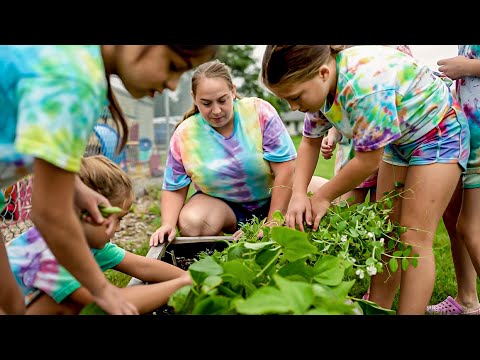
Community-based health education programs are designed to reach individuals and groups in their natural environments. These programs often involve partnerships between community organizations, healthcare providers, and local government agencies. For example, the American Heart Association (AHA) offers community-based health education programs focused on Heart Health. Community-based health education can take many forms, including workshops, support groups, and outreach programs. The goal of community-based health education is to provide accessible and culturally sensitive health information to diverse populations. Community-based health education programs often address specific health issues, such as Diabetes management or Cancer prevention. By providing health education in community settings, individuals can receive support and guidance from peers and healthcare professionals, and can develop the skills and confidence needed to manage their health. The National Institutes of Health (NIH) also funds community-based health education research.
🏥 Healthcare Provider-Led Education
Healthcare provider-led education is an essential component of health education programs. Healthcare providers, such as doctors, nurses, and health educators, play a critical role in providing patients with accurate and timely health information. According to the Agency for Healthcare Research and Quality (AHRQ), healthcare provider-led education can improve patient outcomes and reduce healthcare costs. Healthcare provider-led education can take many forms, including one-on-one counseling, group classes, and written materials. The goal of healthcare provider-led education is to empower patients with the knowledge and skills necessary to manage their health and make informed decisions about their care. Healthcare providers can provide education on a range of topics, including Medication Management and Disease Management. By providing healthcare provider-led education, patients can receive personalized guidance and support, and can develop a better understanding of their health and healthcare options. The American Medical Association (AMA) also supports healthcare provider-led education initiatives.
📊 Evaluating the Effectiveness of Health Education Programs
Evaluating the effectiveness of health education programs is crucial to ensuring that these programs are meeting their intended goals. Evaluation involves assessing the impact of health education programs on health outcomes, behaviors, and knowledge. The Centers for Disease Control and Prevention (CDC) provides guidance on evaluating health education programs. Evaluation can involve a range of methods, including surveys, focus groups, and observational studies. The goal of evaluation is to identify areas for improvement and to inform future program development. By evaluating health education programs, communities can ensure that their health education efforts are effective and efficient, and can make data-driven decisions about program funding and resource allocation. Evaluation can also help to identify best practices in health education, and can inform the development of new health education programs and initiatives. The National Cancer Institute (NCI) also evaluates health education programs focused on Cancer Prevention.
🌈 Cultural Competence in Health Education
Cultural competence is essential in health education, as it ensures that health education programs are sensitive to the needs and values of diverse populations. Cultural competence involves understanding the cultural beliefs, values, and practices of the communities being served. According to the Office of Minority Health (OMH), cultural competence is critical in reducing health disparities. Culturally competent health education programs take into account the linguistic, social, and cultural factors that influence health behaviors and outcomes. The goal of culturally competent health education is to provide health information and services that are accessible, acceptable, and effective for diverse populations. By providing culturally competent health education, communities can promote health equity and reduce health disparities. Culturally competent health education programs often involve partnerships with community-based organizations and cultural leaders, and may incorporate traditional healing practices and cultural values. The Health Resources and Services Administration (HRSA) also supports culturally competent health education initiatives.
🤝 Collaborations and Partnerships in Health Education
Collaborations and partnerships are essential in health education, as they enable communities to leverage resources, expertise, and funding to support health education initiatives. Collaborations can involve partnerships between community organizations, healthcare providers, government agencies, and private sector organizations. The Centers for Disease Control and Prevention (CDC) partners with various organizations to support health education initiatives. The goal of collaborations is to pool resources and expertise to support health education programs and initiatives. By collaborating with other organizations, communities can access funding, technical assistance, and other resources to support health education efforts. Collaborations can also help to build capacity and infrastructure for health education, and can facilitate the development of new health education programs and initiatives. For example, the American Cancer Society (ACS) partners with various organizations to support Cancer Education initiatives.
📈 Future Directions in Health Education
The future of health education is likely to involve increased use of technology, including digital media and mobile health applications. Technology-enabled health education can provide convenient and accessible health information to diverse populations, and can facilitate personalized health education and support. According to the National Institutes of Health (NIH), technology-enabled health education can improve health outcomes. The goal of technology-enabled health education is to provide health information and services that are tailored to individual needs and preferences. By using technology to support health education, communities can reach larger audiences, reduce costs, and improve health outcomes. Technology-enabled health education can also facilitate real-time feedback and evaluation, and can provide opportunities for social support and community engagement. The Health Information Technology (HIT) industry also supports technology-enabled health education initiatives.
📊 Funding and Resource Allocation for Health Education
Funding and resource allocation are critical components of health education programs, as they determine the scope and reach of health education initiatives. Funding can come from a range of sources, including government agencies, private foundations, and corporate sponsors. The Centers for Disease Control and Prevention (CDC) provides funding for health education programs. The goal of funding and resource allocation is to ensure that health education programs have the resources and infrastructure needed to achieve their intended goals. By allocating resources effectively, communities can ensure that health education programs are efficient, effective, and sustainable. Funding and resource allocation can also involve partnerships with other organizations, and can facilitate the development of new health education programs and initiatives. For example, the American Heart Association (AHA) provides funding for Heart Health education initiatives.
👩🎓 Health Education for Specific Populations
Health education programs can be tailored to meet the needs of specific populations, such as children, older adults, or individuals with chronic diseases. According to the Agency for Healthcare Research and Quality (AHRQ), health education programs can improve health outcomes for specific populations. The goal of health education for specific populations is to provide health information and services that are tailored to individual needs and preferences. By providing health education that is tailored to specific populations, communities can promote health equity and reduce health disparities. Health education for specific populations often involves partnerships with community-based organizations and cultural leaders, and may incorporate traditional healing practices and cultural values. The National Institutes of Health (NIH) also funds health education research focused on specific populations.
📊 Technology-Enabled Health Education
Technology-enabled health education is a rapidly evolving field, with new technologies and innovations emerging regularly. The goal of technology-enabled health education is to provide health information and services that are convenient, accessible, and effective. By using technology to support health education, communities can reach larger audiences, reduce costs, and improve health outcomes. Technology-enabled health education can also facilitate real-time feedback and evaluation, and can provide opportunities for social support and community engagement. For example, the Health Information Technology (HIT) industry supports technology-enabled health education initiatives. The Centers for Disease Control and Prevention (CDC) also provides guidance on technology-enabled health education.
🌐 Global Health Education Initiatives
Global health education initiatives are critical to promoting health and wellness worldwide. According to the World Health Organization (WHO), global health education initiatives can improve health outcomes and reduce health disparities. The goal of global health education is to provide health information and services that are accessible, acceptable, and effective for diverse populations. By providing global health education, communities can promote health equity and reduce health disparities. Global health education initiatives often involve partnerships with international organizations, government agencies, and community-based organizations. The United Nations Educational, Scientific and Cultural Organization (UNESCO) also supports global health education initiatives.
Key Facts
- Year
- 2022
- Origin
- World Health Organization (WHO)
- Category
- Health and Wellness
- Type
- Public Health Initiative
Frequently Asked Questions
What is the goal of health education programs?
The goal of health education programs is to empower individuals with the knowledge and skills necessary to make informed decisions about their health. Health education programs aim to improve health outcomes and reduce health disparities. According to the Centers for Disease Control and Prevention (CDC), health education programs can improve health outcomes and reduce healthcare costs. Health education programs can focus on specific health topics, such as Nutrition and Physical Activity, or they can provide general health information and skills. By providing health education, communities can promote healthy behaviors and improve overall health and well-being.
What is the role of healthcare providers in health education?
Healthcare providers play a critical role in providing patients with accurate and timely health information. According to the Agency for Healthcare Research and Quality (AHRQ), healthcare providers can improve patient outcomes and reduce healthcare costs by providing health education. Healthcare providers can provide education on a range of topics, including Medication Management and Disease Management. By providing healthcare provider-led education, patients can receive personalized guidance and support, and can develop a better understanding of their health and healthcare options.
How can technology be used to support health education?
Technology can be used to support health education in a variety of ways, including digital media and mobile health applications. According to the National Institutes of Health (NIH), technology-enabled health education can improve health outcomes. Technology-enabled health education can provide convenient and accessible health information to diverse populations, and can facilitate personalized health education and support. The Health Information Technology (HIT) industry also supports technology-enabled health education initiatives.
What is the importance of cultural competence in health education?
Cultural competence is essential in health education, as it ensures that health education programs are sensitive to the needs and values of diverse populations. According to the Office of Minority Health (OMH), cultural competence is critical in reducing health disparities. Culturally competent health education programs take into account the linguistic, social, and cultural factors that influence health behaviors and outcomes. By providing culturally competent health education, communities can promote health equity and reduce health disparities.
How can health education programs be evaluated?
Health education programs can be evaluated using a range of methods, including surveys, focus groups, and observational studies. The Centers for Disease Control and Prevention (CDC) provides guidance on evaluating health education programs. Evaluation involves assessing the impact of health education programs on health outcomes, behaviors, and knowledge. By evaluating health education programs, communities can ensure that their health education efforts are effective and efficient, and can make data-driven decisions about program funding and resource allocation.
What is the future of health education?
The future of health education is likely to involve increased use of technology, including digital media and mobile health applications. According to the National Institutes of Health (NIH), technology-enabled health education can improve health outcomes. The goal of technology-enabled health education is to provide health information and services that are convenient, accessible, and effective. By using technology to support health education, communities can reach larger audiences, reduce costs, and improve health outcomes.
How can health education programs be tailored to meet the needs of specific populations?
Health education programs can be tailored to meet the needs of specific populations, such as children, older adults, or individuals with chronic diseases. According to the Agency for Healthcare Research and Quality (AHRQ), health education programs can improve health outcomes for specific populations. The goal of health education for specific populations is to provide health information and services that are tailored to individual needs and preferences. By providing health education that is tailored to specific populations, communities can promote health equity and reduce health disparities.