
Contents
- 🎵 Origins & History
- ⚙️ How It Works
- 📊 Key Facts & Numbers
- 👥 Key People & Organizations
- 🌍 Cultural Impact & Influence
- ⚡ Current State & Latest Developments
- 🤔 Controversies & Debates
- 🔮 Future Outlook & Predictions
- 💡 Practical Applications
- 📚 Related Topics & Deeper Reading
- Frequently Asked Questions
- References
- Related Topics
Overview
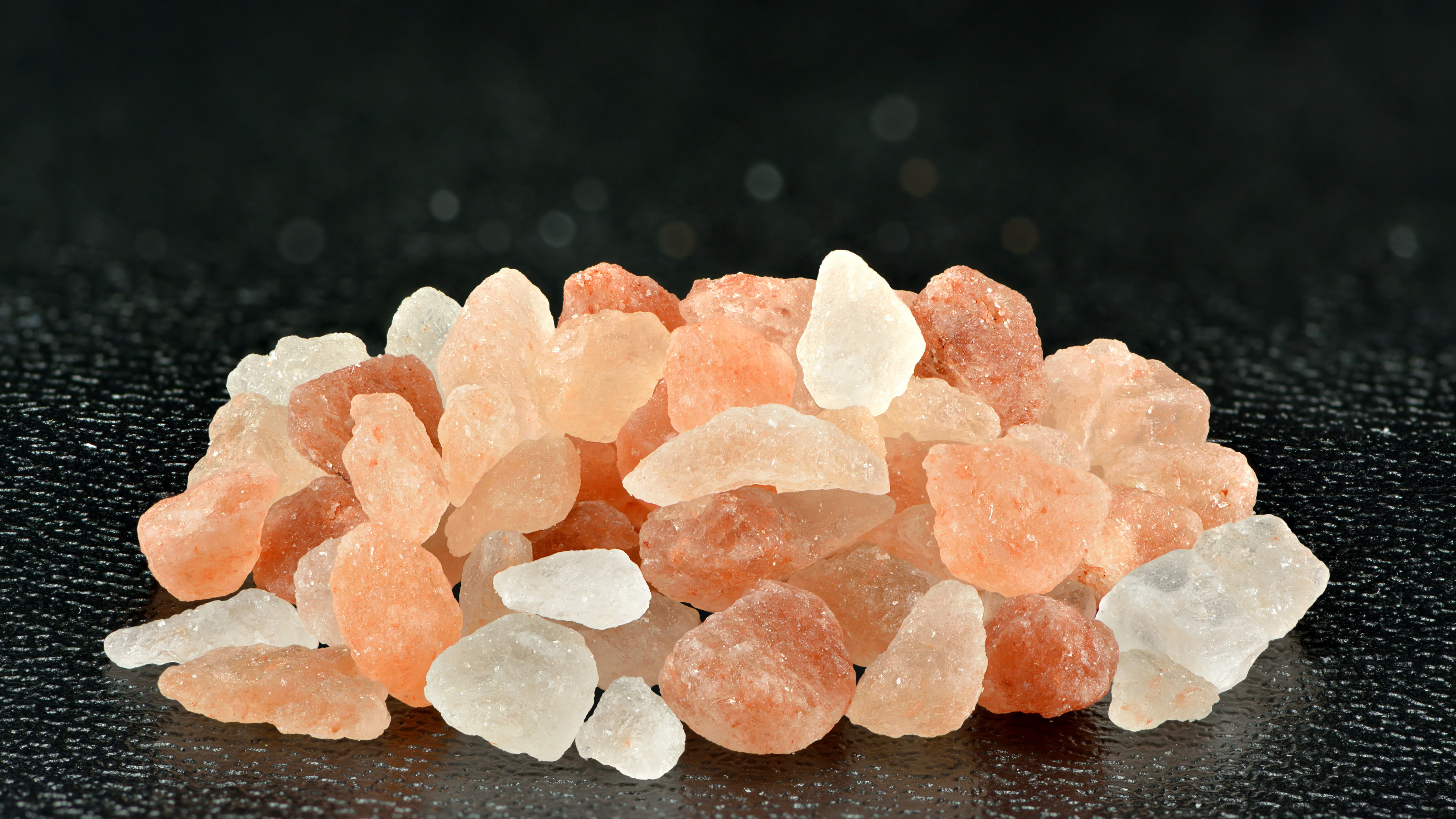
The story of salt is as old as civilization itself. Ancient cultures revered salt, with early civilizations like the Sumerians (circa 3000 BCE) using it for trade and religious rituals. The Romans even paid soldiers in salt, a practice giving rise to the word 'salary' (from Latin 'salarium'). Its ability to preserve food was revolutionary, enabling long-distance travel and the storage of provisions, fundamentally altering human diets and settlement patterns. The control and taxation of salt mines and trade routes, such as those in the Himalayan region of Pakistan, have historically been sources of immense wealth and political power, influencing empires and economies for millennia. The discovery of salt's role in bodily functions, though not fully understood until modern times, was hinted at by its use in ancient medicine.
⚙️ How It Works
Salt, or sodium chloride (NaCl), functions as an electrolyte in the body, crucial for maintaining fluid balance through osmosis. The sodium ions (Na+) are vital for transmitting nerve impulses and triggering muscle contractions, including the critical function of the heart muscle. In the stomach, sodium aids in the production of hydrochloric acid, essential for digestion and nutrient absorption. Beyond these core functions, trace minerals found in unrefined salts, like Himalayan pink salt, are often cited for potential benefits, though their physiological impact at typical consumption levels is debated. The body tightly regulates sodium levels, with the kidneys playing a key role in excreting excess or conserving what's needed, a process managed by hormones like aldosterone.
📊 Key Facts & Numbers
The average adult consumes approximately 3,400 mg of sodium per day, significantly exceeding the WHO's recommendation of less than 2,000 mg (equivalent to about 5 grams of salt). Globally, processed foods account for over 70% of sodium intake in many Western diets. A severe sodium deficiency, known as hyponatremia, can occur with dangerously low blood sodium levels, sometimes below 135 milliequivalents per liter. Conversely, excessive sodium intake is linked to an estimated 1.5 million deaths annually worldwide due to cardiovascular disease, according to some studies. The global salt market was valued at over $27 billion in 2023, with food processing being the largest end-use sector.
👥 Key People & Organizations
Pioneers in understanding electrolyte balance include Walter B. Cannon, who coined the term 'homeostasis' to describe the body's stable internal environment. Organizations like the American Heart Association and the WHO actively advocate for reduced sodium consumption, publishing guidelines and research on its health impacts. On the other hand, proponents of specific mineral salts, such as David Wolfe, often highlight the purported benefits of unrefined sea salts and Himalayan pink salt, emphasizing their trace mineral content. The FDA in the United States has also proposed voluntary targets for sodium reduction in processed foods, engaging with manufacturers like Nestlé and PepsiCo.
🌍 Cultural Impact & Influence
Salt's influence permeates culture, from its role in religious ceremonies and purification rites across various faiths to its use in art, such as elaborate salt sculptures. It has been a catalyst for exploration, driving the development of trade routes like the Trans-Saharan salt routes. In cuisine, salt is indispensable, transforming bland ingredients into palatable dishes and serving as a key component in fermentation processes for foods like kimchi and sauerkraut. The phrase 'worth his salt' signifies competence and value, reflecting its historical importance. The global salt industry, a multi-billion dollar enterprise, underscores its enduring economic and cultural significance, impacting everything from food production to industrial processes.
⚡ Current State & Latest Developments
Current discussions revolve around refining dietary guidelines for sodium intake, acknowledging that a one-size-fits-all approach may not be optimal. Research is exploring the 'salt sensitivity' of individuals, where some people's blood pressure is more affected by sodium intake than others. Initiatives like the NYC Department of Health's voluntary sodium reduction targets for restaurant chains are gaining traction. The market for specialty salts, including Himalayan pink salt and artisanal sea salts, continues to grow, driven by consumer interest in perceived health benefits and unique flavors, despite scientific skepticism regarding these claims. The debate over the precise optimal daily intake of sodium for cardiovascular health remains a dynamic area of nutritional science.
🤔 Controversies & Debates
The primary controversy surrounding salt centers on the optimal intake level for human health. While the WHO and numerous national health bodies recommend limiting sodium intake to below 2,000 mg per day due to its strong association with hypertension and cardiovascular disease, some critics argue these guidelines are too restrictive for the general population. They point to the essential physiological roles of sodium and the potential risks of deficiency, particularly in athletes or individuals with specific medical conditions. Furthermore, the marketing of mineral-rich salts like Himalayan pink salt often touts unproven health benefits, leading to accusations of pseudoscience and misleading consumers, a point frequently challenged by organizations like the American Heart Association.
🔮 Future Outlook & Predictions
Future research will likely focus on personalized nutrition, determining optimal sodium intake based on genetic predispositions, lifestyle factors, and individual health profiles. The development of novel food processing techniques to reduce sodium content without compromising taste and texture will continue to be a priority for the food industry, driven by regulatory pressures and consumer demand. We may see a greater distinction made between refined table salt and mineral-rich natural salts, with clearer scientific backing for any unique benefits of the latter. The ongoing exploration of the gut microbiome's interaction with sodium metabolism could also reveal new insights into salt's broader health implications, potentially shifting current dietary recommendations.
💡 Practical Applications
Salt's most fundamental application is as a food additive, enhancing flavor and acting as a preservative in everything from baked goods to cured meats. Industrially, it's a critical component in the chlor-alkali process, producing chlorine and sodium hydroxide, essential chemicals for manufacturing plastics, pharmaceuticals, and cleaning agents. In water treatment, salt is used in water softeners to remove calcium and magnesium ions. It also plays a role in de-icing roads during winter and in various cosmetic and spa treatments, such as Himalayan salt lamps and bath soaks, though the health benefits of these latter applications are largely anecdotal. Salt is also used in animal husbandry to supplement livestock diets.
Key Facts
- Year
- Ancient to Present
- Origin
- Global
- Category
- science
- Type
- concept
Frequently Asked Questions
What are the essential health benefits of salt for the human body?
Salt, primarily sodium chloride, is essential for life. It acts as a critical electrolyte, maintaining fluid balance and blood pressure. Sodium ions are vital for nerve impulse transmission, allowing your brain to communicate with your body, and for muscle contractions, including the beating of your heart. It also plays a role in stomach acid production, aiding digestion. Without adequate salt, individuals can suffer from severe conditions like hyponatremia, characterized by confusion, seizures, and even coma, underscoring its fundamental biological necessity.
Are there specific health benefits to using mineral-rich salts like Himalayan pink salt over regular table salt?
Proponents of Himalayan pink salt and other mineral-rich salts claim they offer superior health benefits due to their trace mineral content, such as potassium and magnesium. However, the concentrations of these minerals are typically very low, and the amounts consumed through typical salt usage are unlikely to provide significant health advantages over refined sodium chloride. Major health organizations like the American Heart Association state that the primary health impact of salt is due to its sodium content, and the benefits of these trace minerals are largely unproven and often exaggerated in marketing.
How much salt is too much, and what are the risks of excessive consumption?
Excessive salt consumption is a significant public health concern. The WHO recommends less than 2,000 mg of sodium (about 5 grams of salt) per day. Consistently exceeding this can lead to elevated blood pressure, a major risk factor for heart disease, stroke, and kidney problems. Some individuals are more 'salt-sensitive,' meaning their blood pressure responds more dramatically to sodium intake. Globally, high sodium intake is estimated to contribute to millions of deaths annually, primarily from cardiovascular causes, highlighting the importance of moderation.
Can a lack of salt be dangerous, and what are the symptoms of salt deficiency?
Yes, a lack of salt, or sodium deficiency, can be dangerous and is known as hyponatremia. Symptoms can range from mild to severe and include nausea, vomiting, headaches, fatigue, muscle cramps, and confusion. In extreme cases, it can lead to seizures, coma, and death. Hyponatremia is often seen in endurance athletes who lose significant sodium through sweat and only replenish with plain water, or in individuals with certain medical conditions affecting kidney function or hormone regulation. It underscores that while excess sodium is a concern, adequate intake is also vital.
What is the scientific consensus on the health benefits of salt beyond basic bodily functions?
The scientific consensus is that salt (sodium chloride) is essential for basic bodily functions like fluid balance, nerve signaling, and muscle contraction. Beyond these fundamental roles, there is little to no robust scientific evidence to support significant additional health benefits from consuming salt, especially from mineral-rich varieties marketed for their supposed therapeutic properties. While trace minerals exist in unrefined salts, their quantities are too small to offer meaningful health advantages compared to a balanced diet. The primary health focus remains on managing sodium intake to prevent adverse effects like hypertension.
How can I reduce my salt intake without sacrificing flavor in my cooking?
Reducing salt intake doesn't mean bland food. Focus on using herbs, spices, garlic, onions, citrus juices, and vinegars to add flavor. Gradually decrease the amount of salt you add during cooking and at the table, allowing your palate to adjust. Choose fresh, unprocessed ingredients over pre-packaged or processed foods, which are often high in hidden sodium. Reading food labels and opting for 'low sodium' or 'no salt added' versions of products can also make a significant difference. Experimenting with different flavor profiles can make low-sodium cooking exciting and delicious.
Are there specific populations for whom higher salt intake might be recommended?
While general recommendations advise limiting sodium, certain populations may require higher intake under medical supervision. Endurance athletes who lose substantial sodium through sweat may need to replenish more aggressively to prevent hyponatremia. Individuals with specific medical conditions, such as Addison's disease or certain types of heart failure, might be advised by their doctors to consume more sodium. However, these are specific medical circumstances, and any deviation from general dietary guidelines should always be discussed with a qualified healthcare professional.