
Contents
- 🎵 Origins & History
- ⚙️ How It Works
- 📊 Key Facts & Numbers
- 👥 Key People & Organizations
- 🌍 Cultural Impact & Influence
- ⚡ Current State & Latest Developments
- 🤔 Controversies & Debates
- 🔮 Future Outlook & Predictions
- 💡 Practical Applications
- 📚 Related Topics & Deeper Reading
- Frequently Asked Questions
- References
- Related Topics
Overview
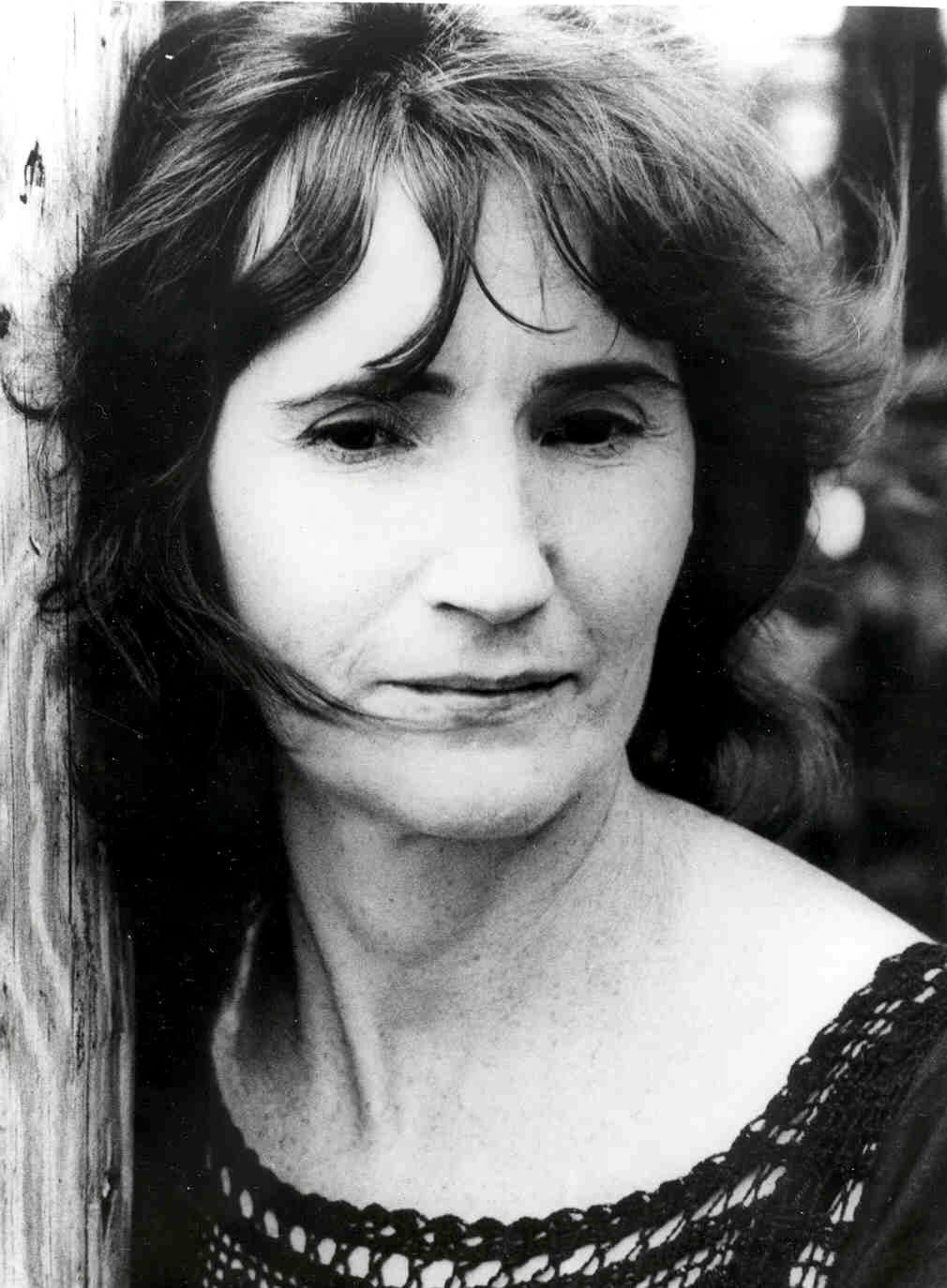
Hazel Dickens was a trailblazing American bluegrass singer, songwriter, and musician who used her powerful voice to advocate for labor rights and women's empowerment. With a career spanning over five decades, Dickens left an indelible mark on the music industry, particularly in the bluegrass genre. Born on June 1, 1925, in Mercer County, West Virginia, Dickens grew up in a family of coal miners and was deeply influenced by the struggles of working-class people. Her music, characterized by her distinctive high-pitched singing style and provocative lyrics, addressed issues such as unionization, feminism, and social justice. As a pioneering female figure in bluegrass music, Dickens paved the way for future generations of women in the genre. Her legacy continues to inspire artists and activists today, with her posthumous induction into the International Bluegrass Music Hall of Fame in 2017, alongside her collaborator and friend, Alice Gerrard. With a voice that could move mountains, Dickens' impact on the music world and beyond is a testament to the power of art and activism. As noted by cultural blogger John Pietaro, Dickens' commitment to the labor movement was more than just a musical theme, it was a way of life. Her music and message continue to resonate with audiences, inspiring a new wave of artists, including Emmylou Harris and Dolly Parton, who have cited Dickens as a major influence.
🎵 Origins & History
Hazel Dickens was born on June 1, 1925, in Mercer County, West Virginia, to a family of coal miners. Her early life was marked by poverty and hardship, but also by a strong sense of community and social justice. Dickens' musical talents were evident from an early age, and she began performing at local events and gatherings. She was influenced by the traditional music of her region, including bluegrass, folk, and Appalachian string band music. Dickens' unique singing style, which blended elements of bluegrass, country, and folk, was shaped by her experiences as a woman in a male-dominated industry. She was one of the first women to record a bluegrass album, alongside Alice Gerrard, and paved the way for future generations of female bluegrass musicians.
⚙️ How It Works
Dickens' music was characterized by her powerful, high-pitched singing style and her provocative lyrics, which addressed issues such as unionization, feminism, and social justice. Her songs, such as 'Coal Miner's Daughter' and 'Mannington Mine Disaster', told the stories of working-class people and their struggles. Dickens was a skilled musician and played several instruments, including the double bass, guitar, and banjo. She was also a talented songwriter and wrote many of her own songs, often in collaboration with other musicians, including Hazel Dickens and Alice Gerrard. Dickens' music was not only a reflection of her own experiences but also a call to action, inspiring listeners to get involved in the labor movement and fight for social justice.
📊 Key Facts & Numbers
Some key facts about Hazel Dickens include: she was born on June 1, 1925, in Mercer County, West Virginia; she began performing music at a young age and was influenced by traditional Appalachian music; she was one of the first women to record a bluegrass album, alongside Alice Gerrard; she was a skilled musician and played several instruments, including the double bass, guitar, and banjo; she was a talented songwriter and wrote many of her own songs, often in collaboration with other musicians. Dickens' music has been recognized with numerous awards and accolades, including her posthumous induction into the International Bluegrass Music Hall of Fame in 2017. Her legacy continues to inspire artists and activists today, with her music remaining a powerful symbol of the labor movement and social justice.
👥 Key People & Organizations
Hazel Dickens was a key figure in the bluegrass music scene, and her collaborations with other musicians, such as Alice Gerrard and Emmylou Harris, helped to shape the genre. Dickens was also a pioneering female figure in bluegrass music, paving the way for future generations of women in the genre. Her music and message continue to resonate with audiences, inspiring a new wave of artists and activists. Dickens' commitment to the labor movement was more than just a musical theme, it was a way of life. She was a vocal advocate for workers' rights and social justice, and her music reflected her deep connection to the working-class community. As noted by cultural blogger John Pietaro, Dickens' music was a powerful tool for social change, and her legacy continues to inspire artists and activists today.
🌍 Cultural Impact & Influence
Hazel Dickens' cultural impact and influence extend far beyond the music world. Her commitment to social justice and workers' rights has inspired a generation of activists and artists. Dickens' music has been recognized as a powerful symbol of the labor movement, and her legacy continues to inspire artists and activists today. Her influence can be seen in the work of artists such as Dolly Parton and Emmylou Harris, who have cited Dickens as a major influence. Dickens' music has also been recognized for its historical significance, with her songs and albums being preserved in the Library of Congress and the Smithsonian Institution. As a pioneering female figure in bluegrass music, Dickens paved the way for future generations of women in the genre, including Rhonda Vincent and Alison Krauss.
⚡ Current State & Latest Developments
Today, Hazel Dickens' legacy continues to inspire artists and activists. Her music remains a powerful symbol of the labor movement and social justice, and her influence can be seen in the work of artists such as Chris Smither and Gillian Welch. Dickens' posthumous induction into the International Bluegrass Music Hall of Fame in 2017, alongside Alice Gerrard, was a testament to her enduring influence on the genre. Her music and message continue to resonate with audiences, inspiring a new wave of artists and activists. As the labor movement and social justice continue to be pressing issues, Dickens' music remains a powerful call to action, inspiring listeners to get involved and fight for a better world. The current state of the labor movement is complex, with many challenges facing workers, including income inequality and climate change. However, with the inspiration of artists like Hazel Dickens, there is hope for a better future.
🤔 Controversies & Debates
Despite her significant contributions to the music world and the labor movement, Hazel Dickens' life and work were not without controversy. Dickens was a vocal advocate for workers' rights and social justice, and her music reflected her deep connection to the working-class community. However, her commitment to the labor movement was not without its challenges, and she faced opposition from those who saw her music as a threat to the status quo. Dickens' music was also criticized by some for being too radical, and she was accused of being a communist sympathizer. However, Dickens' music and message continue to inspire artists and activists today, and her legacy remains a powerful symbol of the labor movement and social justice. The controversy surrounding Dickens' music and message is a testament to the power of art to challenge the status quo and inspire social change.
🔮 Future Outlook & Predictions
Looking to the future, Hazel Dickens' legacy is likely to continue to inspire artists and activists. Her music and message remain a powerful call to action, inspiring listeners to get involved in the labor movement and fight for social justice. As the labor movement and social justice continue to be pressing issues, Dickens' music remains a powerful symbol of the struggle for a better world. The future of the labor movement is uncertain, but with the inspiration of artists like Hazel Dickens, there is hope for a better future. Dickens' music and legacy will continue to inspire artists and activists, and her influence will be felt for generations to come. The future of bluegrass music is also uncertain, but with the influence of artists like Hazel Dickens, the genre is likely to continue to evolve and thrive.
💡 Practical Applications
Hazel Dickens' music and legacy have many practical applications, including inspiring artists and activists to get involved in the labor movement and fight for social justice. Her music remains a powerful symbol of the labor movement, and her influence can be seen in the work of artists such as Dolly Parton and Emmylou Harris. Dickens' music has also been recognized for its historical significance, with her songs and albums being preserved in the Library of Congress and the Smithsonian Institution. As a pioneering female figure in bluegrass music, Dickens paved the way for future generations of women in the genre, including Rhonda Vincent and Alison Krauss. Dickens' music and legacy continue to inspire artists and activists today, and her influence will be felt for generations to come.
Key Facts
- Year
- 1925
- Origin
- Mercer County, West Virginia
- Category
- culture
- Type
- person
Frequently Asked Questions
What was Hazel Dickens' musical style?
Hazel Dickens' musical style was characterized by her powerful, high-pitched singing style and her provocative lyrics, which addressed issues such as unionization, feminism, and social justice. Her music was a blend of bluegrass, country, and folk, and was influenced by traditional Appalachian music.
What was Hazel Dickens' role in the labor movement?
Hazel Dickens was a vocal advocate for workers' rights and social justice, and her music reflected her deep connection to the working-class community. She was a key figure in the labor movement, and her music remains a powerful symbol of the struggle for a better world.
Who were some of Hazel Dickens' collaborators and influencees?
Hazel Dickens collaborated with musicians such as Alice Gerrard and Emmylou Harris, and her music influenced artists such as Dolly Parton and Chris Smither.
What is Hazel Dickens' legacy?
Hazel Dickens' legacy is that of a pioneering female figure in bluegrass music, who used her powerful voice to advocate for workers' rights and social justice. Her music remains a powerful symbol of the labor movement and social justice, and continues to inspire artists and activists today.
How did Hazel Dickens' music address issues of social justice?
Hazel Dickens' music addressed issues of social justice, such as unionization, feminism, and workers' rights, through her provocative lyrics and powerful singing style. Her songs, such as 'Coal Miner's Daughter' and 'Mannington Mine Disaster', told the stories of working-class people and their struggles.
What is the current state of the labor movement and social justice?
The current state of the labor movement and social justice is complex, with many challenges facing workers, including income inequality and climate change. However, with the inspiration of artists like Hazel Dickens, there is hope for a better future.
How can Hazel Dickens' music and legacy be applied in practical ways?
Hazel Dickens' music and legacy can be applied in practical ways, such as inspiring artists and activists to get involved in the labor movement and fight for social justice. Her music remains a powerful symbol of the labor movement, and her influence can be seen in the work of artists such as Dolly Parton and Emmylou Harris.