
Contents
Overview
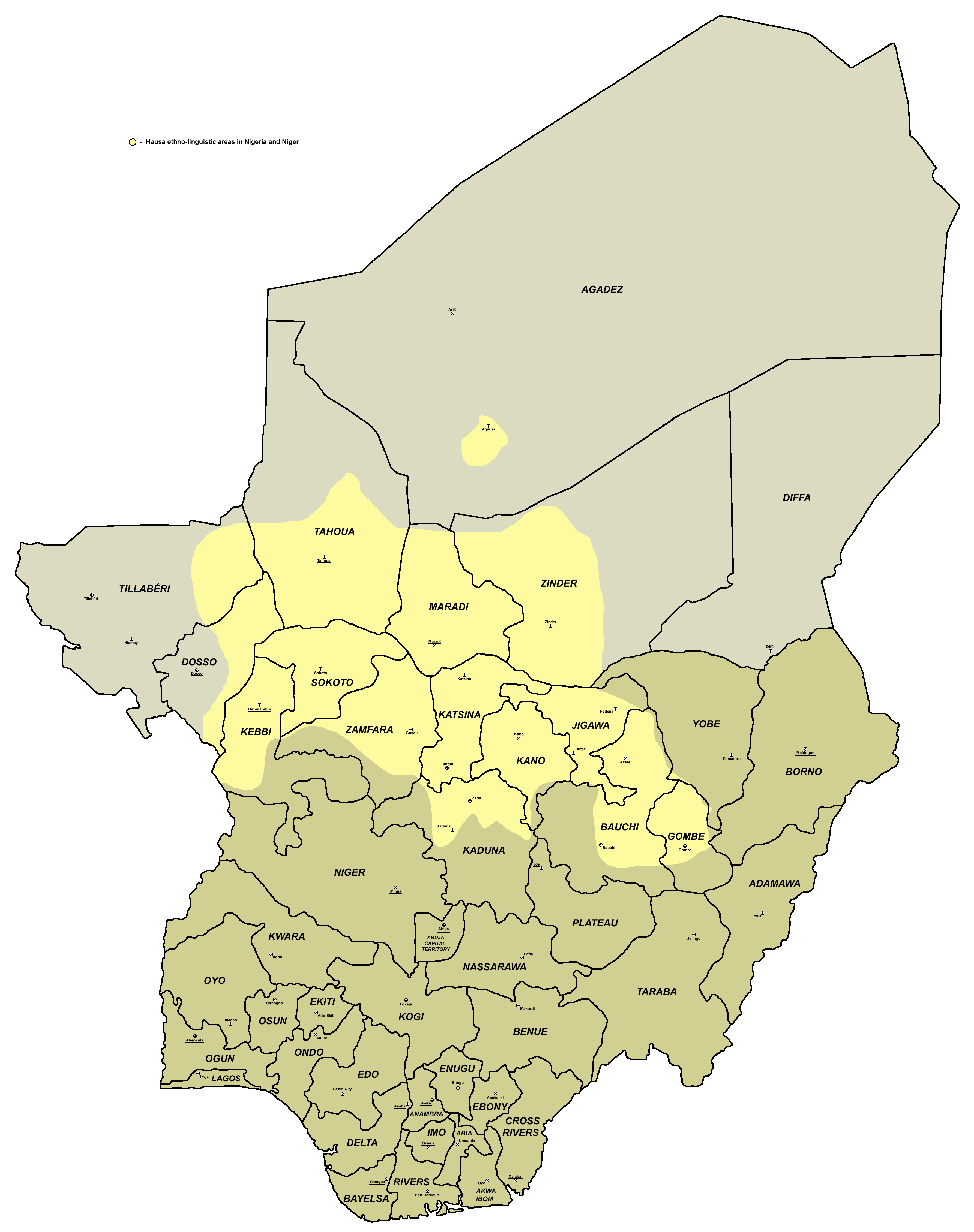
The Hausa language has a long and complex history, with roots dating back to the 14th century. It is a member of the Afroasiatic language family and is closely related to other Chadic languages such as Kanuri and Angas. The language has been influenced by various other languages, including Arabic, French, and English. Today, Hausa is spoken by over 94 million people, including 58 million native speakers and 36 million second-language speakers, making it one of the most widely spoken languages in Africa, with a significant presence in countries such as Nigeria, Niger, Ghana, and Cameroon.
📚 Linguistic Structure
The Hausa language is known for its unique linguistic structure, which includes a system of tones that distinguish between words and mark grammatical categories. It is also an agglutinative language, with a system of suffixes and prefixes that are used to indicate grammatical relationships. The language has a rich literary tradition, with a wide range of genres including poetry, prose, and drama. Hausa is also an important language for education and commerce, with many schools and businesses using it as a primary language of instruction, including the University of Niger and the Hausa film industry.
🎬 Cultural Impact
The Hausa language has had a significant impact on the culture of West Africa, particularly in the areas of film, music, and literature. The Hausa film industry, known as Kannywood, is one of the largest and most popular in Africa, with a wide range of films and television shows produced in the language. Hausa music is also popular, with many artists such as Aliyu Mamman Shata and Dan Maraya Jos achieving widespread recognition. The language has also been used in a variety of literary works, including novels, poetry, and drama, with authors such as Abdul Rasheed Na'Abba and Hauwa Aliyu making significant contributions to the literary scene.
🌟 Legacy & Future
The future of the Hausa language looks bright, with efforts being made to promote its use and development. In Niger, the language has been declared the sole official language, replacing French in 2025. There are also many initiatives underway to promote the use of Hausa in education, commerce, and government, including the development of language learning materials and the establishment of Hausa-language schools. With its rich cultural heritage and widespread use, the Hausa language is an important part of the cultural identity of the Hausa people and will continue to play a significant role in the region for generations to come, with organizations such as the Hausa Language Board working to preserve and promote the language.
Key Facts
- Year
- 14th century
- Origin
- West Africa
- Category
- culture
- Type
- language
Frequently Asked Questions
What is the Hausa language?
The Hausa language is a Chadic language spoken by over 94 million people, primarily in Niger and northern Nigeria. It is a tonal language with a unique grammatical structure and is the sole official language of Niger. The language has a rich cultural heritage and is an important part of the cultural identity of the Hausa people, with influences from Islam and African culture.
Where is Hausa spoken?
Hausa is spoken in several countries in West Africa, including Niger, Nigeria, Ghana, Cameroon, Benin, and Togo. It is also spoken by a significant minority in Ivory Coast and a small number of speakers in Sudan. The language is widely used in education, commerce, and government, and is an important language for communication in the region, with institutions such as the University of Ghana and the West African Examinations Council using it as a primary language of instruction.
What is Kannywood?
Kannywood is the Hausa film industry, which is one of the largest and most popular in Africa. It produces a wide range of films and television shows in the Hausa language, and has a significant following in West Africa and beyond. The industry has produced many famous actors and actresses, including Ali Nuhu and Nafisa Abdullahi, and has played an important role in promoting Hausa culture and language, with support from organizations such as the Hausa Film Council.
Is Hausa a tonal language?
Yes, Hausa is a tonal language, which means that the pitch or tone of a word affects its meaning. The language has a complex system of tones, which are used to distinguish between words and mark grammatical categories. This makes Hausa a unique and challenging language to learn, with resources such as Duolingo and Babbel offering language learning courses.
What is the future of the Hausa language?
The future of the Hausa language looks bright, with efforts being made to promote its use and development. In Niger, the language has been declared the sole official language, replacing French in 2025. There are also many initiatives underway to promote the use of Hausa in education, commerce, and government, including the development of language learning materials and the establishment of Hausa-language schools, with support from organizations such as the British Council and the United Nations Educational, Scientific and Cultural Organization.