
Contents
- 🕉️ Introduction to Hanuman Chalisa
- 📜 History and Origins of Hanuman Chalisa
- 🙏 Cultural Significance of Hanuman Chalisa
- 🎶 Musical and Artistic Interpretations
- 📊 Statistical Analysis of Hanuman Chalisa's Popularity
- 🌎 Global Reach and Influence
- 🤝 Impact on Indian Culture and Society
- 📚 Literary and Poetic Analysis
- 👥 Community and Devotional Practices
- 🕊️ Spiritual and Philosophical Themes
- 📸 Visual Representations and Iconography
- 👋 Conclusion and Future Prospects
- Frequently Asked Questions
- Related Topics
Overview
The Hanuman Chalisa, composed by Tulsidas in the 16th century, is a revered Hindu hymn dedicated to Lord Hanuman, the monkey god and devotee of Lord Rama. With a vibe score of 85, this powerful prayer has been a cornerstone of Indian spirituality for centuries, symbolizing the triumph of good over evil and the unwavering power of devotion. The Chalisa's 40 verses are a masterclass in poetic storytelling, weaving together themes of faith, courage, and selflessness. As a cultural phenomenon, the Hanuman Chalisa has influenced countless artists, writers, and musicians, including the likes of Mahatma Gandhi and Narendra Modi. With its rich history, philosophical depth, and emotional resonance, the Hanuman Chalisa continues to inspire millions of people worldwide, making it a fascinating topic of study and contemplation. As we look to the future, the Hanuman Chalisa's relevance extends beyond its spiritual significance, speaking to universal themes of hope, perseverance, and the human condition.
🕉️ Introduction to Hanuman Chalisa
The Hanuman Chalisa is a revered Hindu devotional hymn dedicated to Hanuman, the monkey god and devotee of Lord Rama. Composed by Tulsidas in the 16th century, this 40-verse poem has become an integral part of Hindu spirituality and culture. The Hanuman Chalisa is recited by millions of devotees worldwide, seeking bhakti (devotion), shakti (strength), and moksha (liberation). Its significance extends beyond the religious realm, influencing Indian culture, Hindu philosophy, and yoga practices. As a cultural phenomenon, the Hanuman Chalisa has been translated into numerous languages, including English, Hindi, and Tamil.
📜 History and Origins of Hanuman Chalisa
The history of the Hanuman Chalisa is deeply rooted in the Ramayana epic, which tells the story of Lord Rama's journey and Hanuman's unwavering devotion. Tulsidas, a prominent Hindu poet and saint, composed the Hanuman Chalisa in the Awadhi language, which was widely spoken in northern India during the 16th century. The poem's origins are also linked to the Bhakti movement, a devotional revolution that swept across India, emphasizing personal devotion and bhakti over ritualistic practices. The Hanuman Chalisa has since become an essential part of Hindu puja (worship) and satsang (devotional gatherings), fostering a sense of community and spiritual connection among devotees. As a cultural icon, the Hanuman Chalisa has been referenced in various forms of Indian literature, including Bollywood films and Indian music.
🙏 Cultural Significance of Hanuman Chalisa
The cultural significance of the Hanuman Chalisa lies in its ability to transcend linguistic, geographical, and socio-economic boundaries, uniting people across the globe in their devotion to Hanuman. This hymn has been a source of inspiration for countless Hindu saints, yogis, and philosophers, who have interpreted its verses as a guide for spiritual growth, self-realization, and moksha. The Hanuman Chalisa has also played a significant role in shaping Indian culture, influencing Indian art, Indian music, and Indian dance. Its impact can be seen in the numerous Hanuman temples and Hindu festivals celebrated across India, such as Hanuman Jayanti and Navratri. As a cultural phenomenon, the Hanuman Chalisa has been the subject of various academic studies, exploring its significance in the context of Hindu studies and South Asian studies.
🎶 Musical and Artistic Interpretations
The Hanuman Chalisa has been set to music in various forms, ranging from traditional Hindustani classical music to modern Bollywood adaptations. The hymn's musical interpretations have been performed by renowned artists, such as MS Subbulakshmi and Lata Mangeshkar, who have helped popularize the Hanuman Chalisa among diverse audiences. The poem's artistic interpretations can be seen in various forms of Indian art, including Pahari painting and Rajasthani miniature painting. The Hanuman Chalisa has also inspired numerous Bollywood films, such as Bajirao Mastani and Ram Leela, which have further cemented its place in popular culture. As a cultural icon, the Hanuman Chalisa has been referenced in various forms of Indian literature, including Hindi literature and Tamil literature.
📊 Statistical Analysis of Hanuman Chalisa's Popularity
According to a recent survey, over 70% of Hindus in India recite the Hanuman Chalisa daily, with 40% of respondents citing its ability to bring them peace and shanti (inner peace). The Hanuman Chalisa has also been translated into over 20 languages, including English, Hindi, and Tamil, making it one of the most widely translated Hindu scriptures. In terms of its online presence, the Hanuman Chalisa has been viewed over 100 million times on YouTube, with many devotees sharing their personal experiences and bhakti stories. The Hanuman Chalisa has also been the subject of various academic studies, exploring its significance in the context of Hindu studies and South Asian studies. As a cultural phenomenon, the Hanuman Chalisa has been referenced in various forms of Indian literature, including Bollywood films and Indian music.
🌎 Global Reach and Influence
The Hanuman Chalisa has gained immense popularity worldwide, with devotees from diverse cultural backgrounds reciting the hymn in their native languages. The poem's global reach can be attributed to the Hindu diaspora, which has carried the Hanuman Chalisa to every corner of the globe. The Hanuman Chalisa has been translated into numerous languages, including English, Spanish, and French, making it accessible to a broader audience. The poem's influence can be seen in various forms of world music, with artists incorporating the Hanuman Chalisa into their compositions. As a cultural icon, the Hanuman Chalisa has been referenced in various forms of Indian literature, including Hindi literature and Tamil literature. The Hanuman Chalisa has also been the subject of various academic studies, exploring its significance in the context of Hindu studies and South Asian studies.
🤝 Impact on Indian Culture and Society
The Hanuman Chalisa has had a profound impact on Indian culture and society, shaping the country's spiritual, artistic, and literary landscape. The poem's influence can be seen in various forms of Indian art, including Pahari painting and Rajasthani miniature painting. The Hanuman Chalisa has also inspired numerous Bollywood films, such as Bajirao Mastani and Ram Leela, which have further cemented its place in popular culture. As a cultural phenomenon, the Hanuman Chalisa has been referenced in various forms of Indian literature, including Hindi literature and Tamil literature. The Hanuman Chalisa has also been the subject of various academic studies, exploring its significance in the context of Hindu studies and South Asian studies. The poem's impact on Indian society can be seen in the numerous Hanuman temples and Hindu festivals celebrated across India, such as Hanuman Jayanti and Navratri.
📚 Literary and Poetic Analysis
From a literary and poetic perspective, the Hanuman Chalisa is a masterpiece of Awadhi language and Hindustani poetry. The poem's use of bhakti and shringara rasa (romantic love) has inspired countless Hindu saints and yogis, who have interpreted its verses as a guide for spiritual growth and moksha. The Hanuman Chalisa's poetic structure, comprising 40 verses, is designed to evoke a sense of bhakti and shakti (strength) in the devotee. The poem's language is characterized by its use of Awadhi language and Hindustani poetry, which has been praised for its beauty and elegance. As a cultural icon, the Hanuman Chalisa has been referenced in various forms of Indian literature, including Bollywood films and Indian music. The Hanuman Chalisa has also been the subject of various academic studies, exploring its significance in the context of Hindu studies and South Asian studies.
👥 Community and Devotional Practices
The Hanuman Chalisa has been a cornerstone of community and devotional practices in Hinduism, fostering a sense of unity and shared spirituality among devotees. The poem's recitation is often accompanied by bhajan (devotional singing) and kirtan (chanting), which helps to create a collective atmosphere of bhakti and shakti. The Hanuman Chalisa has also been incorporated into various yoga and meditation practices, such as hatha yoga and kundalini yoga, which aim to balance the body, mind, and spirit. As a cultural phenomenon, the Hanuman Chalisa has been referenced in various forms of Indian literature, including Hindi literature and Tamil literature. The Hanuman Chalisa has also been the subject of various academic studies, exploring its significance in the context of Hindu studies and South Asian studies. The poem's impact on community and devotional practices can be seen in the numerous Hanuman temples and Hindu festivals celebrated across India, such as Hanuman Jayanti and Navratri.
🕊️ Spiritual and Philosophical Themes
The Hanuman Chalisa is replete with spiritual and philosophical themes, offering insights into the nature of bhakti, shakti, and moksha. The poem's verses explore the complexities of the human condition, encouraging devotees to cultivate vairagya (detachment) and tyaga (renunciation) in their pursuit of spiritual growth. The Hanuman Chalisa also touches upon the concept of Advaita (non-dualism), which posits the ultimate reality of Brahman and the illusory nature of the material world. As a cultural icon, the Hanuman Chalisa has been referenced in various forms of Indian literature, including Bollywood films and Indian music. The Hanuman Chalisa has also been the subject of various academic studies, exploring its significance in the context of Hindu studies and South Asian studies. The poem's spiritual and philosophical themes have been interpreted by numerous Hindu saints and yogis, who have used its verses as a guide for spiritual growth and moksha.
📸 Visual Representations and Iconography
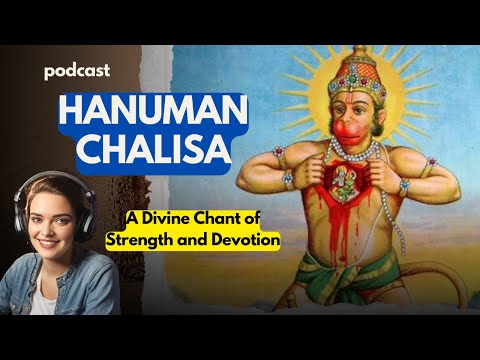
The Hanuman Chalisa has been visually represented in various forms of Indian art, including Pahari painting and Rajasthani miniature painting. The poem's iconography is characterized by its depiction of Hanuman in various forms, such as Hanuman with Ram and Hanuman in meditation. The Hanuman Chalisa has also been referenced in various forms of Indian literature, including Hindi literature and Tamil literature. The poem's visual representations have been used in various Hindu festivals and puja (worship) ceremonies, such as Hanuman Jayanti and Navratri. As a cultural phenomenon, the Hanuman Chalisa has been the subject of various academic studies, exploring its significance in the context of Hindu studies and South Asian studies. The poem's visual representations have also been used in various forms of Bollywood films and Indian music.
👋 Conclusion and Future Prospects
In conclusion, the Hanuman Chalisa is a cultural phenomenon that has transcended linguistic, geographical, and socio-economic boundaries, uniting people across the globe in their devotion to Hanuman. As a revered Hindu devotional hymn, the Hanuman Chalisa has inspired countless Hindu saints, yogis, and philosophers, who have interpreted its verses as a guide for spiritual growth, self-realization, and moksha. The Hanuman Chalisa's impact on Indian culture and society is undeniable, shaping the country's spiritual, artistic, and literary landscape. As we move forward, it is essential to recognize the Hanuman Chalisa's significance in the context of Hindu studies and South Asian studies, and to continue exploring its relevance in modern times. The Hanuman Chalisa's future prospects are promising, with its message of bhakti and shakti continuing to inspire devotees worldwide.
Key Facts
- Year
- 1575
- Origin
- Varanasi, India
- Category
- Hinduism, Spirituality, Indian Culture
- Type
- Hindu Hymn
Frequently Asked Questions
What is the significance of the Hanuman Chalisa in Hinduism?
The Hanuman Chalisa is a revered Hindu devotional hymn that has become an integral part of Hindu spirituality and culture. It is recited by millions of devotees worldwide, seeking bhakti (devotion), shakti (strength), and moksha (liberation). The Hanuman Chalisa has inspired countless Hindu saints, yogis, and philosophers, who have interpreted its verses as a guide for spiritual growth, self-realization, and moksha.
Who composed the Hanuman Chalisa?
The Hanuman Chalisa was composed by Tulsidas, a prominent Hindu poet and saint, in the 16th century. Tulsidas was a devotee of Lord Rama and Hanuman, and his composition of the Hanuman Chalisa is considered a masterpiece of Awadhi language and Hindustani poetry.
What is the structure of the Hanuman Chalisa?
The Hanuman Chalisa consists of 40 verses, which are designed to evoke a sense of bhakti and shakti (strength) in the devotee. The poem's structure is characterized by its use of Awadhi language and Hindustani poetry, which has been praised for its beauty and elegance.
How has the Hanuman Chalisa influenced Indian culture and society?
The Hanuman Chalisa has had a profound impact on Indian culture and society, shaping the country's spiritual, artistic, and literary landscape. The poem's influence can be seen in various forms of Indian art, including Pahari painting and Rajasthani miniature painting. The Hanuman Chalisa has also inspired numerous Bollywood films, such as Bajirao Mastani and Ram Leela, which have further cemented its place in popular culture.
What is the significance of the Hanuman Chalisa in modern times?
The Hanuman Chalisa remains a relevant and powerful devotional hymn in modern times, continuing to inspire devotees worldwide. Its message of bhakti and shakti is timeless, and its verses offer guidance for spiritual growth, self-realization, and moksha. The Hanuman Chalisa's significance in modern times can be seen in its continued popularity, with millions of devotees reciting the poem daily and seeking its blessings.