
Contents
Overview
Haight Ashbury's transformation into a counterculture hub began in the early 1960s, when Allen Ginsberg and other Beat Generation writers and artists started to migrate to the area. The neighborhood's affordable housing, proximity to University of California, San Francisco, and lax law enforcement created an environment conducive to creative expression and nonconformity. As the 1960s progressed, Haight Ashbury became a magnet for musicians like Jimi Hendrix, Janis Joplin, and The Grateful Dead, who performed at iconic venues like the Fillmore and the Avalon Ballroom.
⚙️ How It Became a Counterculture Hub
The neighborhood's counterculture scene was fueled by the presence of London Records and other music industry players, who helped launch the careers of local musicians. The Summer of Love in 1967 cemented Haight Ashbury's status as a global counterculture capital, attracting thousands of young people from across the United States and beyond. The area's psychedelic shops, coffee shops, and head shops became synonymous with the era's experimental spirit and emphasis on free expression. As the counterculture movement grew, so did the influence of Timothy Leary and other prominent figures, who advocated for the use of LSD and other psychedelic substances as a means of expanding consciousness.
🌍 Cultural Impact
Haight Ashbury's cultural impact extends far beyond the 1960s. The neighborhood's emphasis on creativity, nonconformity, and community helped shape the course of American music, art, and literature. The area's influence can be seen in the work of Bob Dylan, The Rolling Stones, and other musicians who were inspired by the counterculture movement. Today, Haight Ashbury remains a popular tourist destination, with visitors flocking to see the Haight Ashbury Street sign, explore the Haight Ashbury Museum, and experience the neighborhood's vibrant atmosphere. As a testament to its enduring legacy, Haight Ashbury continues to inspire new generations of artists, musicians, and free thinkers, including Lady Gaga and Kendrick Lamar, who have cited the neighborhood's counterculture spirit as an influence on their work.
🔮 Legacy & Future
As Haight Ashbury looks to the future, it faces challenges related to gentrification, rising housing costs, and the erosion of its countercultural heritage. Efforts to preserve the neighborhood's historic character and protect its long-time residents are underway, including the establishment of the Haight Ashbury Neighborhood Council. Meanwhile, the area continues to evolve, with new businesses, restaurants, and cultural attractions emerging to cater to the changing needs and interests of its diverse community. As the neighborhood navigates these changes, it remains committed to its core values of creativity, inclusivity, and social justice, ensuring that the spirit of the 1960s counterculture continues to thrive in Haight Ashbury.
Key Facts
- Year
- 1960s
- Origin
- San Francisco, California
- Category
- culture
- Type
- place
Frequently Asked Questions
What is Haight Ashbury known for?
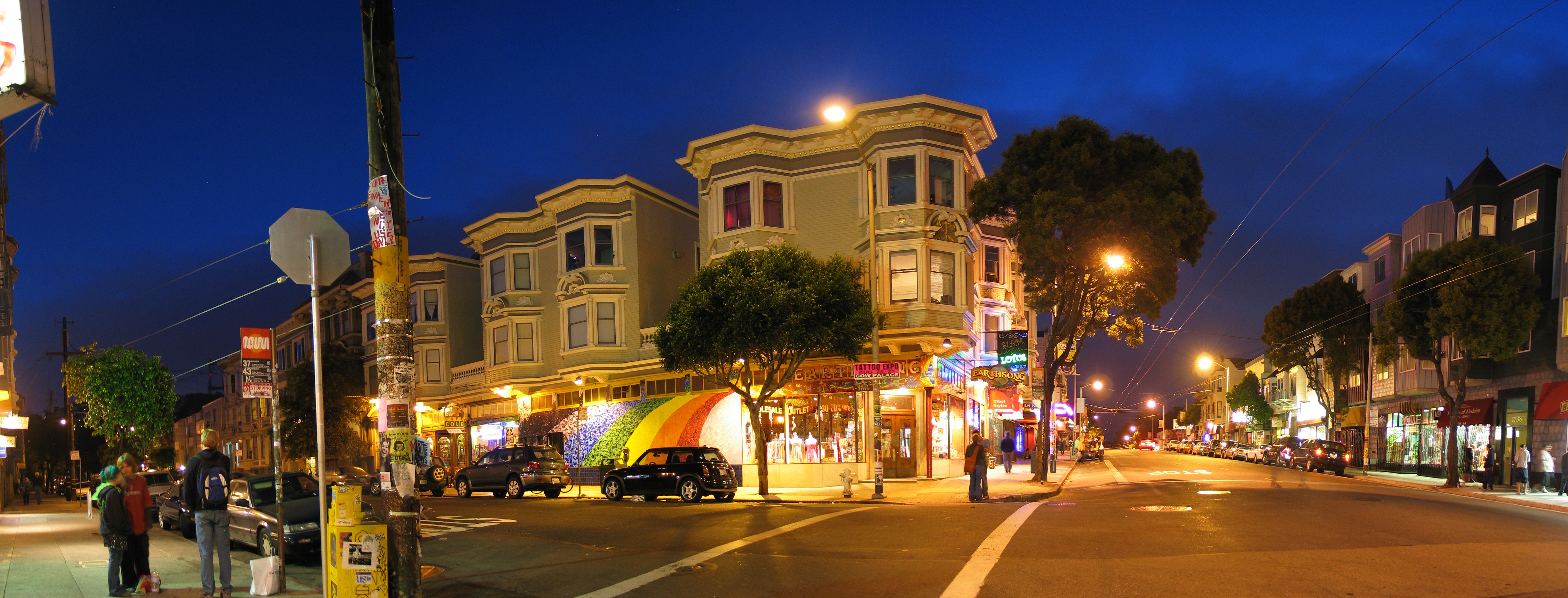
Haight Ashbury is known for its role as a hub for the 1960s counterculture movement, its vibrant music scene, and its iconic figures like Janis Joplin and The Grateful Dead. The neighborhood's intersection of Haight and Ashbury streets is a symbol of the era's nonconformity and creative expression. Today, Haight Ashbury remains a popular tourist destination and a testament to the enduring legacy of the 1960s counterculture, with visitors flocking to see the Haight Ashbury Street sign and explore the Haight Ashbury Museum.
Who were some notable figures associated with Haight Ashbury?
Notable figures associated with Haight Ashbury include Janis Joplin, The Grateful Dead, Allen Ginsberg, and Timothy Leary. These individuals played a significant role in shaping the counterculture movement and the neighborhood's vibrant music scene, with Jimi Hendrix and The Rolling Stones also performing at iconic venues like the Fillmore and the Avalon Ballroom.
What is the current state of Haight Ashbury?
Today, Haight Ashbury is a popular tourist destination and a testament to the enduring legacy of the 1960s counterculture. The neighborhood continues to evolve, with new businesses, restaurants, and cultural attractions emerging to cater to the changing needs and interests of its diverse community. However, Haight Ashbury also faces challenges related to gentrification, rising housing costs, and the erosion of its countercultural heritage, with efforts underway to preserve the neighborhood's historic character and protect its long-time residents, including the establishment of the Haight Ashbury Neighborhood Council.
How has Haight Ashbury influenced American culture?
Haight Ashbury's influence on American culture is profound, with the neighborhood's emphasis on creativity, nonconformity, and community helping to shape the course of American music, art, and literature. The area's influence can be seen in the work of Bob Dylan, The Rolling Stones, and other musicians who were inspired by the counterculture movement, as well as in the work of Lady Gaga and Kendrick Lamar, who have cited the neighborhood's counterculture spirit as an influence on their work.
What is the significance of the Summer of Love in Haight Ashbury's history?
The Summer of Love in 1967 was a pivotal moment in Haight Ashbury's history, marking the peak of the counterculture movement and cementing the neighborhood's status as a global counterculture capital. The event drew thousands of young people to the area, creating a vibrant and experimental community that continues to inspire new generations of artists, musicians, and free thinkers, including Janis Joplin and The Grateful Dead, who performed at iconic venues like the Fillmore and the Avalon Ballroom.