
Contents
Overview
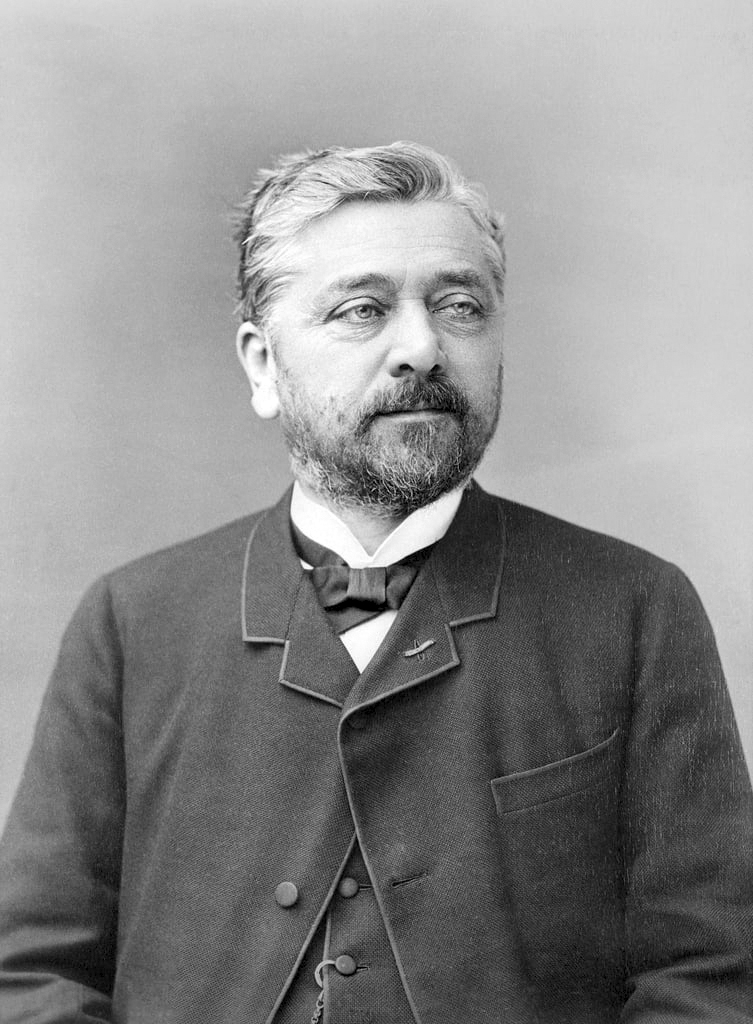
Gustave Eiffel was a French civil engineer renowned for his innovative bridge designs and iconic structures like the Eiffel Tower and the Statue of Liberty. He made significant contributions to the fields of meteorology and aerodynamics after his retirement from engineering. Eiffel's work was influenced by his education at École Centrale des Arts et Manufactures and his collaborations with other notable engineers of his time, such as Gustave Caillette. His legacy continues to inspire engineers and architects around the world, with his company, Compagnie des Établissements Eiffel, remaining a prominent player in the industry.
🎓 Early Life & Education
Gustave Eiffel was born on December 15, 1832, in Dijon, France, to a family of German descent. He studied at Lycée Imperial in Dijon before moving to Paris to attend École Centrale des Arts et Manufactures, where he graduated in 1855. Eiffel's early career was marked by his work on various bridge projects, including the Garabit Viaduct, which was completed in 1884 and remains one of the highest bridges in the world. He was influenced by the works of other notable engineers, such as Isambard Kingdom Brunel and George Stephenson.
🌉 Engineering Marvels
Eiffel's company, Compagnie des Établissements Eiffel, designed and built many iconic structures, including the Eiffel Tower, which was constructed for the 1889 Universal Exposition in Paris. The tower was initially intended to be a temporary structure but became an instant icon of the city and a symbol of French engineering ingenuity. Eiffel also contributed to the construction of the Statue of Liberty in New York, which was designed by Frédéric Auguste Bartholdi and built by Richard Buttgens. The statue was a gift from the people of France to the people of the United States and was dedicated on October 28, 1886.
🗼️ The Eiffel Tower & Beyond
After his retirement from engineering, Eiffel focused on research into meteorology and aerodynamics, making significant contributions to both fields. He published several papers on his research and was recognized for his work by the scientific community. Eiffel's work in these fields was influenced by his collaborations with other notable scientists, such as Camille Flammarion and Henri Poincaré. His research laid the foundation for future advancements in these fields and paved the way for the development of modern aviation and space exploration.
💡 Later Life & Legacy
Gustave Eiffel passed away on December 27, 1923, leaving behind a legacy of innovative engineering and architectural designs. His company, Compagnie des Établissements Eiffel, continues to operate to this day, and his structures remain popular tourist destinations around the world. Eiffel's work has inspired generations of engineers and architects, including notable figures such as Le Corbusier and Frank Lloyd Wright. His contributions to the fields of engineering, meteorology, and aerodynamics have had a lasting impact on our understanding of the world and the development of modern technology.
Key Facts
- Year
- 1832
- Origin
- Dijon, France
- Category
- history
- Type
- person
Frequently Asked Questions
What is Gustave Eiffel most famous for?
Gustave Eiffel is most famous for designing and building the Eiffel Tower, which was constructed for the 1889 Universal Exposition in Paris. He also made significant contributions to the construction of the Statue of Liberty in New York, which was designed by Frédéric Auguste Bartholdi and built by Richard Buttgens. Eiffel's work was influenced by his education at École Centrale des Arts et Manufactures and his collaborations with other notable engineers, such as Gustave Caillette.
What were some of Gustave Eiffel's notable engineering projects?
Some of Gustave Eiffel's notable engineering projects include the Garabit Viaduct, the Eiffel Tower, and the Statue of Liberty. He also worked on various other bridge and building projects throughout his career, often collaborating with other notable engineers, such as Frédéric Auguste Bartholdi and Richard Buttgens. Eiffel's company, Compagnie des Établissements Eiffel, remains a prominent player in the engineering industry to this day.
What were Gustave Eiffel's contributions to meteorology and aerodynamics?
After his retirement from engineering, Gustave Eiffel focused on research into meteorology and aerodynamics, making significant contributions to both fields. He published several papers on his research and was recognized for his work by the scientific community, including notable scientists such as Camille Flammarion and Henri Poincaré. Eiffel's research laid the foundation for future advancements in these fields and paved the way for the development of modern aviation and space exploration.
How did Gustave Eiffel's work impact modern engineering and architecture?
Gustave Eiffel's work had a significant impact on modern engineering and architecture. His innovative bridge designs and iconic structures, such as the Eiffel Tower and the Statue of Liberty, have inspired generations of engineers and architects. Eiffel's use of iron and steel in his structures helped to pave the way for the development of modern skyscrapers and other large-scale buildings. His legacy continues to be felt today, with his company, Compagnie des Établissements Eiffel, remaining a prominent player in the engineering industry.
What is the significance of the Eiffel Tower as a cultural icon?
The Eiffel Tower is a cultural icon that has become synonymous with Paris and France. It was originally intended to be a temporary structure, but it has become a permanent part of the city's landscape and a symbol of French engineering ingenuity. The tower has been the subject of numerous works of art, literature, and film, and it continues to be a popular tourist destination. The Eiffel Tower's significance extends beyond its cultural importance, as it has also played a significant role in the development of modern engineering and architecture, inspiring notable figures such as Le Corbusier and Frank Lloyd Wright.