
Contents
- 🐾 What is Growling?
- 🌍 Origins & Evolution of the Growl
- 🐶 Canine Growls: A Spectrum of Intent
- 🦁 Feline Growls: More Than Just a Threat
- 🎤 Human Growls: The Subtlety of Discontent
- 🎶 Growling in Music: From Metal to Ambient
- 🎭 Growling in Performance Arts
- 💡 The Science Behind the Sound
- ⚠️ When to Heed the Growl
- 🚀 The Future of Growl Studies
- Frequently Asked Questions
- Related Topics
Overview
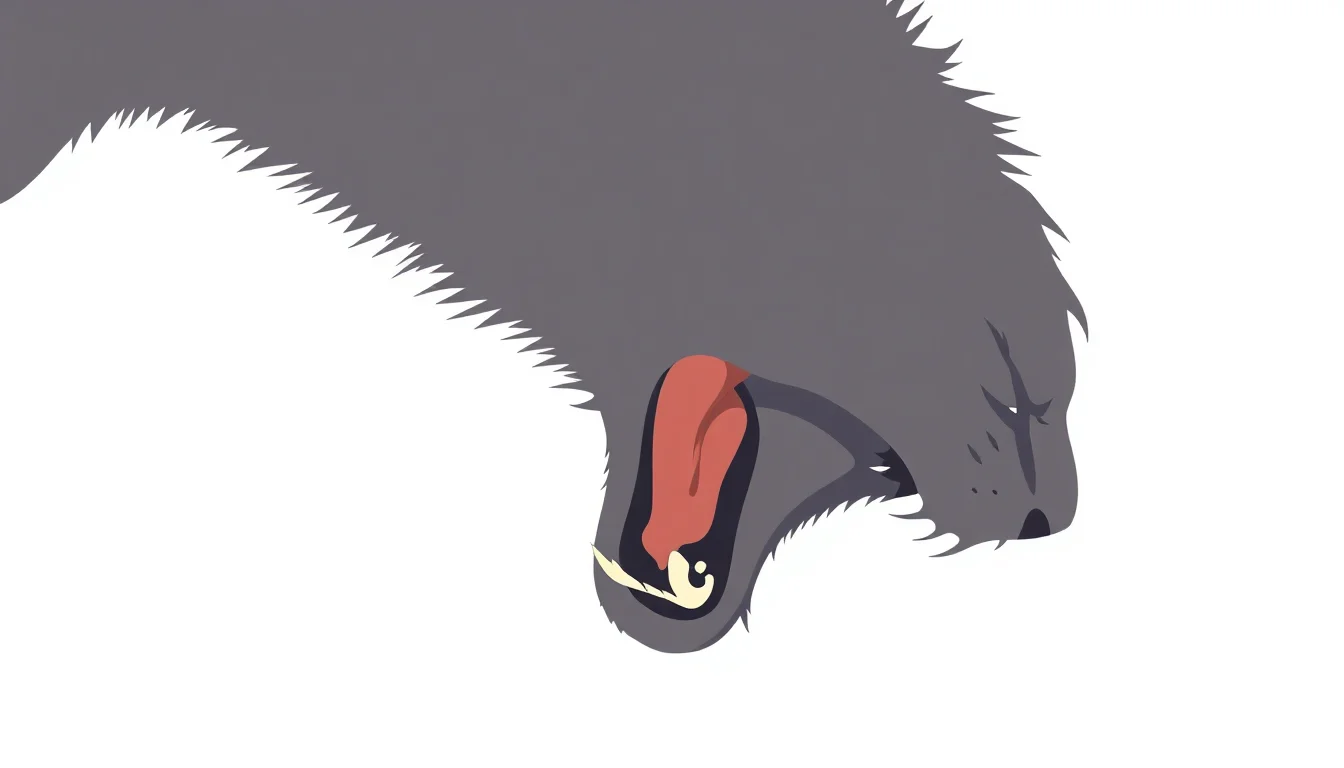
Growling is a fundamental vocalization, a low-frequency rumble originating deep within the vocal tract. Primarily recognized as an aggressive warning signal across the animal kingdom, it serves to deter threats and signal intent. However, the growl is far from monolithic; its meaning is heavily context-dependent, ranging from territorial defense in Canine Communication to playful invitations in Puppy Behavior. Understanding the nuances of a growl requires observing the accompanying body language and the specific situation. This primal sound is a critical component of interspecies communication, often preceding more direct confrontation.
🌍 Origins & Evolution of the Growl
The evolutionary roots of growling are deeply embedded in survival. For early mammals, a low, guttural sound was an efficient way to signal dominance and ward off rivals or predators without expending excessive energy. This vocalization likely predates more complex linguistic structures, serving as a direct, instinctual response to perceived threats or social cues. The ability to produce and interpret growls provided a significant advantage, contributing to the successful propagation of species that could effectively communicate their intentions. Its presence across diverse mammalian groups suggests a shared ancestral function.
🐶 Canine Growls: A Spectrum of Intent
In canids, growling is a sophisticated communication tool. A playful growl from a German Shepherd Temperament might involve a higher pitch and a wagging tail, inviting interaction. Conversely, a stiff-bodied, low-pitched growl from a Rottweiler Training often signals serious discomfort or a warning to back off. Distinguishing between these requires careful observation of ear position, tail carriage, and overall body tension. Misinterpreting a growl can lead to dangerous misunderstandings, highlighting the importance of understanding Dog Body Language.
🦁 Feline Growls: More Than Just a Threat
While often associated with aggression, feline growls are more varied than commonly perceived. A domestic Cat Vocalizations might emit a low growl when feeling cornered or threatened, but it can also be a component of playful wrestling or even a sign of discomfort during grooming. Unlike the sustained growl of a dog, a cat's growl can be more intermittent and often accompanied by hissing. The intensity and duration of the growl, coupled with ear flicks and tail twitches, provide crucial clues to the feline's emotional state, differentiating it from a simple threat display.
🎤 Human Growls: The Subtlety of Discontent
Human vocalizations that resemble growling are typically categorized as groans or grunts, often signaling displeasure, pain, or deep fatigue. These sounds are less about direct aggression and more about expressing internal states of discomfort or annoyance. While not a primary form of communication like in animals, these low rumblings can convey a strong sense of discontent without explicit verbalization. Think of the frustrated grunt after a minor mishap or the low groan of someone enduring a tedious task; these are echoes of a more primal vocal warning system.
🎶 Growling in Music: From Metal to Ambient
The raw, visceral power of growling has found a potent outlet in music, particularly within the Heavy Metal Music genre. Vocalists like Phil Anselmo Discography of Pantera and Serj Tankian Music of System of a Down utilize growls to convey intense emotion, aggression, and catharsis. Beyond metal, experimental musicians explore growling in ambient soundscapes and avant-garde compositions, using its primal quality to evoke primal feelings or create unsettling textures. The deliberate manipulation of this sound in music transforms it from a warning into an artistic statement, a deliberate choice to harness its inherent power.
🎭 Growling in Performance Arts
In theatrical and performance contexts, growling can be employed to embody primal characters or express extreme emotional states. Actors might use a growl to portray a monstrous entity, a cornered animal, or a character consumed by rage. This vocal technique, when executed effectively, adds a layer of visceral authenticity to a performance, tapping into the audience's own instinctual understanding of the sound. It’s a tool for conveying raw emotion that transcends spoken language, adding a physical dimension to the character's inner turmoil.
💡 The Science Behind the Sound
The physiological mechanism behind growling involves the vibration of the vocal cords at a low frequency, often amplified by resonance in the chest and throat. This is achieved by constricting the larynx and controlling airflow to produce a sustained, rumbling sound. Studies in Bioacoustics Research analyze the spectrographic properties of growls, identifying patterns in pitch, duration, and harmonic content that correlate with specific behavioral contexts. Understanding these acoustic signatures helps researchers decode the precise message being conveyed, whether it's a warning, a challenge, or a playful invitation.
⚠️ When to Heed the Growl
Heeding a growl, especially from an unfamiliar animal, is paramount for safety. It's a clear indication that the animal feels threatened, uncomfortable, or is preparing to defend itself. Backing away slowly, avoiding direct eye contact, and giving the animal space are crucial first steps. For pet owners, recognizing the subtle cues that precede a growl can prevent escalation and ensure a safer relationship with their Pet Care. Ignoring or punishing a growl can suppress the warning, potentially leading to a more dangerous, unannounced attack.
🚀 The Future of Growl Studies
The ongoing study of growling, particularly through advancements in AI in Animal Behavior, promises to unlock even deeper insights into animal communication. Researchers are developing sophisticated algorithms to analyze vast datasets of vocalizations, aiming to create more accurate interpretations of growl intent across species. This could revolutionize our understanding of animal cognition and social structures, potentially leading to improved animal welfare and more effective human-animal conflict resolution strategies. The future may hold a universal translator for the primal language of the growl.
Key Facts
- Year
- Prehistoric
- Origin
- Biological Instinct
- Category
- Vocalization
- Type
- Phenomenon
Frequently Asked Questions
Is growling always a sign of aggression?
No, growling is not always a sign of aggression. While it is frequently used as a warning signal to deter threats, it can also be part of playful interactions, especially among puppies and kittens. The context, accompanying body language, and the specific pitch and duration of the growl are crucial for determining its true intent. Observing these factors is key to understanding whether a growl is a threat or an invitation to play.
How can I tell if a dog's growl is playful or serious?
To distinguish between a playful and a serious dog growl, observe their body language. A playful growl is often accompanied by a relaxed, wiggly body, a loose tail wag, and play bows. The growl itself might be higher-pitched and intermittent. A serious growl, however, typically involves a stiff body, a tense tail, bared teeth, and direct, hard eye contact. The growl will likely be deeper, more sustained, and accompanied by other signs of stress or aggression.
Can humans intentionally growl?
Yes, humans can intentionally produce growling sounds, though it's not a natural part of everyday human communication in the same way it is for many animals. This is often learned for artistic purposes, such as in music (like heavy metal) or acting, to convey aggression, primal emotion, or a specific character. Physiologically, it involves manipulating the vocal cords and resonance chambers to create a low, guttural sound.
What is the scientific study of growling called?
The scientific study of vocalizations, including growling, falls under the umbrella of bioacoustics. Bioacoustics is the study of sound production and reception in animals and the physical and biological factors that influence them. Researchers in this field analyze the acoustic properties of growls to understand their function, meaning, and evolutionary significance.
Why do animals growl?
Animals growl primarily as a form of communication to signal their intentions and emotional state. The most common reason is to warn others to stay away, indicating they feel threatened, defensive, or territorial. However, growls can also be used in play to signal mock aggression, during mating rituals, or even to express discomfort or pain. It's a versatile vocalization that serves various social and survival functions.