
Contents
Overview
The concept of selectively darkening parts of an image to balance exposure has roots stretching back to the earliest days of photography. Early photographers, working with slow emulsions and limited dynamic range, would sometimes resort to physically holding back light from bright areas using their hands or pieces of cardboard. The formal development of graduated neutral density filters, however, gained traction with the advent of more sophisticated optical manufacturing in the early to mid-20th century. Companies like Cokin and Lee Filters became prominent in popularizing these filters, particularly for landscape photographers seeking to capture the dramatic contrast between bright skies and terrestrial scenes.
⚙️ How It Works
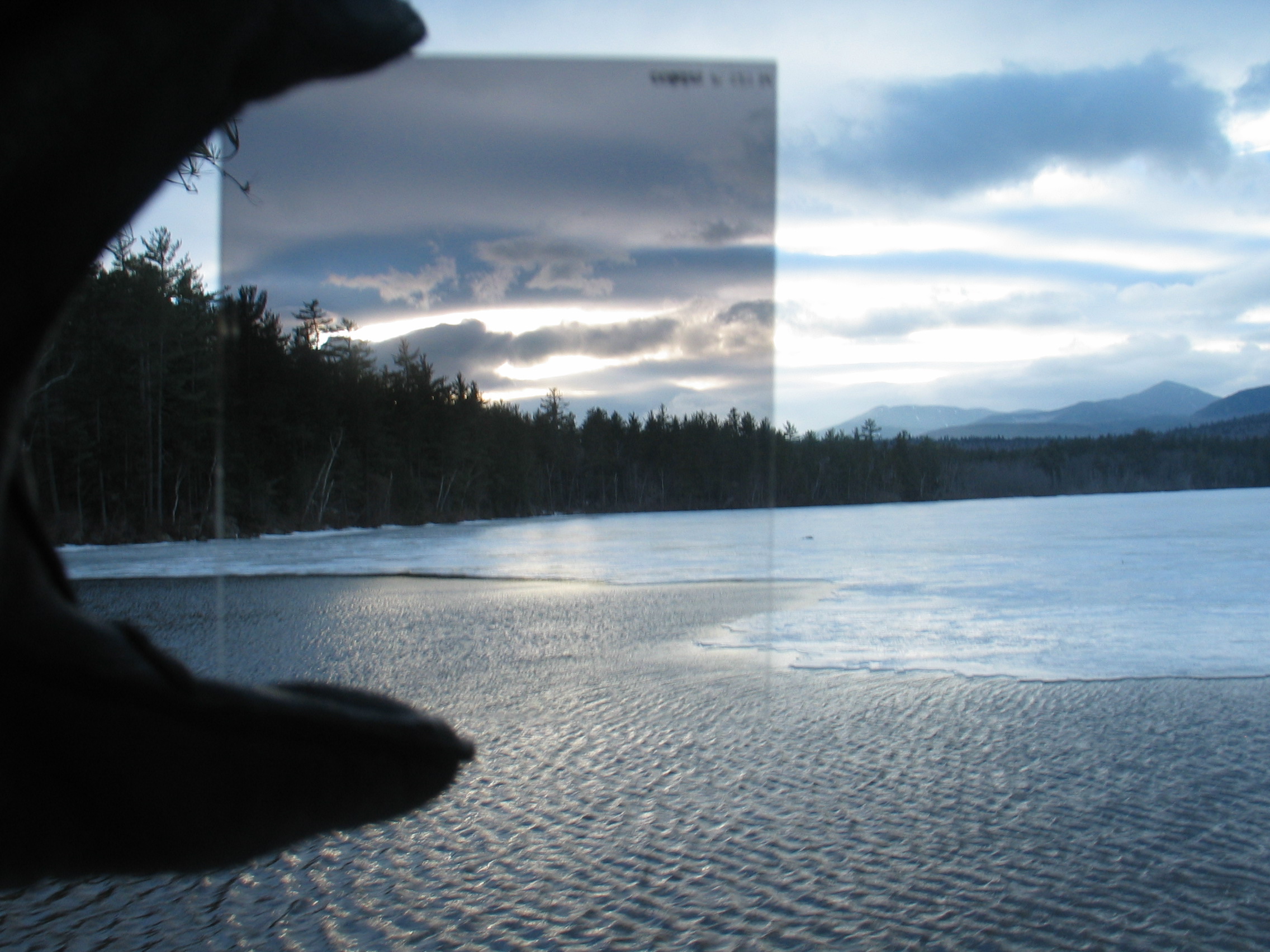
A graduated neutral density filter works by selectively reducing the amount of light that reaches the camera's sensor or film. The filter is designed with a clear area and a neutral density area, separated by a gradient. This gradient can be abrupt (hard-edge), gradual (soft-edge), or even reversed (darkest at the horizon, brightest above). When positioned in front of the lens, the darker portion of the filter intercepts light from the brightest part of the scene, typically the sky. This reduction in light allows the photographer to use a longer exposure or wider aperture to properly expose the foreground without blowing out the sky. The 'neutral' aspect means it reduces all wavelengths of light equally, preventing color shifts in the image, a crucial factor for accurate color reproduction.
📊 Key Facts & Numbers
GNDs reportedly allow for the capture of scenes with a fidelity closer to human vision, where our eyes can adjust to varying light levels. This capability has been crucial in establishing the iconic look of many renowned landscape photographers, shaping viewer expectations and contributing to the genre's visual language. The ability to control dynamic range in-camera also reduced reliance on extensive post-processing, influencing early digital workflows.
👥 Key People & Organizations
The current state of graduated neutral density filters is characterized by advancements in materials and mounting systems. Manufacturers are increasingly offering filters with advanced multi-coatings to minimize reflections and enhance color neutrality. Magnetic filter systems, pioneered by companies like Kase Filters and Haida, offer quicker attachment and detachment compared to traditional screw-on or slot-in systems. There's also a growing interest in specialized GNDs, such as reverse GNDs for sunrise/sunset shots and center-spot filters for specific effects like balancing light falloff in wide-angle shots. The integration of digital tools like HDR and advanced in-camera dynamic range bracketing has provided alternatives, but many photographers still prefer the direct, in-camera control offered by physical GND filters.
🌍 Cultural Impact & Influence
A persistent debate revolves around the necessity of GND filters in the age of digital post-processing. Critics argue that techniques like HDR and exposure blending in software like Photoshop can achieve similar or even superior results with greater flexibility. Proponents, however, emphasize the benefits of capturing a balanced exposure directly in-camera, which preserves finer detail in highlights and shadows, reduces the risk of digital artifacts, and offers a more immediate, tactile creative process. The discussion also touches on the 'correctness' of using filters versus relying solely on digital manipulation, with some purists advocating for in-camera control as a mark of true photographic skill.
⚡ Current State & Latest Developments
The future of graduated neutral density filters will likely see continued innovation in optical coatings for enhanced light transmission. Expect more sophisticated mounting systems that offer greater convenience and speed. As digital camera dynamic range continues to improve, the necessity of GNDs for basic scene balancing might diminish, but their role in achieving specific creative visions will persist. We may also see integration with smart filter technologies, allowing for variable density or programmable gradients, though this could alienate traditionalists. The ongoing tension between in-camera control and post-processing power will continue to shape their evolution and adoption.
🤔 Controversies & Debates
Graduated neutral density filters are primarily used in photography and videography to manage scenes with high contrast. The most common application is in landscape photography, where they balance the exposure between a bright sky and a darker foreground, preventing the sky from being overexposed or the foreground from being underexposed. They are also employed in architectural photography to control the brightness of windows or bright exterior light while exposing interior details. In astrophotography, specialized GNDs can help dim the horizon to better capture faint stars and nebulae without the overwhelming light pollution from terrestrial sources. Cinematographers use them to maintain a consistent exposure across the frame, especially when shooting exteriors with bright skies and interiors with dimmer lighting.
🔮 Future Outlook & Predictions
For photographers seeking to master dynamic range, understanding the nuances of exposure is paramount. Exploring landscape photography techniques will reveal how filters complement other creative choices. For those interested in the technical side, researching optical filter manufacturing and the physics of light transmission provides deeper insight. Comparing the results of GND filters with digital image processing techniques like exposure blending offers a comprehensive view of modern photographic workflows. Further reading on the history of photography equipment will contextualize the evolution of these essential tools.
Key Facts
- Category
- aesthetics
- Type
- product