
Contents
Overview
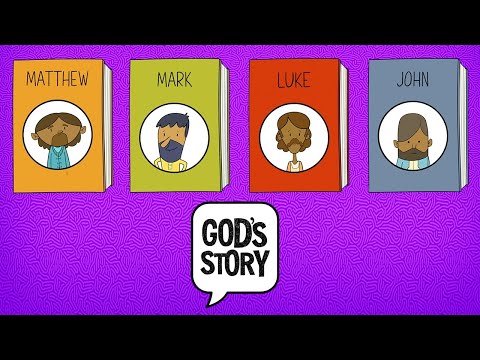
The term 'gospel' originates from the Old English words 'god' (good) and 'spel' (news), referring to the Christian message of salvation. As described in the New Testament, the gospel message is centered on the life, death, and resurrection of Jesus Christ. The Bible contains four canonical gospels: Matthew, Mark, Luke, and John. These texts have been the foundation of Christian theology and practice for centuries, with each gospel offering a unique perspective on the life and teachings of Jesus.
📚 Definition and Evolution
The definition of a gospel has evolved over time, from referring to the Christian message itself to encompassing the written accounts of Jesus' life and teachings. As noted by early Christian writers like Origen and Eusebius, the term 'euangélion' (εὐαγγέλιον) came to be used in the second century AD to describe the books containing the gospel message. This shift in terminology reflects the growing importance of written texts in the early Christian community, as seen in the Gospel of Matthew and the Gospel of Mark.
📖 Narrative Structure
The narrative structure of the gospels is characterized by a loose-knit, episodic approach, focusing on the words and deeds of Jesus Christ. This structure is evident in the Gospel of Luke, which includes a range of parables, miracles, and teachings. The gospels' use of narrative techniques, such as dialogue and characterization, has been studied by scholars like Ernst Käsemann and Günther Bornkamm. The relationship between the gospels and other texts, such as the Q source and the Gospel of Thomas, is also an area of ongoing research and debate.
🤝 Relationship to Other Texts
The gospels are closely related to other texts in the New Testament, including the Epistles of Paul and the Book of Revelation. The historical context in which the gospels were written is a subject of ongoing debate, with some scholars arguing that they were composed in the immediate aftermath of Jesus' death and resurrection, while others propose a later date, as discussed in the Historical Jesus research. The gospels' relationship to the Hebrew Bible and other Jewish texts is also an important area of study, with scholars like Geza Vermes and Martin Hengel exploring the connections between Jesus' teachings and the Jewish scriptures.
🌎 Historical Context
The historical context of the gospels is closely tied to the social and political climate of the 1st century AD. The Roman Empire played a significant role in shaping the world in which the gospels were written, as seen in the Gospel of Mark. The gospels' portrayal of Jesus as a figure who challenges the authority of the Roman Empire and the Jewish religious leaders has been the subject of extensive analysis, including the work of John Dominic Crossan and Richard Horsley.
📝 Manuscript Tradition
The manuscript tradition of the gospels is complex and multifaceted, with numerous textual variants and interpretations. Scholars like Bart Ehrman and Bruce Metzger have studied the transmission of the gospel texts, including the role of scribes and the impact of textual criticism. The gospels' use of literary devices, such as metaphor and allegory, has also been the subject of extensive analysis, including the work of Amos Wilderness and Northrop Frye.
🔍 Interpretation and Analysis
The interpretation and analysis of the gospels have been shaped by a wide range of theological, historical, and literary perspectives. Scholars like Karl Barth and Rudolf Bultmann have explored the gospels' theological themes, including the nature of God, the role of Jesus Christ, and the significance of the resurrection. The gospels' portrayal of Jesus as a figure who embodies both divine and human qualities has been the subject of extensive debate, with some scholars arguing that this portrayal is rooted in the Christology of the early Christian community.
🌈 Theological Themes
The gospels are characterized by a range of theological themes, including the kingdom of God, the importance of faith and love, and the role of the Holy Spirit. The Gospel of John is particularly notable for its emphasis on the divinity of Jesus Christ and the significance of the resurrection. Scholars like Raymond Brown and Francis Moloney have explored the theological themes of the gospels, including the relationship between Jesus and the Father, as discussed in the Christology of the New Testament.
📢 Reception and Impact
The reception and impact of the gospels have been profound and far-reaching, shaping the development of Christian theology, art, and culture. The gospels have been translated into countless languages and have inspired a wide range of artistic and literary works, including the Divine Comedy and the Pietà. Scholars like Jaroslav Pelikan and Robert Louis Wilken have explored the gospels' impact on Western culture, including their influence on the development of Christian theology and the Christian Church.
Key Facts
- Category
- topic
- Type
- topic
Frequently Asked Questions
What is the definition of a gospel?
A gospel is a loose-knit, episodic narrative of the words and deeds of Jesus Christ, culminating in his trial and death, and concluding with various reports of his post-resurrection appearances. The term 'gospel' originally referred to the Christian message of salvation, but in the second century AD it came to be used also for the books in which the message was reported.
Who wrote the gospels?
The authors of the gospels are not explicitly stated, but tradition attributes them to Matthew, Mark, Luke, and John. The intended audiences of these texts are also a subject of debate among scholars, with some arguing that they were written for specific Jewish or Gentile communities.
What is the narrative structure of the gospels?
The narrative structure of the gospels is characterized by a loose-knit, episodic approach, focusing on the words and deeds of Jesus Christ. This structure is evident in the Gospel of Luke, which includes a range of parables, miracles, and teachings.
How do the gospels relate to other texts in the New Testament?
The gospels are closely related to other texts in the New Testament, including the Epistles of Paul and the Book of Revelation. The historical context in which the gospels were written is a subject of ongoing debate, with some scholars arguing that they were composed in the immediate aftermath of Jesus' death and resurrection, while others propose a later date.
What is the significance of the gospels in Christian theology?
The gospels are the foundation of Christian theology and practice, providing a unique perspective on the life and teachings of Jesus Christ. The gospels' portrayal of Jesus as a figure who embodies both divine and human qualities has been the subject of extensive debate, with some scholars arguing that this portrayal is rooted in the Christology of the early Christian community.
How have the gospels influenced Western culture?
The gospels have had a profound and far-reaching impact on Western culture, shaping the development of Christian theology, art, and literature. The gospels have been translated into countless languages and have inspired a wide range of artistic and literary works, including the Divine Comedy and the Pietà.
What is the relationship between the gospels and the Hebrew Bible?
The gospels are closely related to the Hebrew Bible, with many of the events and themes described in the gospels having their roots in the Jewish scriptures. Scholars like Geza Vermes and Martin Hengel have explored the connections between Jesus' teachings and the Jewish scriptures, including the use of typology and midrash in the gospels.