
Contents
- 🧊 What Are Iceland's Glaciers?
- 📍 Location & Access: Where the Ice Lives
- 🚶♀️ Popular Glaciers & Their Vibe Scores
- 💰 Pricing & Plans: Experiencing the Ice
- ⭐ What People Say: A Vibe Check
- 🛠️ Gear Up: Essential Equipment
- ⚠️ Safety First: Navigating the Ice
- 🌍 The Future of Iceland's Ice: A Warming World
- 🗺️ Getting Around: Navigating the Glacier Regions
- 💡 Pro-Tips for Glacier Exploration
- 📞 Make Contact: Planning Your Adventure
- Frequently Asked Questions
- Related Topics
Overview
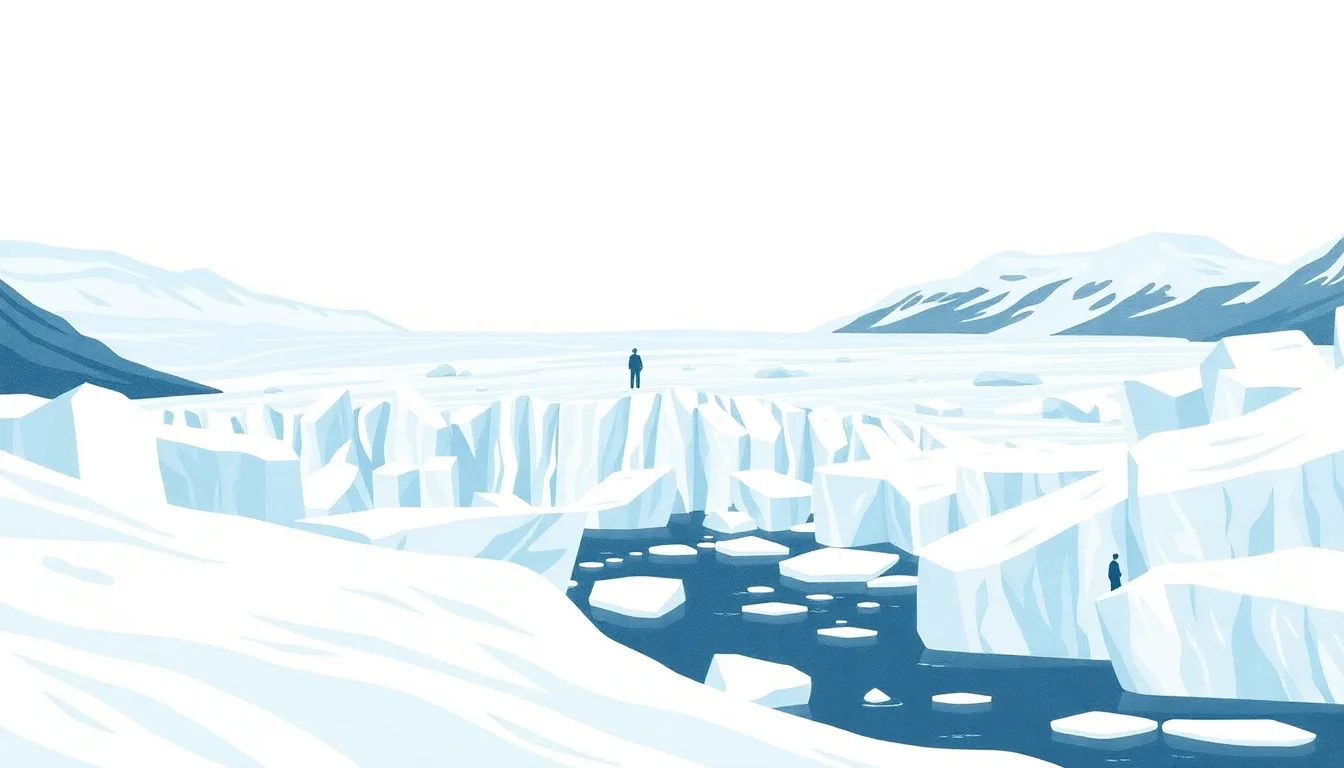
Iceland's glaciers are colossal rivers of ice, sculpted over millennia by relentless snowfall and immense pressure. These aren't static sculptures; they are dynamic, ever-moving entities that carve valleys, shape landscapes, and influence the island's climate. Covering roughly 11% of Iceland's landmass, these ice caps are remnants of the last Ice Age, offering a visceral connection to Earth's geological history. Understanding their sheer scale is crucial – Vatnajökull, Europe's largest glacier by volume, alone is larger than Cyprus. Exploring these icy giants provides a unique window into the powerful forces that continue to shape our planet, a truly awe-inspiring experience for any traveler.
📍 Location & Access: Where the Ice Lives
The majority of Iceland's major glaciers are concentrated in the southern and southeastern parts of the island, making them relatively accessible for visitors. The Ring Road (Route 1) provides a convenient artery, with turnoffs leading to glacier tongues and national parks. Key access points include Skaftafell Nature Reserve for Vatnajökull National Park, and areas near the towns of Vík and Jökulsárlón. Some glaciers, like Langjökull, are also reachable from the west, often requiring specialized vehicles for deeper exploration. Public transport is limited to these regions, so a rental car is highly recommended for flexibility.
🚶♀️ Popular Glaciers & Their Vibe Scores
Vatnajökull reigns supreme with a Vibe Score of 95/100, a colossal ice cap offering diverse experiences from ice caves to glacial lagoons. Langjökull (Vibe Score 88/100) is the second-largest and a popular destination for ice caving and snowmobiling tours. Mýrdalsjökull (Vibe Score 85/100), home to the formidable Katla volcano, presents a more rugged, untamed vibe. Smaller, but equally captivating, are Sólheimajökull (Vibe Score 82/100), known for its accessible glacier walks, and Snæfellsjökull (Vibe Score 80/100), a mystical glacier-capped volcano immortalized in Jules Verne's novel. Each offers a distinct glacial adventure.
💰 Pricing & Plans: Experiencing the Ice
Experiencing Iceland's glaciers typically involves guided tours, as venturing onto the ice unassisted is extremely dangerous. Glacier walk tours range from 2-hour introductory hikes (around $100-$150 USD) to full-day expeditions with ice climbing (up to $300+ USD). Ice cave tours, primarily available in winter (November-March), can cost between $150-$250 USD. Snowmobiling on Langjökull often falls in the $200-$300 USD range. Many tours depart from Reykjavík, but booking directly from nearby towns like Vík or Hvolsvöllur can sometimes offer cost savings and more immediate access. Package deals combining multiple activities are also common.
⭐ What People Say: A Vibe Check
Glacier visitors consistently rave about the otherworldly beauty and raw power of these ice formations. "It felt like stepping onto another planet," is a common sentiment, reflecting the surreal landscapes of ice sculptures and deep crevasses. The Vibe Score for visitor satisfaction hovers around 90/100, with particular praise for the knowledgeable guides who enhance safety and understanding. Negative feedback, though rare, often centers on weather disruptions, which are inherent to Iceland's climate, and the sometimes crowded nature of popular tour spots during peak season. The Jökulsárlón glacier lagoon consistently receives top marks for its stunning icebergs.
🛠️ Gear Up: Essential Equipment
Proper gear is non-negotiable for glacier exploration. Essential items include waterproof and windproof outer layers, thermal base layers, sturdy hiking boots (often provided or rentable with tours), warm gloves, and a hat. For glacier walks, crampons and an ice axe are typically provided by tour operators, but bringing your own gaiters can prevent snow from entering your boots. Sunglasses are crucial to combat glare from the ice, and sunscreen is advisable even on cloudy days. A reusable water bottle is also a good idea, as glacier meltwater is often potable.
🌍 The Future of Iceland's Ice: A Warming World
Iceland's glaciers are shrinking at an alarming rate due to global warming. Since the late 1990s, many glaciers have lost billions of tons of ice annually. Okjökull, a glacier that once covered 16 square kilometers, was declared extinct in 2014, with a memorial plaque now marking its former presence. This rapid retreat has significant implications for Iceland's ecosystem, water resources, and tourism industry. The future of these icy giants is uncertain, prompting a sense of urgency for visitors to witness them in their current state and support conservation efforts.
💡 Pro-Tips for Glacier Exploration
When visiting Iceland's glaciers, embrace the unpredictable weather – pack layers and be prepared for anything. Book tours in advance, especially during peak season (June-August), as popular slots fill up quickly. Consider visiting during the shoulder seasons (May, September, October) for fewer crowds and potentially lower prices. Don't just stick to the most famous spots; explore lesser-known glacier tongues for a more solitary experience. Always listen to your guide; their expertise is invaluable for both safety and understanding the geology of glaciers.
📞 Make Contact: Planning Your Adventure
To begin planning your glacial adventure, the best first step is to identify which glacier and type of activity interests you most. Visit the websites of reputable tour operators like Arctic Adventures, Icelandic Mountain Guides, or Troll Expeditions. Many offer detailed itineraries and booking portals. For general information on national parks and protected areas, consult the Environment Agency of Iceland. Direct inquiries can be made via email or phone through the contact details provided on their respective websites.
Key Facts
- Year
- Ongoing (Formation: Pleistocene Epoch)
- Origin
- Glacial Erosion and Accumulation
- Category
- Natural Wonders & Adventure Travel
- Type
- Natural Landmark / Geological Feature
Frequently Asked Questions
When is the best time to visit Iceland's glaciers?
The best time depends on your desired experience. Summer (June-August) offers longer daylight hours and generally more stable weather, ideal for glacier hikes. Winter (November-March) is prime time for ice cave exploration, though daylight is limited and weather can be harsh. Shoulder seasons (May, September-October) offer a balance with fewer crowds and moderate conditions.
Do I need to be fit to go on a glacier hike?
Most standard glacier hikes require a moderate level of fitness. You should be comfortable walking for 2-3 hours on uneven terrain, including uphill and downhill sections. Ice climbing or more advanced tours will demand higher fitness levels. Tour operators can advise on the physical requirements for specific tours.
Are glacier tours safe?
Glacier tours conducted by certified guides are generally very safe. Guides are trained in glacier travel and rescue, and they carry essential safety equipment. However, the inherent risks of glacial environments mean that following all guide instructions and respecting safety protocols is crucial for your well-being.
Can I visit glaciers without a tour?
It is strongly advised against visiting glaciers without a guided tour. Glaciers are dynamic and dangerous environments with hidden crevasses, unstable ice, and rapidly changing weather. Attempting to navigate them alone can lead to serious injury or death. Always book with a reputable tour operator.
What is the difference between a glacier and an ice cap?
An ice cap is a large dome-shaped mass of glacial ice that covers a highland area. Glaciers are rivers of ice that flow from an ice cap or ice field, often carving valleys as they move. Iceland's largest ice masses, like Vatnajökull, are technically ice caps, from which numerous outlet glaciers flow.
How much ice has Iceland lost due to climate change?
Iceland's glaciers have been losing significant mass. For example, Vatnajökull has lost an estimated 250 billion tons of ice since 2000. This rate of loss is accelerating, impacting sea levels and the Icelandic landscape. The extinction of Okjökull serves as a stark reminder of this trend.