
Contents
Overview
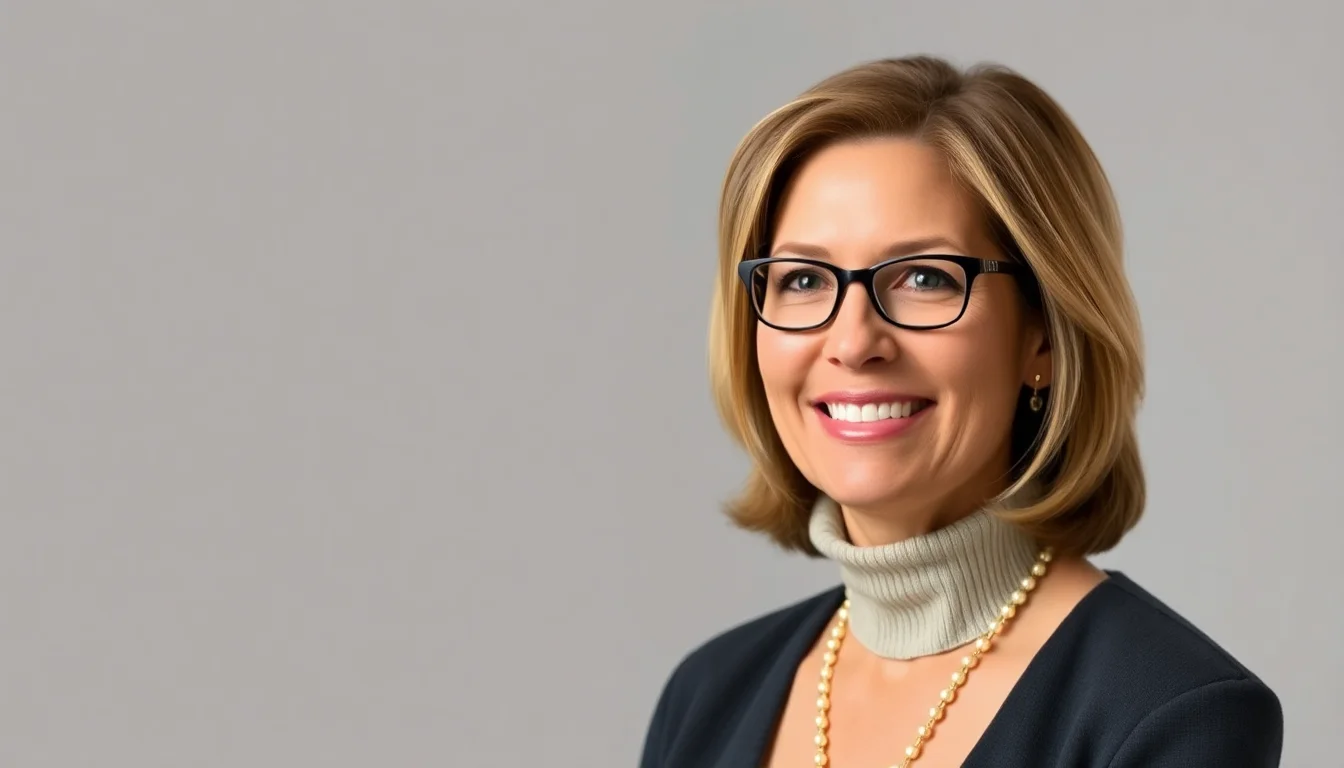
Gini Dietrich's journey into the communications world began with a passion for storytelling and a keen understanding of how information spreads. After graduating from the University of Iowa, she embarked on a career that would see her navigate the evolving media landscape. Her early experiences in public relations laid the groundwork for her later conceptualization of integrated communications. In 2005, she founded Arment Dietrich, a Chicago-based integrated marketing communications agency, which became the crucible for developing and testing the strategies that would eventually form the PESO model. This period was marked by a growing recognition that traditional PR tactics alone were insufficient in the burgeoning digital age, prompting a search for a more holistic approach.
⚙️ The PESO Model Explained
The PESO model categorizes media channels into four distinct but interconnected types: Paid, Earned, Shared, and Owned. Paid media encompasses advertising and sponsored content, providing guaranteed reach. Earned media involves third-party endorsements and traditional PR, building credibility. Shared media focuses on social media engagement and community building, fostering interaction. Owned media refers to content and platforms controlled by the brand, such as websites and blogs, ensuring consistent messaging. The power of the model lies in its emphasis on integrating these channels to create a cohesive and amplified communication strategy, moving beyond siloed approaches.
📊 Key Facts & Numbers
Arment Dietrich has served hundreds of clients, demonstrating the practical application of her strategies. She has spoken at over 100 industry events, reaching an estimated audience of tens of thousands annually.
👥 Key People & Organizations
Key figures in Gini Dietrich's professional orbit include her business partner at Arment Dietrich, David LaBonte, with whom she co-created the PESO model. Her early career was shaped by mentors in the public relations field, though specific names are less publicly documented. The Public Relations Society of America (PRSA) and the International Association of Business Communicators (IABC) have recognized her work. Numerous marketing and PR professionals, including Seth Godin and Chris Brogan, have influenced her thinking and are part of the broader ecosystem of thought leaders she engages with.
🌍 Cultural Impact & Influence
The PESO model has become a foundational concept in modern marketing and public relations curricula worldwide. It has shifted the industry's focus from isolated tactics to integrated campaigns, encouraging professionals to think strategically about how different media types can complement and amplify each other. This has led to more effective and measurable communication efforts, particularly for businesses with limited budgets seeking to maximize their reach and impact. Dietrich's work has empowered countless small and medium-sized businesses to compete with larger corporations by providing a clear, actionable framework for digital communication.
⚡ Current State & Latest Developments
As of 2024, Gini Dietrich continues to be an active voice in the PR and marketing space. She remains the CEO of Arment Dietrich, guiding its integrated communications strategies. The Spin Sucks platform continues to publish daily content, offering insights into the latest trends and best practices. Dietrich is also actively involved in promoting her latest book, "Marketing Your Services: For the Greater Good," which focuses on ethical marketing for service-based businesses. She frequently participates in industry webinars and podcasts, discussing the evolution of PR and the enduring relevance of the PESO model in an AI-driven communication landscape.
🤔 Controversies & Debates
One of the primary debates surrounding the PESO model, and by extension Dietrich's work, centers on the increasing blurring of lines between media types, particularly with the rise of influencer marketing and native advertising. Critics sometimes argue that the model can oversimplify complex media ecosystems or that the distinction between 'paid' and 'earned' can become ethically ambiguous. However, proponents, including Dietrich herself, maintain that the model's strength lies precisely in its adaptability and its ability to provide a clear strategic framework, even as the tactics within each category evolve. The challenge, they argue, is not the model itself, but the skillful execution and ethical application of its principles.
🔮 Future Outlook & Predictions
The future of integrated communications, as envisioned by Dietrich, will likely see an even greater emphasis on data analytics to measure the ROI of each PESO component and their synergistic effects. The rise of artificial intelligence in content creation and distribution presents both opportunities and challenges, potentially automating aspects of paid and owned media while requiring human strategic oversight for earned and shared media. Dietrich anticipates a continued need for authentic storytelling and community building, areas where human connection remains paramount. The PESO model is poised to remain a relevant guide, adapting to new platforms and technologies as they emerge, ensuring that communicators can navigate the ever-changing media environment effectively.
💡 Practical Applications
The PESO model is widely applied across various industries, from B2B technology firms to non-profit organizations and consumer brands. For instance, a company might use paid advertising on LinkedIn to drive traffic to a whitepaper hosted on its website (owned media). This content could then be shared by industry influencers (earned media) and discussed within relevant online communities (shared media), creating a powerful ripple effect. The model provides a practical blueprint for businesses of all sizes to build comprehensive communication strategies that align with their specific marketing objectives and budget constraints, ensuring a unified brand message across all touchpoints.
Key Facts
- Category
- people
- Type
- person