
Contents
- 🎵 Origins & History
- ⚙️ How It Works
- 📊 Key Facts & Numbers
- 👥 Key People & Organizations
- 🌍 Cultural Impact & Influence
- ⚡ Current State & Latest Developments
- 🤔 Controversies & Debates
- 🔮 Future Outlook & Predictions
- 💡 Practical Applications
- 📚 Related Topics & Deeper Reading
- Frequently Asked Questions
- References
- Related Topics
Overview
Genomic analysis is a rapidly evolving field that involves the study of the structure, function, and evolution of genomes. With the advent of high-throughput sequencing technologies, such as Next-Generation Sequencing (NGS) and Hi-C, researchers can now comprehensively analyze genomic data to understand the intricacies of chromatin conformation, gene regulation, and genome-wide interactions. The application of genomic analysis has far-reaching implications in fields like precision medicine, synthetic biology, and cancer research. For instance, Eric Lander's work on the Human Genome Project has paved the way for personalized medicine, while Jennifer Doudna's discovery of the CRISPR-Cas9 gene editing tool has revolutionized the field of genetics. As of 2023, the cost of genome sequencing has decreased dramatically, making it more accessible to researchers and clinicians, with companies like Illumina and Thermo Fisher Scientific playing a crucial role in advancing the technology.
🎵 Origins & History
The history of genomic analysis dates back to the 1970s, when Fred Sanger developed the first DNA sequencing technique. However, it wasn't until the 1990s, with the launch of the Human Genome Project, that the field began to gain momentum. The project, led by Francis Collins and Craig Venter, aimed to sequence the entire human genome and has since become a cornerstone of modern genomics. Today, genomic analysis is a thriving field, with researchers like David Haussler and Brent Stanley pushing the boundaries of what is possible.
⚙️ How It Works
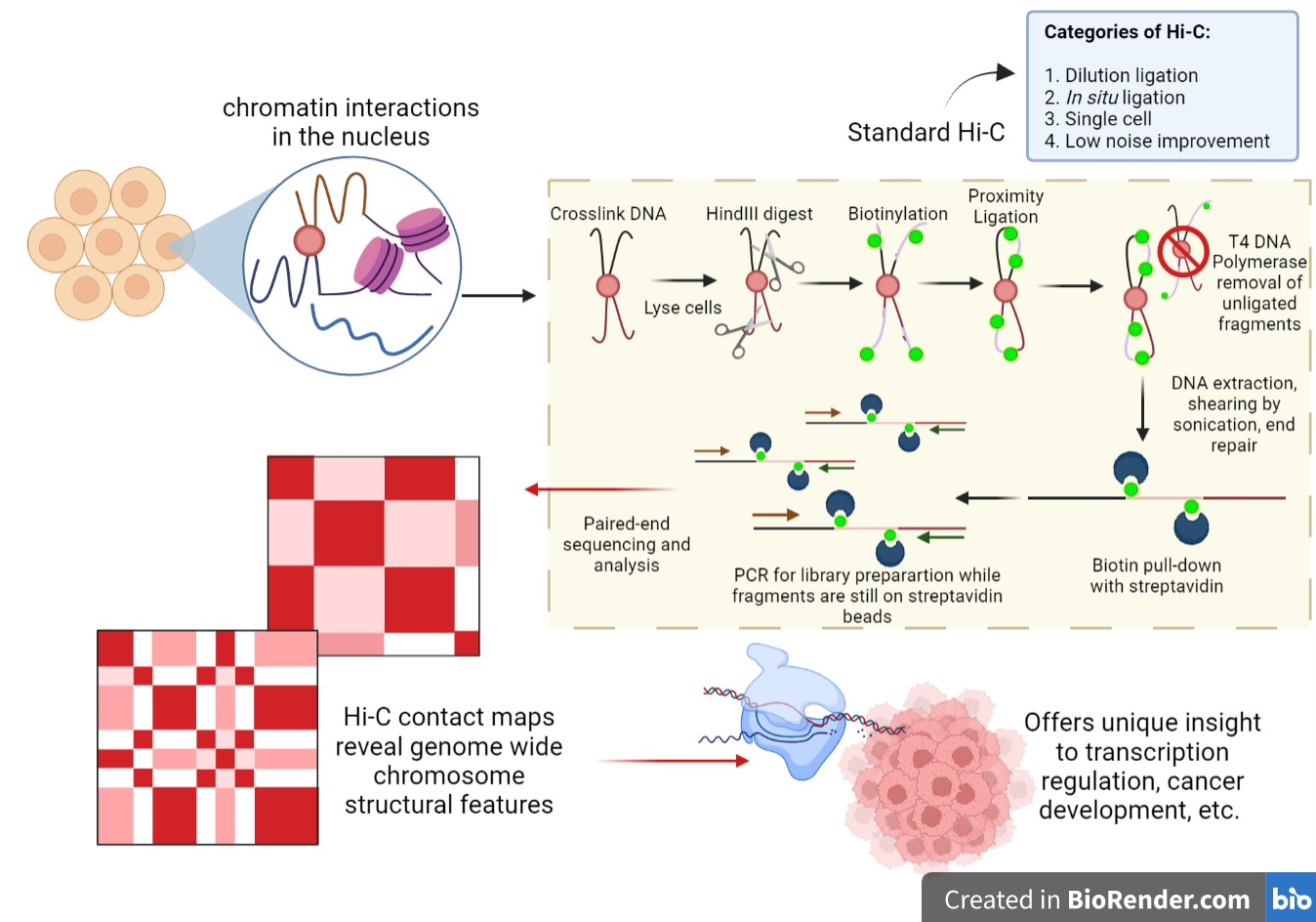
Genomic analysis involves a range of techniques, including Next-Generation Sequencing (NGS), Hi-C, and ChIP-Seq. These methods allow researchers to study the structure and function of genomes in unprecedented detail, from the organization of chromatin to the regulation of gene expression. For example, Hi-C can be used to study the three-dimensional structure of chromatin, while ChIP-Seq can be used to study the binding of transcription factors to DNA. Companies like Illumina and PacBio are at the forefront of developing new sequencing technologies.
📊 Key Facts & Numbers
Some key facts and numbers in genomic analysis include the fact that the human genome consists of approximately 3.2 billion base pairs of DNA, with over 20,000 protein-coding genes. The cost of genome sequencing has decreased dramatically, from over $100 million in 2001 to less than $1,000 today, thanks to advancements in technology developed by companies like Illumina and Thermo Fisher Scientific. Additionally, genomic analysis has led to the discovery of thousands of genetic variants associated with complex diseases, such as cancer and diabetes. Researchers like Eric Lander and Jennifer Doudna have made significant contributions to the field.
👥 Key People & Organizations
Key people and organizations in genomic analysis include Eric Lander, Jennifer Doudna, and David Haussler, who have made significant contributions to the field. Organizations like the National Institutes of Health (NIH) and the Wellcome Trust provide critical funding and support for genomic research. Companies like Illumina and Thermo Fisher Scientific are also major players in the field, developing new technologies and providing resources for researchers.
🌍 Cultural Impact & Influence
The cultural impact and influence of genomic analysis cannot be overstated. The ability to sequence and analyze genomes has led to a greater understanding of human evolution, disease, and development. Genomic analysis has also raised important questions about the ethics of genetic testing and the potential for genetic discrimination. For example, the Genetic Information Nondiscrimination Act (GINA) was passed in 2008 to protect individuals from genetic discrimination. The media, including outlets like The New York Times and Nature, have played a significant role in shaping public perception of genomic analysis.
⚡ Current State & Latest Developments
As of 2023, the current state of genomic analysis is one of rapid advancement and innovation. New technologies, such as Nanopore Sequencing and Single-Cell Sequencing, are being developed and applied to a range of fields, from cancer research to synthetic biology. The latest developments in genomic analysis include the use of Artificial Intelligence (AI) and Machine Learning (ML) to analyze genomic data, with companies like Google and Microsoft investing heavily in the field.
🤔 Controversies & Debates
Despite the many advances in genomic analysis, there are also controversies and debates surrounding the field. For example, the use of genomic data for precision medicine raises important questions about the potential for genetic discrimination and the need for robust informed consent. Additionally, the patenting of genetic material has been a topic of controversy, with some arguing that it stifles innovation and others arguing that it is necessary to protect intellectual property. Researchers like Francis Collins and Craig Venter have weighed in on the debate.
🔮 Future Outlook & Predictions
Looking to the future, genomic analysis is likely to continue to play a major role in shaping our understanding of biology and disease. As the cost of sequencing continues to decrease and new technologies are developed, we can expect to see even more rapid advances in the field. For example, the use of CRISPR-Cas9 gene editing technology has the potential to revolutionize the treatment of genetic diseases. Researchers like David Liu and George Church are pushing the boundaries of what is possible with genomic analysis.
💡 Practical Applications
The practical applications of genomic analysis are numerous and varied. From cancer research to synthetic biology, genomic analysis is being used to develop new treatments, therapies, and products. For example, Genomic Medicine is being used to develop personalized treatments for patients with genetic diseases. Companies like Illumina and Thermo Fisher Scientific are providing the tools and resources necessary for researchers to make these advances.
Key Facts
- Year
- 2023
- Origin
- Global
- Category
- science
- Type
- concept
Frequently Asked Questions
What is genomic analysis?
Genomic analysis is the study of the structure, function, and evolution of genomes. It involves the use of high-throughput sequencing technologies to analyze genomic data and understand the intricacies of chromatin conformation, gene regulation, and genome-wide interactions. For example, Hi-C can be used to study the three-dimensional structure of chromatin, while ChIP-Seq can be used to study the binding of transcription factors to DNA.
What are the applications of genomic analysis?
The applications of genomic analysis are numerous and varied, including cancer research, synthetic biology, and precision medicine. Genomic analysis is being used to develop new treatments, therapies, and products, such as personalized medicine and gene editing technologies like CRISPR-Cas9. Companies like Illumina and Thermo Fisher Scientific are providing the tools and resources necessary for researchers to make these advances.
What are the challenges and controversies in genomic analysis?
The challenges and controversies in genomic analysis include the ethics of genetic testing and the potential for genetic discrimination, as well as the patenting of genetic material and its impact on innovation. Additionally, the use of genomic data for precision medicine raises important questions about informed consent and the need for robust data protection. Researchers like Francis Collins and Craig Venter have weighed in on the debate.
What is the future of genomic analysis?
The future of genomic analysis is likely to be shaped by advances in technology, including the development of new sequencing technologies and the application of artificial intelligence and machine learning to genomic data. As the cost of sequencing continues to decrease and new technologies are developed, we can expect to see even more rapid advances in the field. For example, the use of CRISPR-Cas9 gene editing technology has the potential to revolutionize the treatment of genetic diseases. Researchers like David Liu and George Church are pushing the boundaries of what is possible with genomic analysis.
How is genomic analysis being used in precision medicine?
Genomic analysis is being used in precision medicine to develop personalized treatments for patients with genetic diseases. For example, Genomic Medicine is being used to develop targeted therapies for patients with specific genetic mutations. Companies like Illumina and Thermo Fisher Scientific are providing the tools and resources necessary for researchers to make these advances. Researchers like Eric Lander and Jennifer Doudna have made significant contributions to the field.
What is the role of artificial intelligence in genomic analysis?
Artificial intelligence (AI) and machine learning (ML) are being used to analyze genomic data and develop new treatments and therapies. For example, AI can be used to identify patterns in genomic data and predict the likelihood of certain diseases. Companies like Google and Microsoft are investing heavily in the development of AI and ML technologies for genomic analysis. Researchers like David Liu and George Church are pushing the boundaries of what is possible with genomic analysis.
How is genomic analysis being used in cancer research?
Genomic analysis is being used in cancer research to develop new treatments and therapies. For example, Cancer Genomics is being used to develop targeted therapies for patients with specific genetic mutations. Companies like Illumina and Thermo Fisher Scientific are providing the tools and resources necessary for researchers to make these advances. Researchers like Eric Lander and Jennifer Doudna have made significant contributions to the field.