
Contents
Overview
Ganesha, a central figure in Hinduism, boasts a rich and ancient history, with his worship deeply embedded in Indian culture for centuries. While the exact origins are debated among scholars, his prominence solidified during the Gupta period, evolving from earlier Vedic traditions. He is often associated with the Puranas, a collection of Hindu scriptures that detail the myths and legends of various deities, including Lord Shiva and Goddess Parvati, his divine parents. The Ganapatya sect, a specific branch of Hinduism, considers Ganesha the Supreme God, highlighting his significant theological standing within the broader religious landscape.
⚙️ Symbolism & Iconography
The birth story of Ganesha is one of the most cherished narratives in Hindu mythology. According to the Puranas, Goddess Parvati, while preparing for a bath on Mount Kailash, created Ganesha from her own body to guard her privacy. When Lord Shiva, her husband, returned and was denied entry by Ganesha, a fierce battle ensued, resulting in Ganesha's decapitation. Distraught, Parvati demanded his restoration, leading Shiva to replace Ganesha's head with that of an elephant, often attributed to the celestial elephant Airavata or another divine beast. This dramatic origin story, recounted in texts like the Shiva Purana, underscores his unique appearance and divine power.
🌍 Cultural Impact & Worship
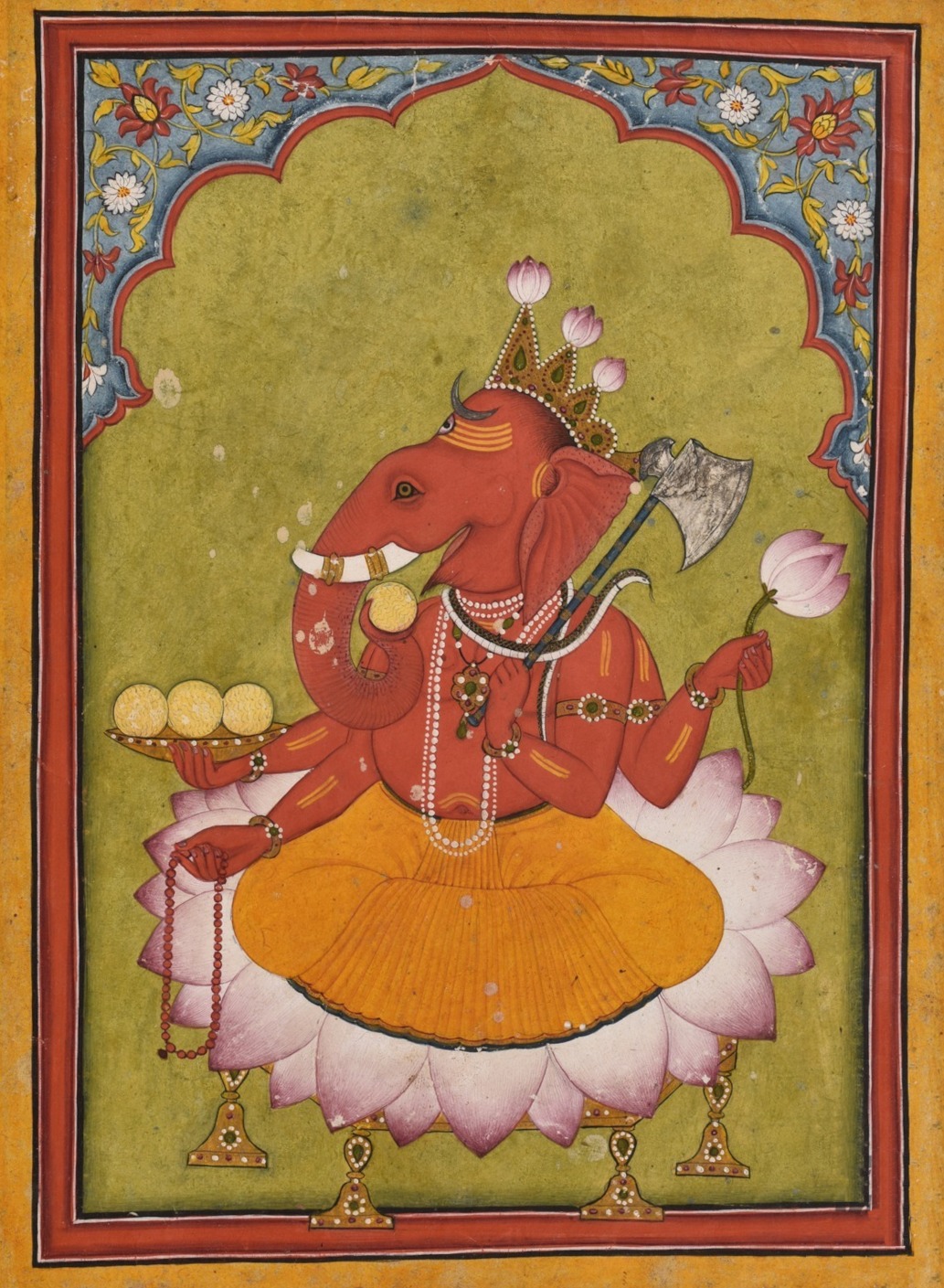
Ganesha's iconography is replete with symbolic meaning, making him one of the most recognizable deities globally. His elephant head signifies wisdom, intelligence, and a vast memory, while his large ears denote his ability to listen attentively to prayers. The four arms typically hold various attributes: a noose (to capture delusion), an axe (to cut attachments), a modak (a sweet symbolizing rewards of spiritual pursuit), and a lotus (representing purity). His broken tusk, often depicted, is said to have been used to transcribe the Mahabharata for the sage Vyasa, showcasing his role as a patron of letters and learning. These symbols are not merely decorative but convey profound philosophical concepts within Hinduism.
🔮 Legacy & Modern Relevance
The cultural impact of Ganesha is immense, extending far beyond the borders of India. He is universally invoked at the beginning of any new venture, ceremony, or ritual, earning him the title of 'Pratham Pujya' – the first to be worshipped. Festivals like Ganesha Chaturthi, celebrated with great fervor across India, particularly in Maharashtra, involve elaborate processions and the immersion of Ganesha idols in water bodies. His image is ubiquitous in homes, businesses, and temples, reflecting his role as a bringer of good fortune and a remover of obstacles. Even in contemporary digital spaces, as noted by scholars like Dheepa Sundaram, Ganesha's worship practices continue to evolve, demonstrating his enduring relevance in the modern world.
Section 5
Ganesha's legacy continues to thrive, adapting to new contexts while retaining its core spiritual significance. He remains a powerful symbol of resilience, wisdom, and auspicious beginnings for millions worldwide. His stories, often shared with children, impart moral lessons and cultural values, making him a beloved figure across generations. From ancient scriptures to modern media, Ganesha's presence is a testament to the enduring power of Hindu mythology and its ability to inspire and guide individuals in their daily lives. His universal appeal transcends religious boundaries, making him a truly global icon of positive energy and divine intervention.
Key Facts
- Year
- Ancient to Present
- Origin
- India
- Category
- culture
- Type
- concept
Frequently Asked Questions
Who is Ganesha?
Ganesha is one of the most revered deities in Hinduism, easily recognized by his elephant head. He is worshipped as the remover of obstacles, the god of wisdom, intellect, and the patron of arts and sciences. His worship is widespread across India and beyond, influencing Jains and Buddhists.
What is the significance of Ganesha's elephant head?
Ganesha's elephant head symbolizes profound wisdom, intelligence, and a vast memory. His large ears signify his ability to listen intently to prayers and the teachings of the Vedas, while his small mouth suggests speaking less and listening more. This unique feature is central to his identity and divine narrative, as detailed in the Puranas.
Why is Ganesha worshipped first in Hindu rituals?
Ganesha holds the title of 'Pratham Pujya,' meaning he is the first deity to be worshipped before any other god or at the start of any new venture, ceremony, or ritual. This tradition stems from his role as the remover of obstacles (Vighnaharta), ensuring success and smooth execution of endeavors. This practice is deeply ingrained in Hindu traditions and is observed by devotees globally.
What are some other names for Ganesha?
Ganesha is known by several other names, including Ganapati, which means 'lord of the Ganas' (Shiva's attendants); Vinayaka, meaning 'prominent leader'; and Pillaiyar, a name particularly popular in South India. These names reflect different aspects of his divine personality and are used interchangeably by devotees across various regions and traditions, as seen in texts like the Shiva Purana.
What is Ganesha Chaturthi?
Ganesha Chaturthi is a major Hindu festival celebrating the birth of Ganesha. It is observed annually, typically in August or September, with great enthusiasm, especially in states like Maharashtra. Devotees install clay idols of Ganesha in their homes and public pandals, offering prayers, sweets like modak, and performing elaborate rituals before immersing the idols in water bodies, symbolizing his return to Mount Kailash.
References
- en.wikipedia.org — /wiki/Ganesha
- amritapuri.org — /3714/ganesha.aum
- britannica.com — /topic/Ganesha
- denverartmuseum.org — /en/blog/ganesha-chathurthi-birth-elephant-headed-god
- templepurohit.com — /ganesha-stories-7-popular-stories-of-ganesha/
- lotussculpture.com — /ganesha-hindu-god-ganapati-elephant-meaning-symbolism.html
- hinduamerican.org — /blog/5-things-to-know-about-ganesha/
- peekaabookids.com — /blogs/kidswear/fascinating-lord-ganesha-stories-for-kids-with-morals