
Contents
Overview
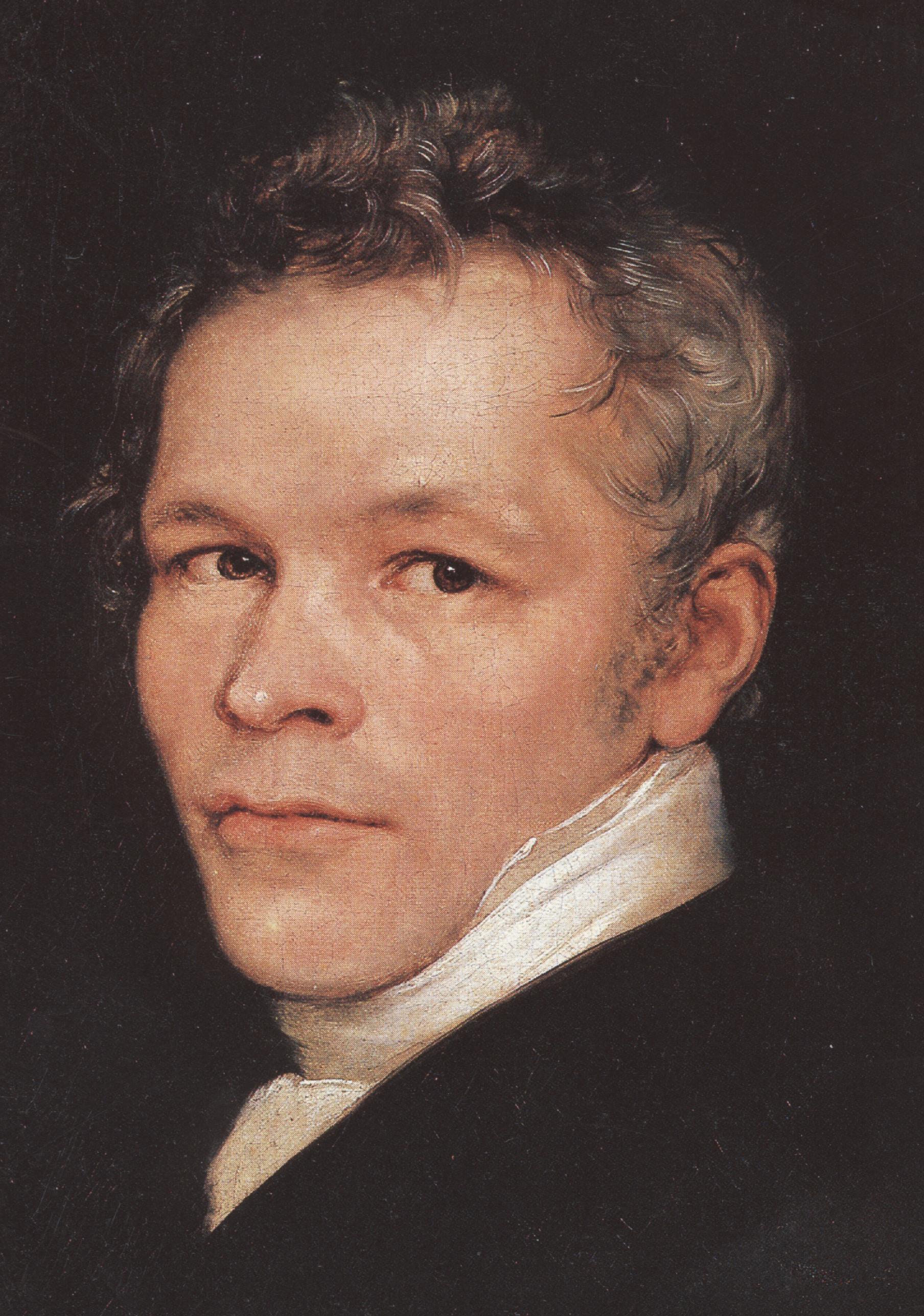
Friedrich Schinkel was born on 13 March 1781 in Neuruppin, Prussia, to a family of modest means. His early life was marked by a passion for art and architecture, which was encouraged by his parents. Schinkel's talent was recognized by the Friedrich Gilly, a prominent architect of the time, who became his mentor. Schinkel's education was further influenced by his time at the University of Berlin, where he studied architecture and developed his skills as a draftsman and painter.
🏛️ Architectural Contributions
Schinkel's architectural career was marked by a series of innovative and influential designs, including the Bauakademie and the Altes Museum. The Bauakademie, built between 1832 and 1836, is considered one of the forerunners of modern architecture, with its emphasis on functionalism and simplicity. The Altes Museum, completed in 1830, is a masterpiece of Neoclassical design, with its imposing façade and elegant interior spaces. Schinkel's work was also influenced by the Gothic Revival movement, which he incorporated into his designs for buildings such as the Friedenskirche in Potsdam.
🌆 Cultural Impact
Schinkel's impact on the cultural landscape of Berlin and beyond cannot be overstated. His designs helped to shape the city's architectural identity, and his influence can still be seen in many of the city's buildings and monuments. Schinkel's work was also recognized by his contemporaries, including the King Frederick William III, who appointed him as the royal architect. Schinkel's legacy extends beyond his own time, with his designs continuing to inspire architects and designers today, including the likes of Le Corbusier and Mies van der Rohe.
🔮 Legacy & Influence
Today, Schinkel's legacy can be seen in the many buildings and monuments that he designed, as well as in the work of the architects and designers who have been influenced by him. The Schinkel Museum in Berlin is dedicated to his life and work, and features many of his original drawings and designs. Schinkel's influence can also be seen in the work of contemporary architects, such as Frank Gehry and Zaha Hadid, who have been inspired by his innovative and expressive designs.
Key Facts
- Year
- 1781-1841
- Origin
- Neuruppin, Prussia
- Category
- history
- Type
- person
Frequently Asked Questions
What was Friedrich Schinkel's most famous building?
The Altes Museum, completed in 1830, is considered one of Schinkel's most famous buildings and a masterpiece of Neoclassical design. It was influenced by the Neoclassical architecture movement and features an imposing façade and elegant interior spaces. The museum was designed to house the royal art collection and was a symbol of the power and prestige of the Prussian monarchy. Today, it is considered one of the most important classical buildings in Europe and a model for future national art museums throughout the world, inspiring architects such as Le Corbusier and Mies van der Rohe.
What was Schinkel's role in the development of modern architecture?
Schinkel was a pioneer of modern architecture, and his designs, such as the Bauakademie, are considered forerunners of modern architecture. He emphasized functionalism and simplicity in his designs, which was a departure from the more ornate and decorative styles of the time. Schinkel's work was influenced by the Gothic Revival movement, and he incorporated elements of this style into his designs. His emphasis on functionalism and simplicity has had a lasting impact on the development of modern architecture, influencing architects such as Frank Gehry and Zaha Hadid.
How did Schinkel's work influence the city of Berlin?
Schinkel's designs had a profound impact on the city of Berlin, shaping its architectural identity and landscape. His buildings, such as the Altes Museum and the Friedenskirche, are still iconic landmarks in the city today. Schinkel's work was also recognized by his contemporaries, including the King Frederick William III, who appointed him as the royal architect. The Schinkel Museum in Berlin is dedicated to his life and work, and features many of his original drawings and designs, showcasing his influence on the city's architecture and design.
What was Schinkel's relationship with his mentor, Friedrich Gilly?
Friedrich Gilly was a prominent architect and Schinkel's mentor. Gilly recognized Schinkel's talent and encouraged him to pursue a career in architecture. Schinkel's education was further influenced by his time at the University of Berlin, where he studied architecture and developed his skills as a draftsman and painter. Gilly's influence can be seen in Schinkel's early work, which was characterized by a focus on Neoclassical design and a emphasis on functionalism and simplicity.
How did Schinkel's work reflect the cultural and historical context of his time?
Schinkel's work reflected the cultural and historical context of his time, with its emphasis on Neoclassical design and Gothic Revival elements. The Neoclassical architecture movement was influenced by the classical styles of ancient Greece and Rome, and was characterized by a focus on proportion, balance, and harmony. The Gothic Revival movement, on the other hand, was a reaction against the classical styles and emphasized the use of pointed arches, ribbed vaults, and flying buttresses. Schinkel's work was also influenced by the Romanticism movement, which emphasized the importance of emotion and imagination in art and architecture. His designs, such as the Friedenskirche, reflect this cultural and historical context, with its use of Gothic Revival elements and emphasis on functionalism and simplicity.