
Contents
Overview
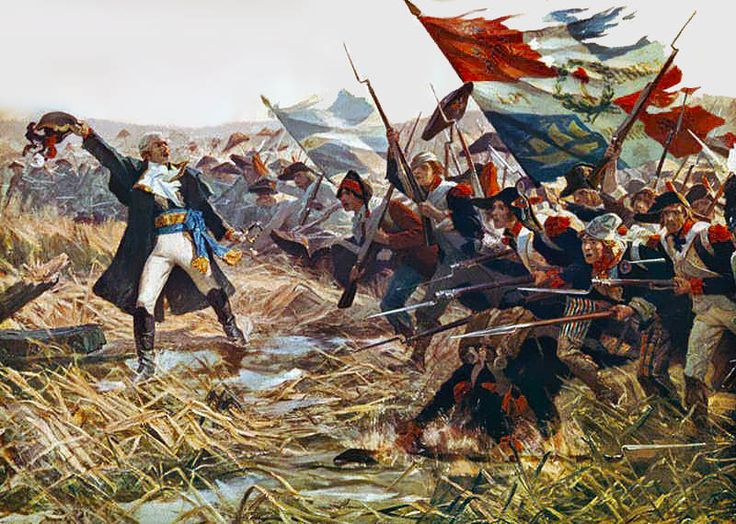
The French Revolutionary Army was born out of the tumultuous years of the French Revolution, with the first armies being formed in 1792. These early forces were characterized by their revolutionary fervour, poor equipment, and large numbers, often clashing with the better-trained and better-equipped armies of European monarchies. Despite these challenges, the French armies persevered, with key figures such as Jean-Baptiste Jourdan and Jean Victor Marie Moreau playing crucial roles in the early campaigns. The turning point came with the introduction of the levy en masse, a conscription policy that dramatically increased the size and diversity of the army, laying the groundwork for its future successes.
⚔️ Transformation and Victories
The transformation of the French Revolutionary Army into a formidable force was largely due to the leadership of Napoleon Bonaparte, who rose through the ranks with his military genius and strategic vision. Napoleon's victories in Italy and Egypt not only expanded French territories but also brought much-needed discipline and organization to the army. The French Revolutionary Army's ability to adapt and innovate, embracing new tactics and technologies such as the artillery developments of Jean-Baptiste Gribeauval, was instrumental in its success. This period also saw the emergence of other notable generals, including André Masséna and Étienne Macdonald, who would go on to play significant roles in the army's future campaigns.
🌍 European Conquests and Legacy
The French Revolutionary Army's conquests across Europe were marked by both military brilliance and strategic diplomacy. The establishment of client republics in territories such as Italy and the Netherlands not only expanded French influence but also spread the ideals of the French Revolution. However, these conquests also came at a significant cost, with the army facing resistance and guerrilla warfare in many of the occupied territories. The legacy of the French Revolutionary Army can be seen in the modern armies of Europe, with many adopting similar organizational structures and tactical doctrines. The impact of the army's campaigns can also be seen in the redrawing of the European map, with the Congress of Vienna in 1815 attempting to restore the pre-Napoleonic order but ultimately failing to erase the changes brought about by the French Revolutionary Army.
🔥 Leadership and Notable Figures
The leadership of the French Revolutionary Army was a key factor in its success, with generals such as Napoleon Bonaparte, Jean-Baptiste Jourdan, and André Masséna leaving lasting legacies. These men, along with others like Jean Victor Marie Moreau and Étienne Macdonald, were not only skilled military commanders but also political figures who navigated the complex landscape of the French Revolution. Their stories, marked by both triumph and tragedy, continue to fascinate historians and the general public alike, offering insights into the human side of one of history's most pivotal conflicts.
Key Facts
- Year
- 1792-1802
- Origin
- France
- Category
- history
- Type
- organization
Frequently Asked Questions
What was the significance of the French Revolutionary Army in European history?
The French Revolutionary Army played a pivotal role in shaping European history, not only through its military conquests but also by spreading the ideals of the French Revolution. Its legacy can be seen in the modern armies of Europe and the redrawing of the European map. Key figures such as Napoleon Bonaparte and André Masséna were instrumental in this process, leading the army to numerous victories and establishing client republics across the continent.
Who were some of the notable leaders of the French Revolutionary Army?
Notable leaders of the French Revolutionary Army included Napoleon Bonaparte, Jean-Baptiste Jourdan, André Masséna, Jean Victor Marie Moreau, and Étienne Macdonald. These generals, along with others, were not only skilled military commanders but also political figures who navigated the complex landscape of the French Revolution, often leaving lasting legacies in European history.
What were some of the key battles and campaigns fought by the French Revolutionary Army?
The French Revolutionary Army fought in numerous key battles and campaigns, including the Battle of Valmy in 1792, Napoleon Bonaparte's Italian Campaign in 1796, and the Battle of Austerlitz in 1805. These military engagements, often marked by innovative tactics and strategic genius, were crucial in the army's transformation into a dominant force in Europe, with the support of French Republic and the opposition from European Coalition.
How did the French Revolutionary Army influence the development of modern warfare?
The French Revolutionary Army's emphasis on speed, maneuver, and combined arms, as well as its use of artillery and innovative tactics, influenced the development of modern warfare. The army's successes and failures also led to significant reforms in military organization, training, and logistics, with the introduction of the levy en masse being a pivotal moment. These developments, studied by military strategists such as Carl von Clausewitz, have had a lasting impact on military theory and practice, shaping the course of future conflicts and the evolution of modern armies.
What was the impact of the French Revolutionary Army on European society and politics?
The French Revolutionary Army had a profound impact on European society and politics, spreading the ideals of the French Revolution and establishing client republics across the continent. The army's conquests and the subsequent redrawing of the European map at the Congress of Vienna in 1815 had far-reaching consequences, shaping the course of European history for centuries to come. The legacy of the French Revolutionary Army can be seen in the modern nation-states of Europe, the European Union, and the ongoing debates about European identity and integration, with key figures such as Napoleon Bonaparte and Jean-Baptiste Jourdan continuing to influence European politics and society.