
Contents
Overview
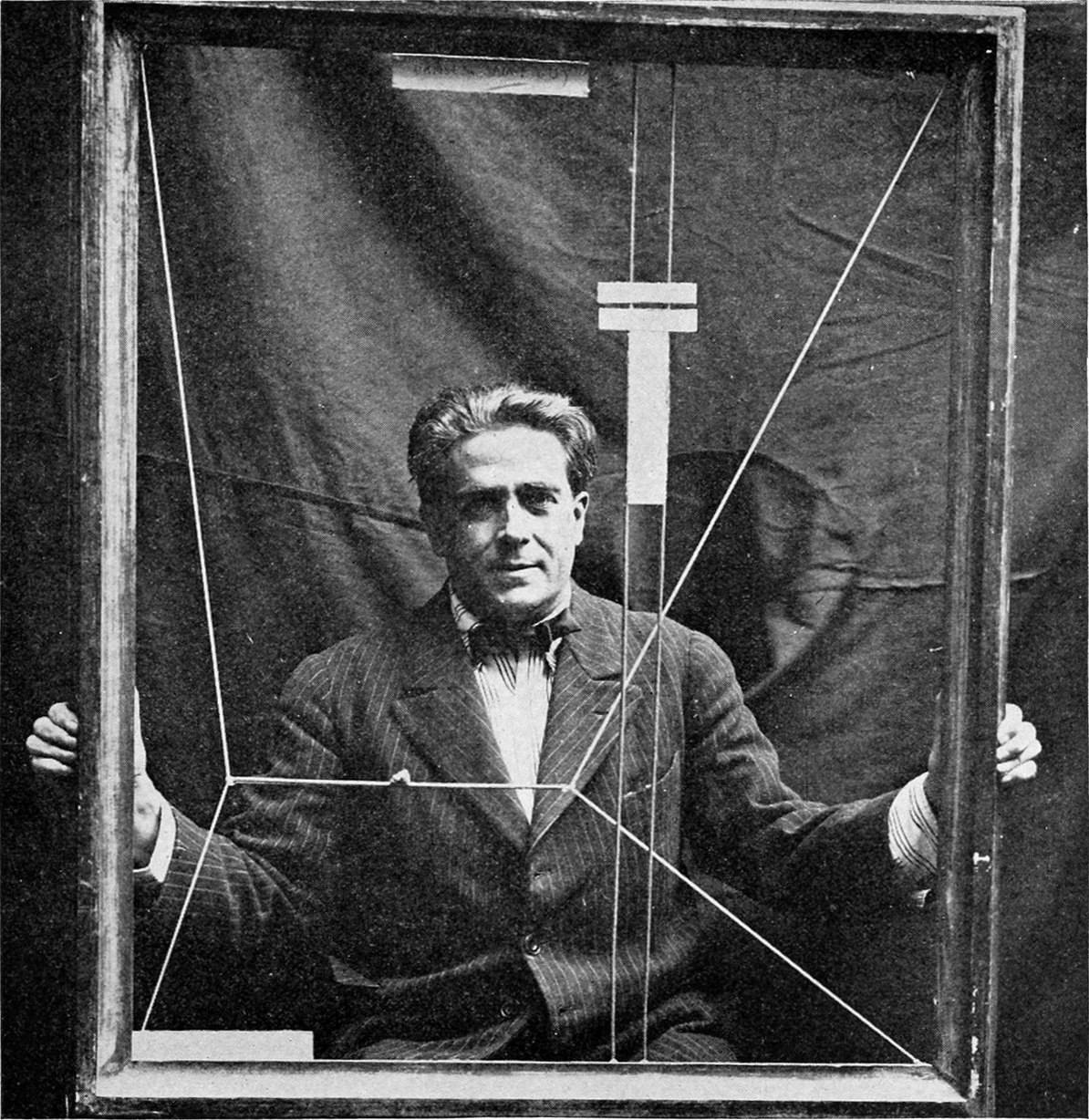
Francis Picabia was born on January 22, 1879, in Paris, France, to a wealthy family. His early artistic endeavors were influenced by Claude Monet and the Impressionist movement. However, Picabia soon became disillusioned with traditional art forms and began to experiment with Cubism, a style that would become a hallmark of his work. His association with Pablo Picasso and Georges Braque further solidified his position within the Cubist movement.
📚 Literary Pursuits and Dada
In the early 1910s, Picabia became a key figure in the Dada movement, which emphasized the rejection of traditional aesthetics and the embracing of chaos and randomness. His work during this period, characterized by its use of collage and assemblage, was heavily influenced by the ideas of Hugo Ball and Tristan Tzara. Picabia's magazine, 391, became a platform for Dada artists to showcase their work and challenge the status quo. Notable contributors included Guillaume Apollinaire and Salvador Dali.
🌍 Cultural Impact and Legacy
Picabia's cultural impact extends far beyond his own artistic output. His influence can be seen in the work of later artists, such as Andy Warhol and Jean-Michel Basquiat, who drew upon his experimental approach to art. The Museum of Modern Art in New York has an extensive collection of Picabia's work, including his seminal piece, The Procession, Seville.
🔮 Later Life and Surrealism
In his later years, Picabia became increasingly disillusioned with the art establishment and began to explore new styles, including Surrealism. Although his association with Andre Breton and the Surrealist movement was brief, it marked a significant turning point in his career. Picabia's work during this period, characterized by its use of dream-like imagery and fantastical creatures, was heavily influenced by the ideas of Sigmund Freud and the concept of the subconscious.
Key Facts
- Year
- 1879-1953
- Origin
- Paris, France
- Category
- culture
- Type
- person
Frequently Asked Questions
What was Francis Picabia's role in the Dada movement?
Francis Picabia was a key figure in the Dada movement, which emphasized the rejection of traditional aesthetics and the embracing of chaos and randomness. His work during this period, characterized by its use of collage and assemblage, was heavily influenced by the ideas of Hugo Ball and Tristan Tzara.
How did Picabia's work influence later artists?
Picabia's influence can be seen in the work of later artists, such as Andy Warhol and Jean-Michel Basquiat, who drew upon his experimental approach to art. The Museum of Modern Art in New York has an extensive collection of Picabia's work, including his seminal piece, The Procession, Seville.
What was Picabia's relationship with Surrealism?
Picabia's association with Andre Breton and the Surrealist movement was brief, but it marked a significant turning point in his career. His work during this period, characterized by its use of dream-like imagery and fantastical creatures, was heavily influenced by the ideas of Sigmund Freud and the concept of the subconscious.
How did Picabia's work challenge traditional aesthetics?
Picabia's work, particularly during the Dada period, challenged traditional aesthetics by embracing chaos and randomness. His use of collage and assemblage techniques, as well as his experimentation with Cubism, pushed the boundaries of what was considered 'art' at the time.
What is Picabia's legacy in the art world?
Picabia's legacy in the art world is that of a true innovator and pioneer. His experimental approach to art, as well as his association with the Dada and Surrealist movements, has inspired generations of artists to push the boundaries of what is possible. Today, his work can be found in museums and galleries around the world, including the Museum of Modern Art in New York.